Electrode Process Edition: Your Guide to Battery Manufacturing Fundamentals
Related Topics
Learn about electrode processes in battery manufacturing. From wet to dry processing methods, discover how electrode fabrication impacts battery performance and sustainability.
Follow us on
Battery technology doesn't exist in a vacuum—it's built on decades of electrochemical research and manufacturing innovation. We're seeing a growing interest in understanding the fundamentals of electrode processes, whether you're a student, engineer, or someone working in the energy storage industry. The knowledge behind how electrodes are made and function can make the difference between a battery that performs well and one that revolutionizes an application.
At Highstar, we work with both LFP batteries and ternary lithium batteries, so we've seen firsthand how electrode processing methods directly impact performance, cost, and environmental footprint. Let's walk through what you need to know about electrode processes and why they matter for modern battery technology.
What Are Electrode Processes?
Electrode processes encompass the electrochemical reactions occurring at electrode surfaces and the methods used to manufacture these components. Think of electrodes as the heart of any battery—they're where the chemistry happens that stores and releases energy.
A typical lithium-ion battery consists of a cathode, anode, current collectors, and a porous separator. During discharge, ions travel from the negative electrode through the separator to the positive electrode while electrons travel through an external circuit. Sound familiar? This is the basic dance that powers everything from your smartphone to electric vehicles.
The "edition" part often refers to educational resources—particularly textbooks and courses that teach these fundamentals. But we'll also cover how these principles translate to real-world manufacturing.
Traditional Wet Processing Methods
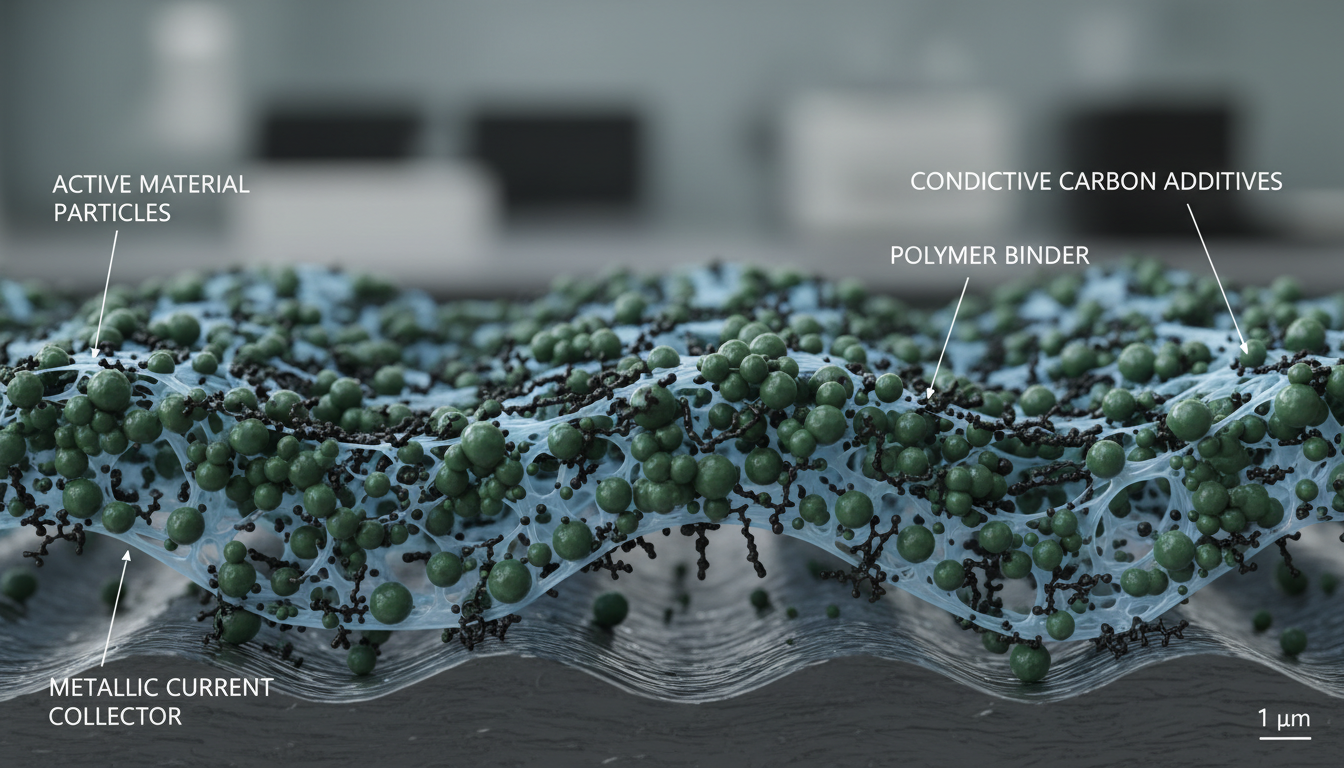
In traditional battery electrode preparation, a multi-phase slurry composed of active material, binder, and conductive additive is cast onto a substrate. An electrode disc can then be punched from the dried sheet. This wet slurry method has been the industry standard for years.
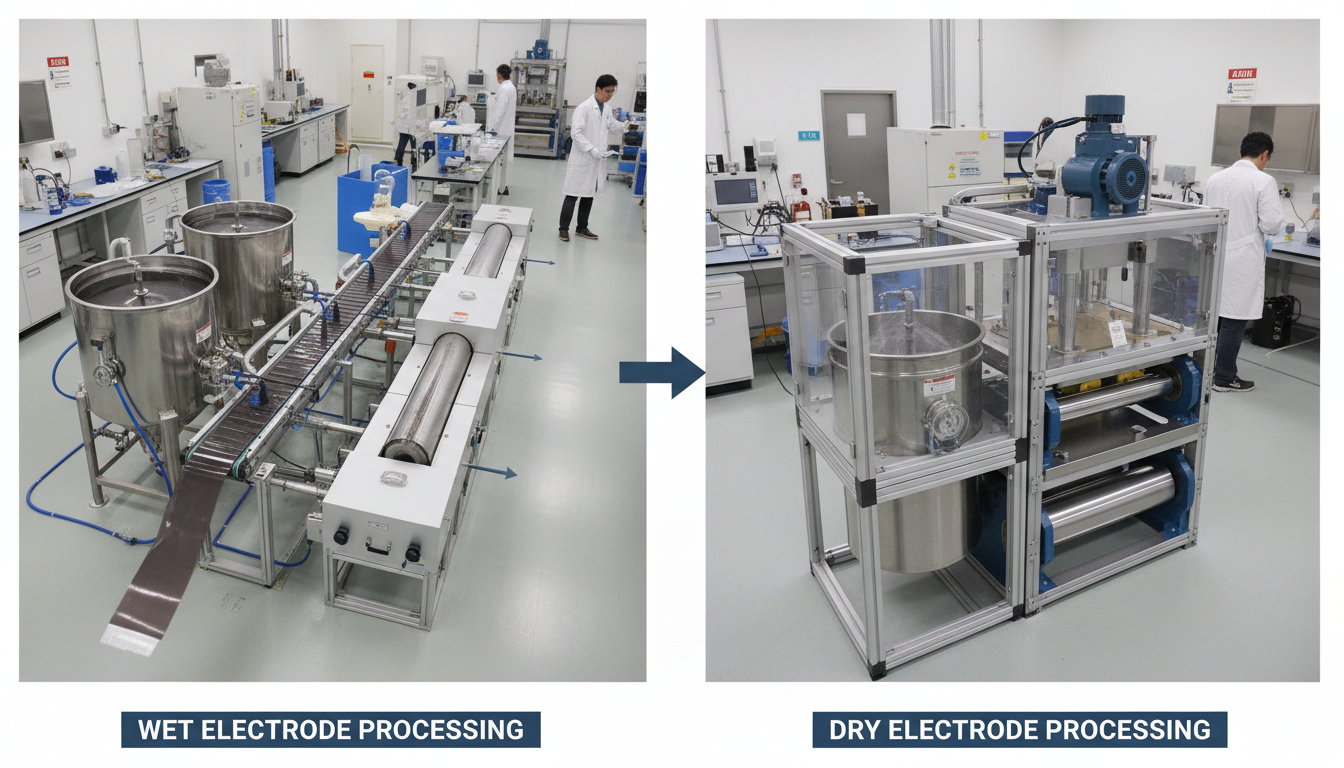
Wet processing has matured into a commonly employed industrial technique, but it faces problems including expensive and dangerous solvent recovery, cut-off waste, coating inconsistencies, and microstructural defects due to the solvent drying process. We're talking about significant challenges here—the N-methyl-2-pyrrolidone (NMP) solvent commonly used is both toxic and expensive to handle.
Electrode final properties depend on processing steps including mixing, casting, spreading, and solvent evaporation conditions. These steps directly affect the final properties of battery electrodes. Getting these parameters right requires both scientific knowledge and practical experience.
Dry Electrode Processing Revolution
Dry electrode processing is a manufacturing technique for lithium-ion batteries that eliminates the use of solvents such as NMP. This method bypasses the conventional wet slurry coating process, thereby removing the need for extensive drying stages. This isn't just a minor tweak—it's a game-changer for sustainability and cost reduction.
Dry processing can simplify the electrode manufacturing process with lower manufacturing costs (approximately 11.5% reduction) and energy consumption (more than 46% lower). Those numbers add up quickly when you're producing batteries at scale.
The dry processing strategy involves mixing dry powders with a binder, then compacting the material to improve contact between the particles. This strategy can be applied to both the anode and cathode. Companies like Tesla have started implementing dry electrode technology in their manufacturing, and the industry is watching closely.
Key benefits of dry processing:
Eliminates toxic solvents
Reduces energy consumption by over 46%
Lowers manufacturing costs
Creates more flexible and durable electrodes
Allows for thicker electrodes with higher energy density
How Processing Impacts Battery Performance
The vast applications of lithium-ion batteries are derived from innovation in electrochemistry and the technological advances in powder technologies for electrode processing. Revealing the effects of powder technology on electrode microstructure evolution during processing is critical to realize superior electrochemical performance.
We've tested this ourselves. When electrode processing is done right, you get better ion transport, lower resistance, and longer cycle life. When it's done poorly, you end up with dead zones in the electrode where active material can't participate in the chemistry.
Electrode coating is a critical step in battery manufacturing with impact on electrochemical performance and manufacturing cost. Currently, slurry preparation is made through a batch process and takes multiple hours, with batch-to-batch variation. Consistency matters—a lot.
Advanced Electrode Techniques
Beyond traditional wet and dry methods, researchers are exploring several cutting-edge approaches. Advanced electrode processing routes include radiation curing processing, advanced wet processing, and 3D-printing processing that could reduce energy usage and material waste. Maxwell-type dry processing is a scalable alternative with relatively low manufacturing cost and energy consumption.
3D printing for electrodes? It sounds futuristic, but it's happening now. These methods allow for custom electrode architectures that can be tailored for specific applications—whether that's maximizing power density for EVs or optimizing cycle life for grid storage.
How to Choose the Right Electrode Materials
Cathodes are the most important component in lithium-ion batteries. Technology updates focus on advanced battery materials, especially cathodes. At Highstar, we work extensively with both LFP and ternary lithium chemistries, each with different processing requirements.
LFP (lithium iron phosphate) tends to be more forgiving during processing and offers better thermal stability. Ternary materials (NCM or NCA) can achieve higher energy densities but require more careful handling during electrode fabrication to prevent degradation.
Conclusion
Understanding electrode processes—from the fundamental electrochemistry to the manufacturing methods—gives you a complete picture of what makes modern batteries tick. Whether you're studying these concepts from an educational "electrode process edition" textbook or implementing them in a production facility, the principles remain the same.
We're moving toward cleaner, more efficient processing methods that reduce costs and environmental impact without sacrificing performance. Dry electrode processing is leading that charge, but innovations in materials, automation, and quality control continue to push the boundaries of what's possible.
The battery industry is growing fast, and so is the need for people who understand these fundamentals. If you're diving into electrode processes, you're learning skills that will be in high demand for decades to come.
Frequently Asked Questions
What is the difference between wet and dry electrode processing?
Wet processing uses solvents like NMP to create a slurry that's coated onto current collectors and then dried. Dry processing eliminates solvents entirely, using methods like powder compaction or fibrillation to create electrodes. Dry processing reduces energy consumption by more than 46% and eliminates toxic solvent handling, making it more sustainable and cost-effective.
Why are electrode processes important for battery performance?
Electrode processing directly affects the microstructure of the finished electrode—including porosity, particle contact, and ion transport pathways. Poor processing can create areas where active material can't participate in charging and discharging, reducing capacity and cycle life. Proper processing methods maximize the utilization of expensive active materials and create more durable, higher-performing batteries.
What materials are used in lithium-ion battery electrodes?
Electrodes contain active materials (like LFP, NCM, or graphite), conductive additives (usually carbon black), and binders (typically PVDF or similar polymers) all coated onto metal current collectors. Cathodes typically use aluminum foil collectors while anodes use copper. The specific ratios and processing methods vary depending on the chemistry and application.
How does dry electrode processing reduce costs?
Dry processing eliminates the need for expensive solvent recovery systems, reduces energy consumption during manufacturing by over 46%, and allows for the creation of thicker electrodes with higher energy density. The equipment required is also simpler, and the process is faster since there's no drying stage. Combined, these factors can reduce electrode manufacturing costs by approximately 11.5%.
What skills do I need to work with electrode processes?
A solid foundation in electrochemistry, materials science, and chemical engineering helps tremendously. Understanding the relationship between processing parameters and electrode microstructure is key. Many professionals start with academic courses covering electrode processes fundamentals, then gain hands-on experience with slurry formulation, coating techniques, and characterization methods. Practical skills in process optimization and quality control are also valuable in industrial settings.
Highstar attaches great importance to your personal privacy. When you visit our website, please agree to the use of all cookies. More information about the processing of personal data can be found at "Privacy Policy"


 Buy
Buy