High-Ni NCMA: The Battery Technology Powering Tomorrow's Electric Vehicles
Related Topics
Discover High-Ni NCMA cathode technology from LG Energy Solution. Learn how this high-nickel material boosts EV battery energy density while reducing cobalt use.
Follow us on
Battery technology is racing forward, and if you drive an electric vehicle or care about what powers them, you'll want to know about High-Ni NCMA. This cathode material is LG Energy Solution's answer to one of the biggest challenges facing EV makers today: how do we pack more energy into batteries without breaking the bank or relying too heavily on expensive, controversial materials like cobalt?
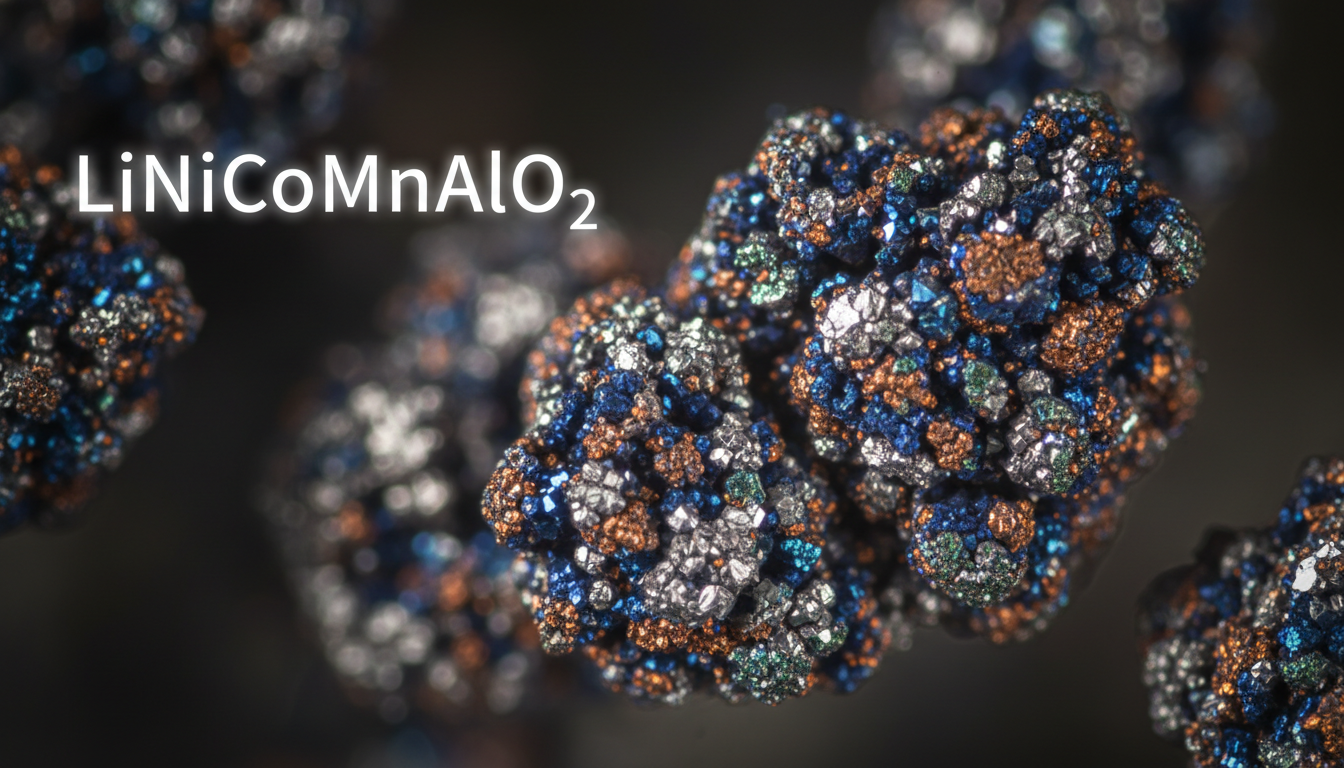
In the NCMA cathode, aluminum (Al) is added to NCM cathode that is made of nickel (Ni), cobalt (Co), and manganese (Mn). The technology represents a shift in how we think about battery chemistry, and it's already showing up in vehicles from GM, Tesla, and others. We're talking about a material that delivers high capacity, better stability, and lower costs—all at the same time.
What Makes NCMA Different
NCMA stands for Nickel-Cobalt-Manganese-Aluminum. It's what researchers call a "quaternary cathode material" because it brings together four metal elements instead of the three found in standard NCM batteries. NCMA cathode materials are products that integrate LG Chem's best material technologies and it is characterized by outstanding stability and output by applying aluminum that reinforced stability by expanding nickel content, which determines energy density, to around 90%.
The real game-changer here is aluminum. By adding this fourth element, LG Energy Solution solved a problem that's been bugging battery engineers for years. LG Chem developed NCMA, a quaternary cathode material that adds aluminium (Al) to the NCM composition. Aluminium enhances both safety and power. Think of aluminum as the stabilizer that lets you push nickel content higher without sacrificing the battery's lifespan or safety.
We've seen this play out in real-world applications. LG Chem plans to supply more than 950,000 tons of CAM to GM from 2022 through 2030, enough for approximately 5 million EVs. That's not a small pilot program—that's mass production at scale. Companies like Highstar are also advancing ternary lithium solutions that complement this high-nickel trend.
Why Nickel Content Matters for EV Range
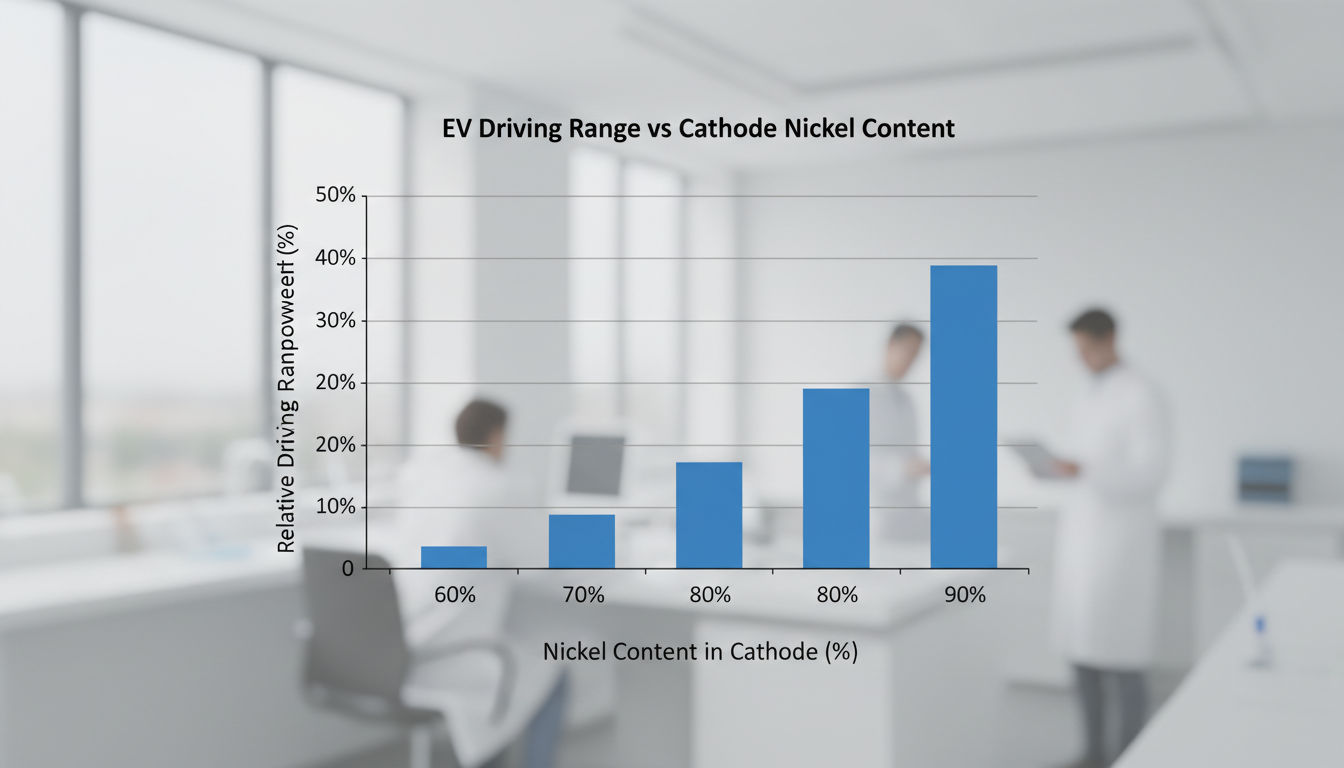
Nickel's role is to raise battery capacity and energy density while cobalt and manganese improve safety. More nickel means more lithium ions can be stored and released during charging and discharging. An EV's driving range increases by 10 km with every 1 percentage point increase in battery nickel content, according to industry officials.
The math is pretty straightforward. If you're comparing an 80% nickel battery to a 90% nickel battery, you're looking at roughly 100 km of extra range—that's about 62 miles. For drivers worried about running out of juice on long trips, that difference is huge.
The NCMA cathode material has about 85% nickel content and only 5% of cobalt, plus about 5% of manganese and 5% of aluminum. Some formulations push even higher. LG's new NCMA (nickel, cobalt, manganese, aluminum) reportedly use a 90% nickel cathode – reducing the use of cobalt. That's a 70% reduction in cobalt compared to older battery designs, which matters both for cost and for ethics—cobalt mining has long been controversial.
How NCMA Balances Performance and Safety
Here's where things get interesting. You can't just dump more nickel into a battery and call it a day. High nickel content brings challenges. High Ni content can accelerate capacity fading and thermal degradation. That's where aluminum steps in.
Aluminium does not take part in the electrochemical reaction and does not contribute to capacity. The role of Aluminium is to stabilise the cathode. Aluminium oxide present in the cathode is not affected and contributes to the stability of the cathode. It's like adding a structural beam to a building—it doesn't make the building taller, but it keeps everything standing strong through stress.
Research shows NCMA performs better over time than its predecessors. NCA and NMC show only 68.2 % and 60.2% capacity after 1000 cycles, whereas NMCA yields 84.5%. This is a remarkable difference and should be one reason for choosing NMCA over the other two. That kind of longevity means your EV battery pack will degrade slower, holding its charge better year after year.
Real-World Applications and Industry Adoption
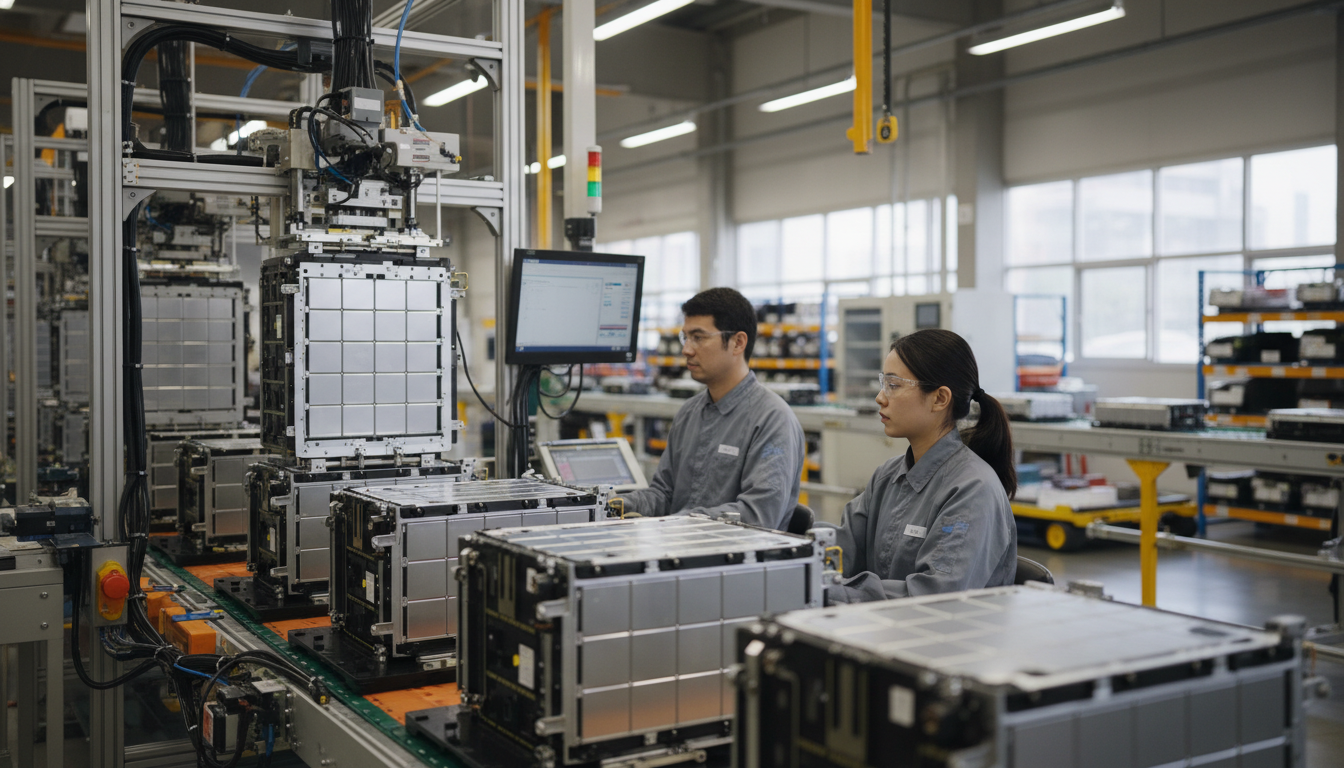
NCMA isn't just a lab concept. From July LG Chem's LG Energy Solution will supply Tesla in China with lithium-ion cells with the new NCMA cathode material (lithium nickel cobalt manganese aluminum). They will replace the NCM 811 chemistry to increase energy density. Tesla's Model Y vehicles built in China use NCMA cells, and GM's Ultium platform—powering vehicles like the GMC Hummer EV—relies on this chemistry.
The cathode materials that LG Chem plans to supply are NCMA (nickel, cobalt, manganese and aluminum) cathode materials for EVs built on GM's Ultium Platform. NCMA cathode material is a product that combines LG Chem's best material technology and is characterized by its excellent stability and output. The Ultium Cells joint venture between GM and LG Energy Solution has battery plants in Warren, Ohio; Spring Hill, Tennessee; and Lansing, Michigan, all producing NCMA-based battery cells.
Look at what's happening beyond passenger vehicles. Energy storage systems need batteries that can handle thousands of charge cycles without significant degradation. NCMA's stability makes it a solid candidate for grid storage applications, where reliability over 10-20 years matters more than squeezing out every last mile of range.
Conclusion
High-Ni NCMA represents a smart evolution in battery chemistry. By adding aluminum to high-nickel cathode materials, LG Energy Solution created a formulation that delivers the energy density EVs need while maintaining the stability and cycle life that makes batteries practical over their lifetime. With 85-90% nickel content and only 5% cobalt, NCMA batteries offer 100+ km more range than previous generation materials while cutting cobalt use by 70%.
The technology is already powering millions of vehicles through partnerships with Tesla, GM, and other automakers. As the industry pushes toward even higher nickel content and explores cobalt-free variants, we'll likely see NCMA and its descendants become the dominant chemistry for long-range electric vehicles. The race to 400+ Wh/kg energy density is on, and high-nickel quaternary cathodes are leading the charge.
FAQs
What does NCMA stand for in battery technology?
NCMA stands for Nickel-Cobalt-Manganese-Aluminum. It's a quaternary cathode material used in lithium-ion batteries that combines four metal elements. The aluminum addition allows for higher nickel content (85-90%) while maintaining structural stability. LG Energy Solution developed this chemistry to achieve higher energy density and lower cobalt usage compared to traditional NCM batteries.
How does NCMA improve EV battery performance?
NCMA improves performance by increasing nickel content to 85-90%, which directly boosts energy density and driving range. Studies show each 1% increase in nickel adds roughly 10 km of range. The aluminum component stabilizes the cathode structure, allowing batteries to maintain 84.5% capacity after 1000 cycles compared to 60-68% for older NCM and NCA chemistries. This means longer-lasting batteries with better range retention over time.
Why is reducing cobalt content in batteries significant?
Cobalt is expensive and its mining involves ethical concerns around labor practices and environmental impact. NCMA reduces cobalt content by 70% compared to earlier battery designs—down to just 5% of the cathode material. This cuts costs, reduces supply chain risks since cobalt sources are geographically concentrated, and addresses sustainability concerns. Lower cobalt use makes EVs more affordable while maintaining high performance.
Which electric vehicles currently use NCMA batteries?
Tesla's Model Y vehicles manufactured in China use LG Energy Solution's NCMA cells. GM's Ultium platform, which powers the GMC Hummer EV and other electric vehicles, relies on NCMA cathode chemistry supplied by LG Chem. The technology is being scaled up rapidly, with LG Chem contracted to supply enough cathode material for approximately 5 million EVs through 2030 for GM alone.
What's the next step beyond NCMA in battery technology?
The industry is pushing toward even higher nickel content—some manufacturers are developing 95-97% nickel cathodes. Research is also focused on cobalt-free NCMA variants and single-crystal cathode structures that offer better structural stability. These advances aim to reach 400+ Wh/kg energy density while further reducing costs and improving cycle life. Some companies are also exploring high-voltage NCMA formulations for 800V EV architectures that enable faster charging.
Highstar attaches great importance to your personal privacy. When you visit our website, please agree to the use of all cookies. More information about the processing of personal data can be found at "Privacy Policy"


 Buy
Buy