Lithium Metal Battery: What You Need to Know About Next-Gen Energy Storage
Related Topics
Discover how lithium metal batteries differ from lithium-ion, their higher energy density, safety challenges, and the latest breakthroughs in solid-state technology for 2026.
Follow us on
Lithium metal batteries are getting serious attention right now. And honestly, it makes sense. We're looking at a technology that could pack way more energy into a smaller space than what's in your phone or electric car today. But here's the thing—while lithium metal batteries sound like the next big leap, they're not quite ready to replace lithium-ion batteries just yet.
Let's break down what makes lithium metal batteries different, why they matter, and what challenges we're still working through. Whether you're curious about electric vehicles, battery innovation, or just want to know what all the buzz is about, we'll walk you through it.
What Makes a Lithium Metal Battery Different
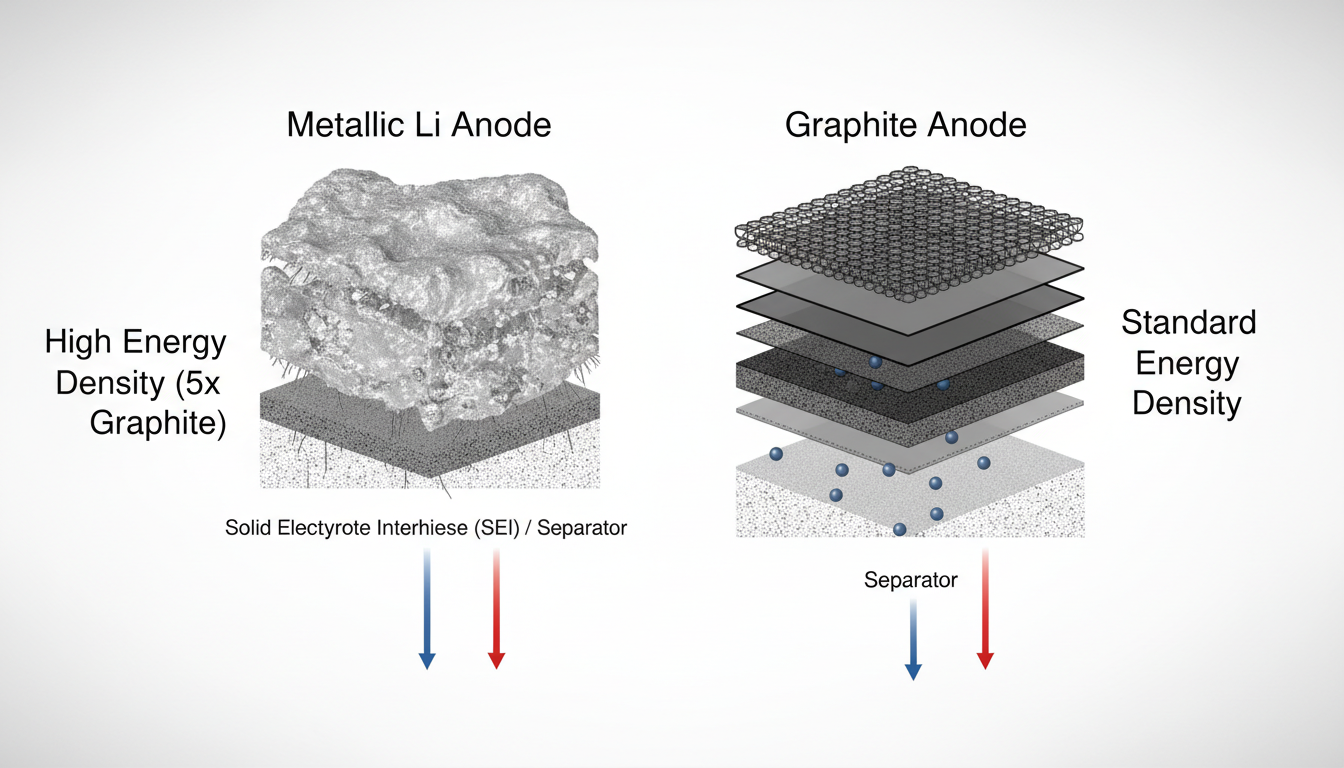
Lithium metal batteries are nonrechargeable primary batteries that have metallic lithium as an anode. That's the big difference right there—they use pure lithium metal, not graphite like lithium-ion batteries do. The high specific capacity of lithium metal (3,860 mAh g−1), very low redox potential (−3.040 V versus standard hydrogen electrode) and low density (0.59 g cm−3) make it the ideal negative material for high energy density battery technologies.
But most lithium metal batteries you'll find today are disposable. Think hearing aids, watches, or medical devices like pacemakers. Although most lithium metal batteries are non-rechargeable, rechargeable lithium metal batteries are also under development. And that's where things get exciting—researchers are racing to create rechargeable versions that could change how we power everything from smartphones to electric vehicles.
At Highstar, we've been closely tracking these developments in battery technology, especially as the market shifts toward higher energy density solutions like our ternary lithium batteries and advanced cell designs.
Energy Density: The Real Advantage
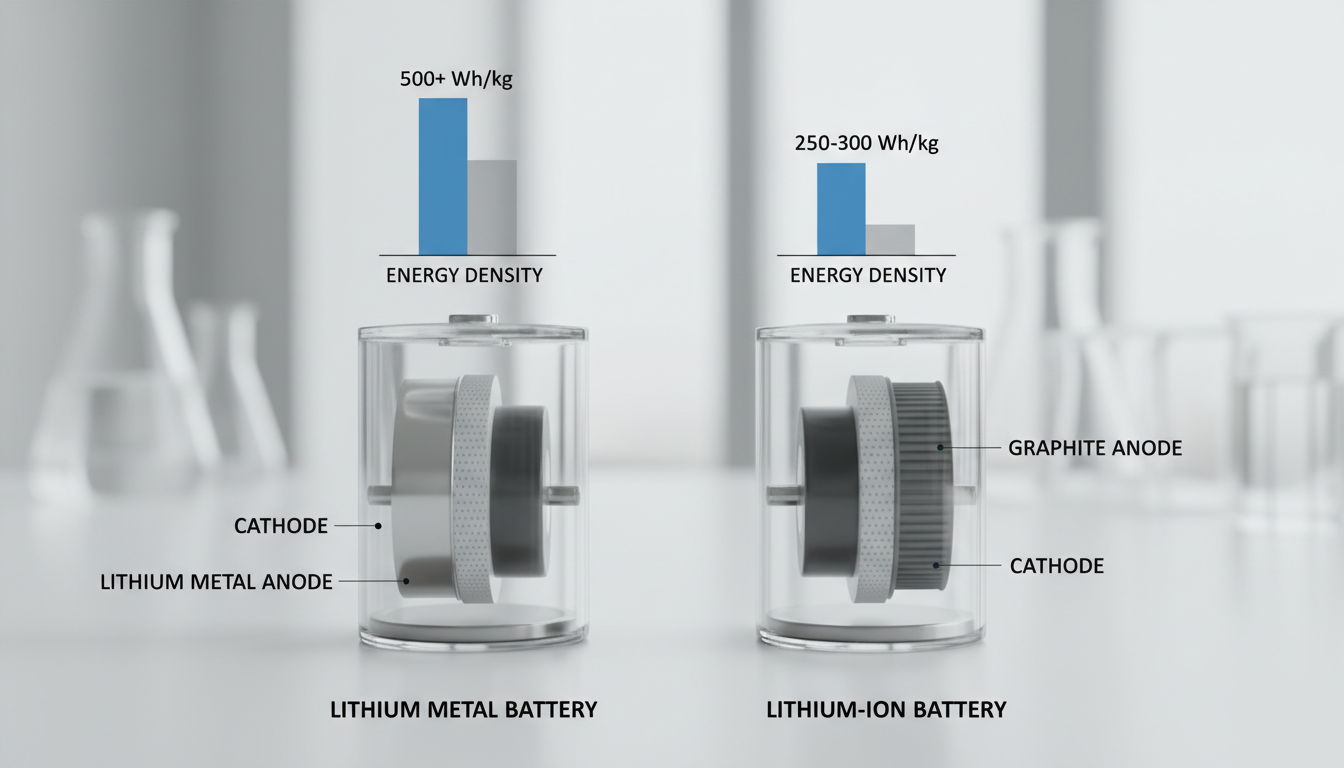
Here's why people get excited about lithium metal batteries: energy density. Lithium metal anodes offer a tenfold increase in energy density compared to graphite used in today's lithium-ion anodes. Translation? More power in less space, lighter batteries, and devices that could run longer on a single charge.
Lithium-metal batteries offer exceptional energy density, exceeding 500 Wh/kg, while lithium-ion batteries typically achieve around 100-270 Wh/kg. That's a huge gap. For electric vehicles, that could mean driving farther without stopping to recharge. For drones or aerospace applications, it means carrying less weight while maintaining performance.
But hold on—there's a catch. Higher energy density doesn't automatically mean better batteries if they can't be recharged safely or last through enough cycles to be practical.
The Dendrite Problem
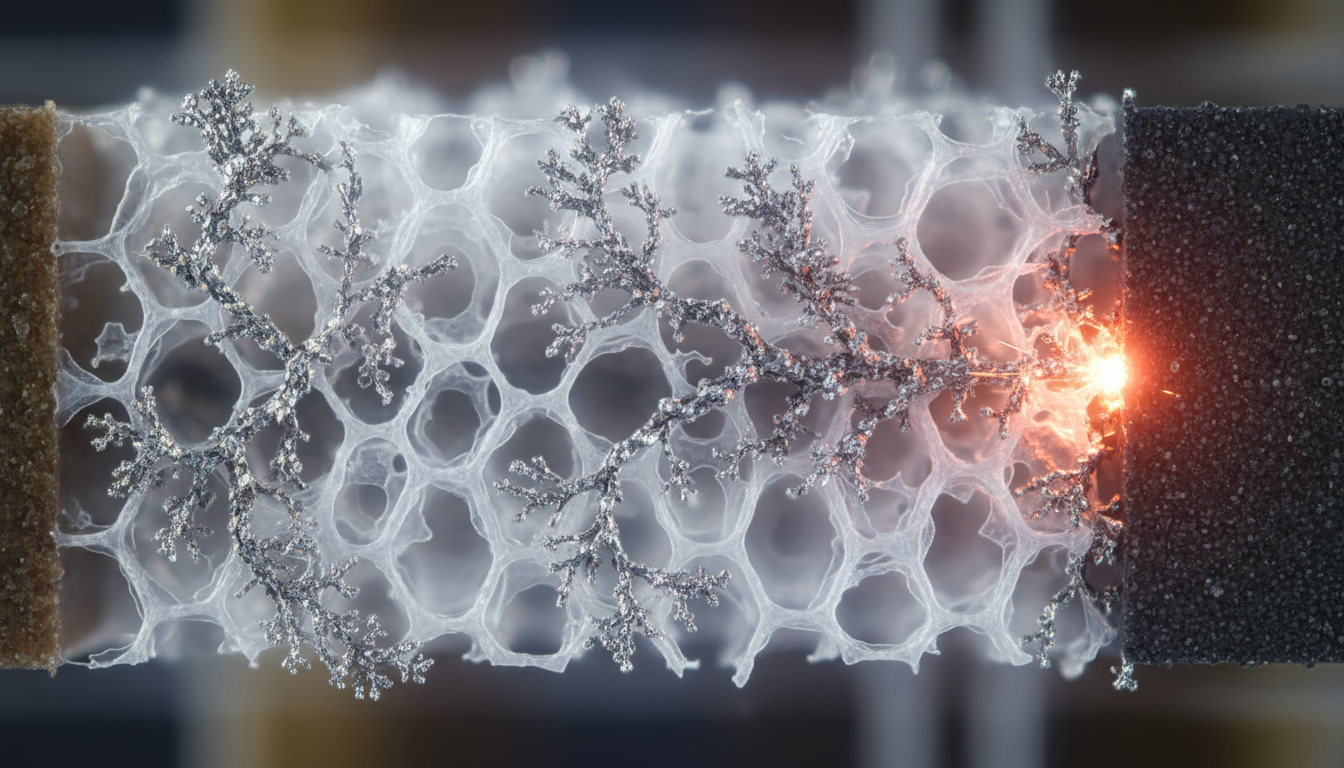
This is the part that keeps battery researchers up at night. Lithium dendrites are microscopic, tree-like structures that form when lithium deposits unevenly on the battery's anode during charge cycles. These tiny metal whiskers can grow until they pierce the separator between the anode and cathode, causing a short circuit.
Why dendrites form:
Uneven lithium plating during charging
High charging currents
Imperfections in the solid electrolyte interface (SEI)
Temperature fluctuations
The primary challenges in developing practical rechargeable lithium metal batteries are low cell life due to low Coulombic efficiency, and poor reliability due to dendrite formation causing a short-circuit. And when a battery short-circuits, you're looking at overheating, fires, or worse. Sound scary? It can be, which is why safety has been the biggest hurdle to commercializing rechargeable lithium metal batteries.
Researchers have been testing everything from protective coatings to special electrolytes to keep dendrites in check. Some promising work involves applying external pressure, using solid-state electrolytes, or even adding thin silver coatings to strengthen the battery's internal structure.
Solid-State Batteries: A Game Changer?
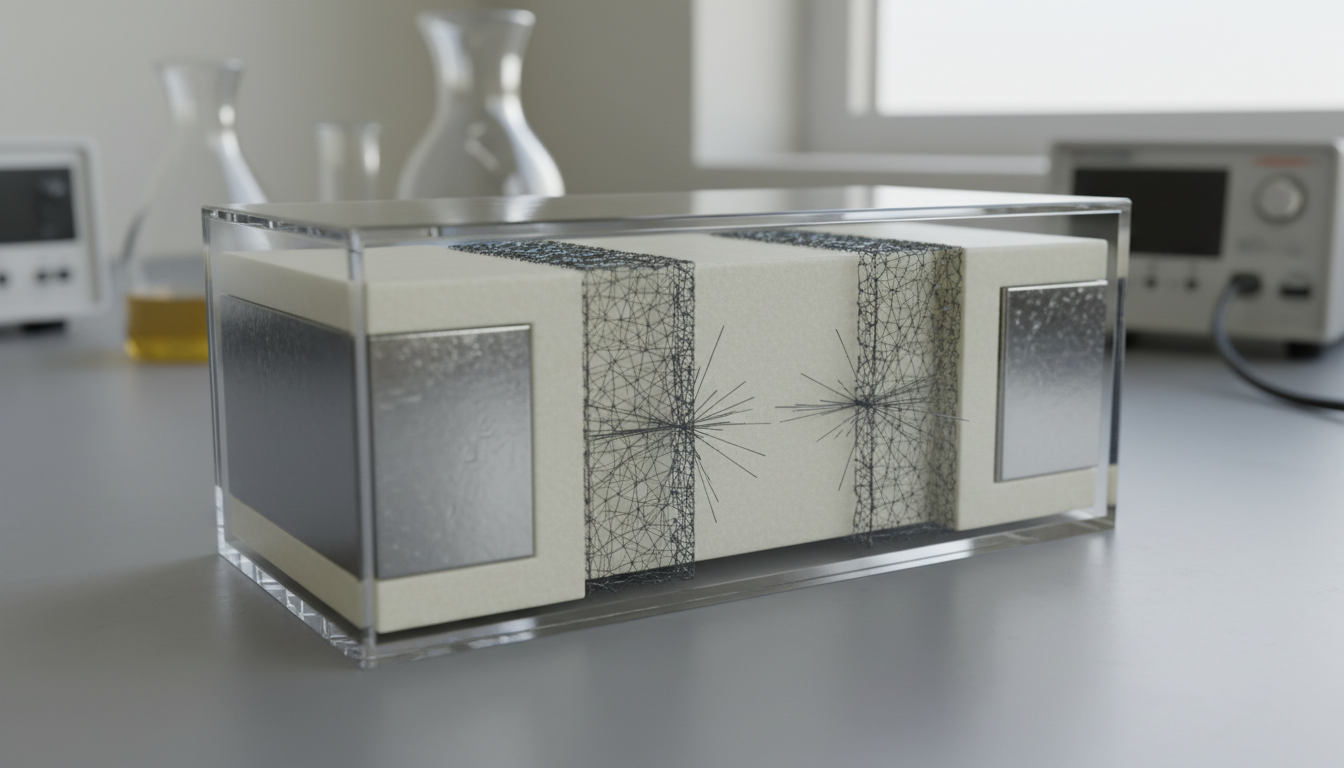
A solid – rather than liquid – electrolyte between the opposite electrodes of a battery should, in theory, enable a rechargeable lithium metal battery that is safer, packs much more energy, and charges considerably faster than the lithium-ion batteries commercially available today. That's the promise of solid-state technology, and it's where a lot of research dollars are flowing right now.
The idea is simple: replace the flammable liquid electrolyte with a solid ceramic or polymer material. This should block dendrite growth and reduce fire risk. In early 2026, researchers created an ultrathin silver coating for solid electrolytes that increases resistance to cracking, and this coating toughens the surface of the electrolyte fivefold against fracturing from mechanical pressure.
Li and his team have designed a stable, lithium-metal, solid-state battery that can be charged and discharged at least 10,000 times — far more cycles than have been previously demonstrated — at a high current density. These kinds of breakthroughs suggest we're getting closer to batteries that could last 10 to 15 years in an electric vehicle without replacement.
If you're interested in related advances, our work on lithium-sulfur battery technology explores another promising pathway for next-generation energy storage.
Current Applications and Limitations
Where lithium metal batteries shine today:
Medical implants (pacemakers, defibrillators)
Low-power IoT devices
Military and aerospace systems
Backup power for critical electronics
Lithium batteries find application in many long-life, critical devices, such as pacemakers and other implantable electronic medical devices. These devices use specialized lithium-iodide batteries designed to last 15 or more years. In these applications, the long shelf life and high energy density outweigh the fact that they can't be recharged.
But for everyday consumer electronics and electric vehicles, lithium-ion batteries excel in rechargeability, with over 1,000 cycles, making them ideal for applications like laptops and medical devices. Until rechargeable lithium metal batteries can match that cycle life safely, lithium-ion will keep dominating the market.
Safety Considerations
Lithium metal batteries can be susceptible to thermal runaway and explosion if damaged or overheated, as metallic lithium is highly reactive. Pure lithium reacts violently with water and even moisture in the air, which is why handling and shipping these batteries requires special precautions.
Since 2007, Dangerous Goods Regulations differentiate between lithium metal batteries (UN 3090) and lithium-ion batteries (UN 3480). If you've ever wondered why airlines have strict rules about batteries, this is part of the reason. The reactivity of lithium metal adds layers of complexity to manufacturing, storage, and transport.
That said, researchers are making progress. New electrolyte formulations, protective coatings, and advanced battery management systems are all helping to reduce safety risks. We're not there yet, but the gap is closing.
What's Next for Lithium Metal Batteries
Look, we're probably still a few years away from seeing rechargeable lithium metal batteries in your next smartphone or electric car. Several companies and many academic research groups are currently researching and developing rechargeable lithium metal batteries as they are considered a leading pathway for development beyond lithium-ion batteries.
The recent advances in solid-state electrolytes, dendrite suppression techniques, and manufacturing processes are all moving in the right direction. Companies are building pilot production lines, and some automakers have announced plans to adopt solid-state batteries by 2026 or 2027.
Will lithium metal batteries completely replace lithium-ion? Maybe not completely, but they'll likely find their place in applications where high energy density and safety matter most—think long-range electric vehicles, aviation, and grid storage.
Conclusion
Lithium metal batteries represent one of the most promising paths toward higher-energy, faster-charging batteries. Their ability to store significantly more energy than lithium-ion batteries makes them attractive for everything from electric vehicles to medical devices. But challenges around dendrite formation, safety, and cycle life have kept them from widespread commercial use—at least for now.
The good news? Recent breakthroughs in solid-state electrolytes, protective coatings, and manufacturing techniques suggest we're getting closer. While we wait for rechargeable lithium metal batteries to mature, lithium-ion technology continues to evolve and improve. And honestly, both technologies will probably coexist, each serving different needs based on performance, cost, and safety requirements.
At Highstar, we're committed to staying at the forefront of battery innovation, from advanced cell technologies to next-generation energy storage solutions. The future of batteries is looking brighter—and more energetic—than ever.
FAQs
What's the main difference between lithium metal and lithium-ion batteries?
The key difference is the anode material. Lithium metal batteries use pure metallic lithium as the anode, while lithium-ion batteries use graphite. This gives lithium metal batteries much higher energy density—often 10 times more capacity per gram. However, most lithium metal batteries are non-rechargeable, whereas lithium-ion batteries are designed for thousands of charge cycles.
Are lithium metal batteries safe?
Non-rechargeable lithium metal batteries used in devices like watches and medical implants are generally safe when used properly. However, rechargeable lithium metal batteries face safety challenges due to dendrite formation, which can cause short circuits and fires. Researchers are developing solid-state electrolytes and protective coatings to address these issues, but the technology isn't yet as safe or proven as lithium-ion for widespread consumer use.
When will rechargeable lithium metal batteries be available?
Some companies and automakers are targeting 2026-2027 for initial commercial releases, particularly in electric vehicles using solid-state technology. However, widespread availability will depend on overcoming manufacturing challenges, reducing costs, and proving long-term reliability. For now, rechargeable lithium metal batteries remain largely in research and pilot production stages.
What are lithium dendrites and why do they matter?
Lithium dendrites are tiny, needle-like metal structures that grow on the battery's anode during charging when lithium deposits unevenly. They can pierce the separator between electrodes, causing dangerous short circuits. Preventing dendrite formation is one of the biggest challenges in making rechargeable lithium metal batteries safe and reliable for everyday use.
Can lithium metal batteries replace lithium-ion batteries completely?
Probably not completely, at least not in the near future. Lithium metal batteries excel in energy density but face challenges with rechargeability, cycle life, and cost. They'll likely find their place in applications requiring maximum energy storage—like long-range EVs or aerospace—while lithium-ion continues to serve most consumer electronics and standard electric vehicles. Both technologies will likely coexist, each optimized for different use cases.
Highstar attaches great importance to your personal privacy. When you visit our website, please agree to the use of all cookies. More information about the processing of personal data can be found at "Privacy Policy"


 Buy
Buy