Micro Silicon Anode Material: The Next Generation of High-Performance Battery Technology
Related Topics
Discover how micro silicon anode material is transforming lithium-ion battery performance with 10x higher capacity than graphite while solving commercialization challenges.
Follow us on
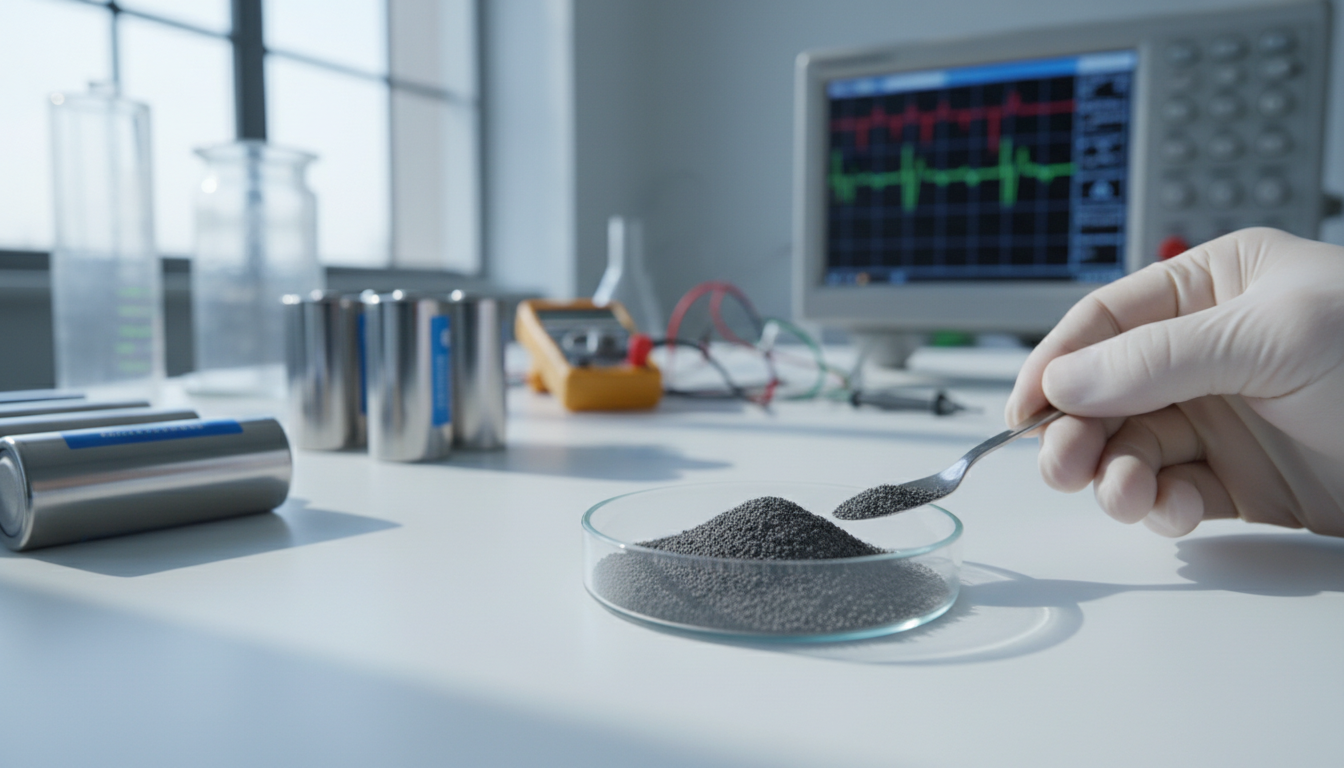
ALTProfessional laboratory photograph of micro silicon anode material powder in a glass container with lithium-ion battery cells and technical measurement equipment in the background
Lithium-ion batteries power everything from your smartphone to electric vehicles, but there's a material that's about to change the game. We're talking about micro silicon anode material—a technology that promises to deliver dramatically more energy while keeping costs manageable for mass production.
For years, researchers have known silicon could theoretically store 10 times more lithium ions than the graphite used in today's batteries. But here's the catch: silicon expands up to 300% when charged, causing batteries to fail quickly. That's where micro-sized silicon particles come in. They offer a sweet spot between performance and practicality that could finally make silicon anodes viable for commercial use.
What Makes Micro Silicon Different from Nano Silicon
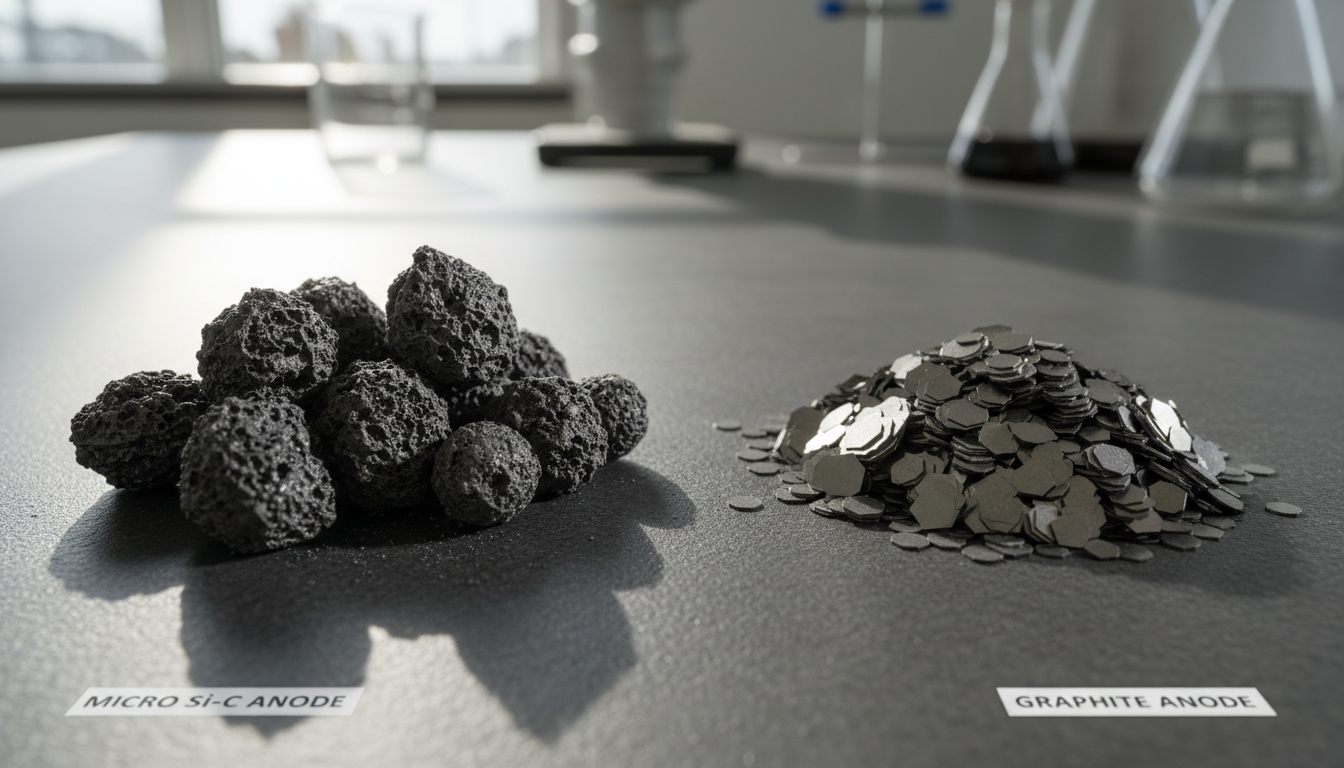
Both nano and micro silicon can store way more energy than graphite. Silicon has a theoretical capacity of around 3,600-4,200 mAh/g, compared to graphite's measly 372 mAh/g. That's not just better—it's transformational.
But nano silicon has some serious drawbacks. The tiny particles have huge surface areas that react with the electrolyte, consuming lithium and forming thick layers that reduce efficiency. Manufacturing nano silicon also costs significantly more and creates materials with low tap density, which means you can't pack much into a battery cell.
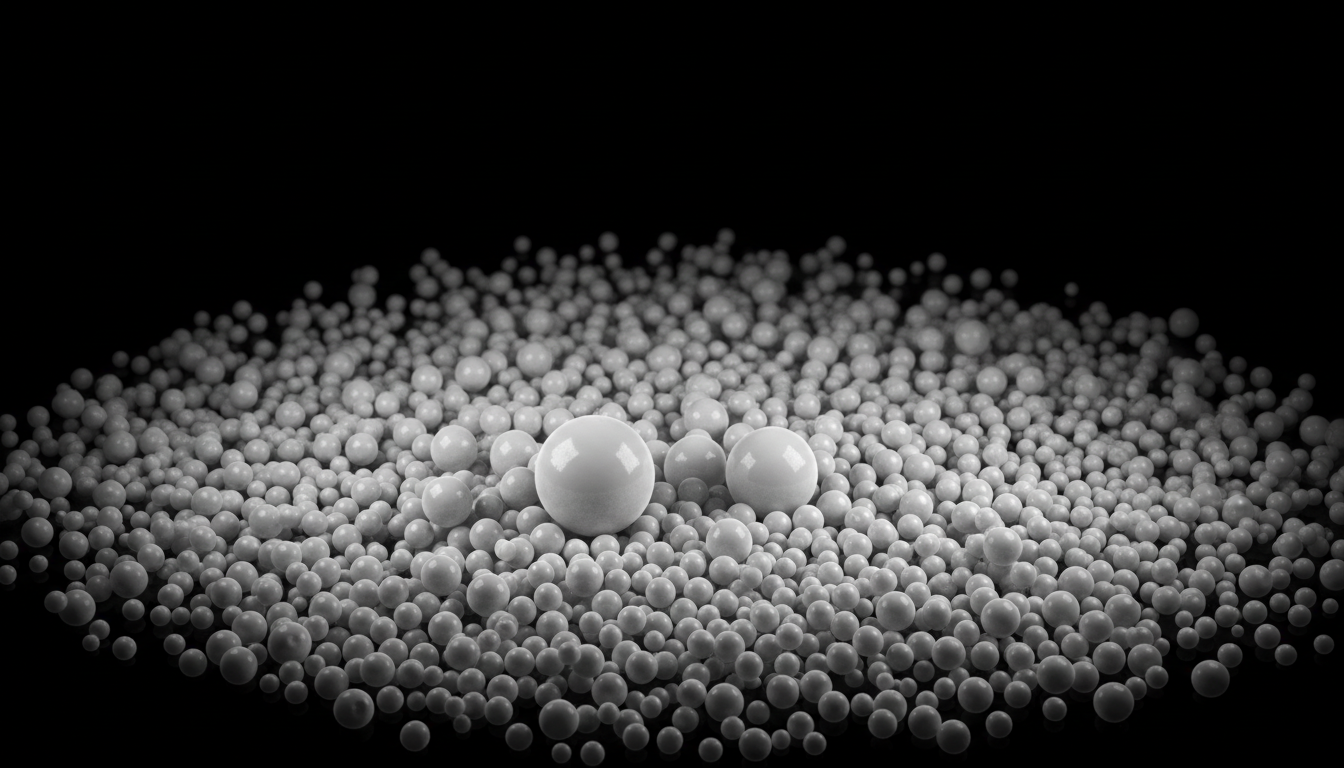
Micro silicon particles—typically ranging from 1 to 5 micrometers—solve many of these problems. They're cheaper to produce using existing manufacturing processes. The smaller surface area means less unwanted reactions with the electrolyte. And you can pack more material into the same space, boosting the volumetric energy density that matters for real-world applications.
Research shows that particle size plays a huge role in how silicon anodes behave during charging and discharging. Nano and micro silicon undergo similar phase transitions, but their mechanical behaviors differ significantly. The key is finding the right size and structure to balance performance with durability.
How Volume Expansion Challenges Get Solved
Let's be honest—volume expansion is still the biggest headache with silicon anodes. When lithium ions flood into silicon during charging, the material swells dramatically. This causes cracks, breaks electrical connections, and destroys the protective layer on the particle surface.
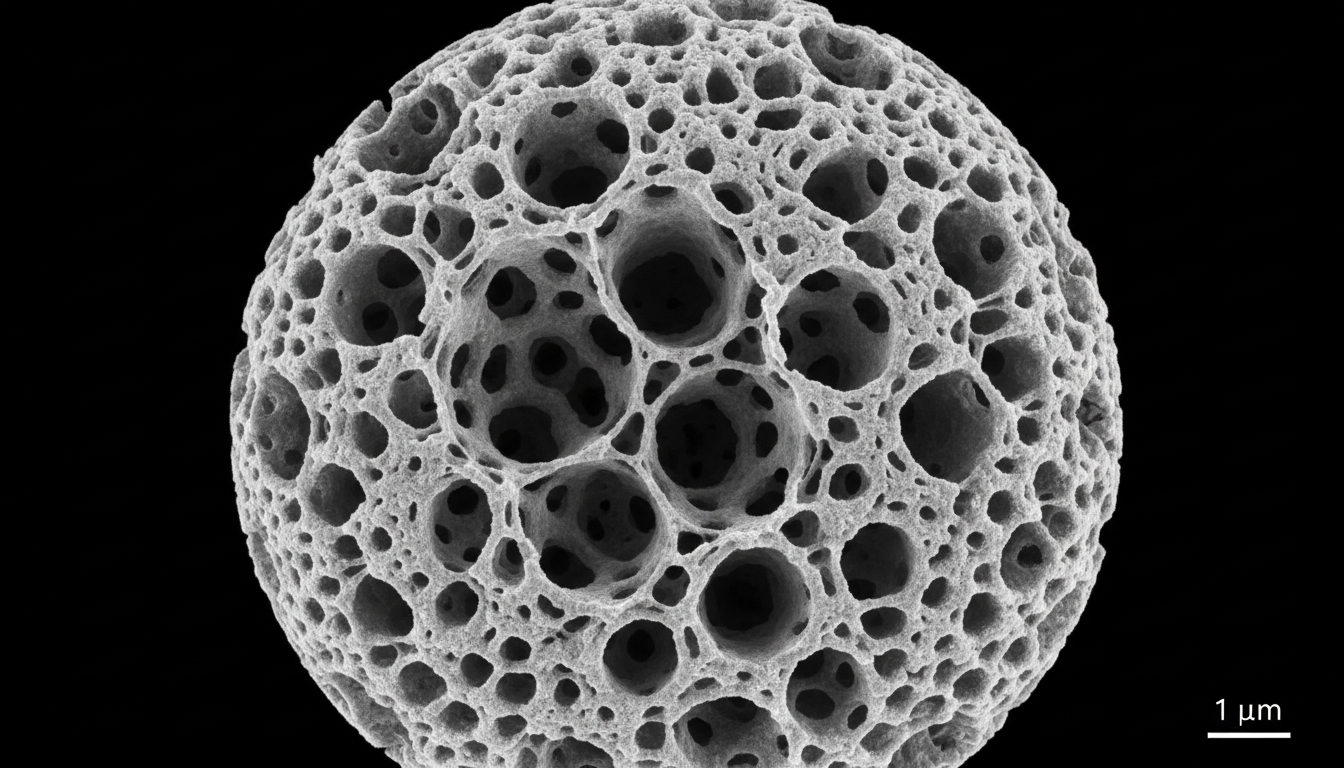
For micro silicon, researchers have developed several clever strategies. Porous structures create internal space for expansion, so the outer dimensions stay more stable. Think of it like a sponge that can compress and expand without changing its overall shape much.
Carbon coating is another popular approach. We've seen ternary lithium materials benefit from similar surface treatments, and the principle works here too. A carbon shell provides mechanical support, maintains electrical connections even when silicon cracks inside, and creates a stable interface with the electrolyte.
Some teams are getting creative with composite structures that embed silicon particles in carbon matrices with built-in void spaces. After 50-100 cycles, these materials show expansion rates as low as 9-27%, compared to much higher rates for unprotected silicon.
The trick isn't eliminating expansion entirely—that's probably impossible. It's about managing it so the battery keeps working cycle after cycle.
Performance Metrics That Actually Matter
So how good are micro silicon anodes in practice? Pretty impressive, actually. Micro-sized silicon anodes can deliver capacities above 2,000 mAh/g with good cycle life—far exceeding graphite's 372 mAh/g ceiling.
Energy density improvements translate to real benefits. Batteries with silicon anodes can achieve 20% higher energy density initially, with some companies targeting 50% improvements in future generations. For an electric vehicle, that could mean 160 kilometers more range without increasing battery pack size or weight.
Charging speed is another win. Silicon doesn't just hold more lithium—it can move lithium ions faster than graphite. Some micro silicon anodes have demonstrated charging to 80% capacity in 10 minutes, which is getting close to the refueling speed of gasoline vehicles.
Cycle life has been the sticking point, but it's improving rapidly. Early silicon anodes failed after just 10-50 cycles. Modern micro silicon designs with proper engineering can last 250-1,000+ cycles while maintaining over 80% of their initial capacity. That's not quite as good as graphite's 1,000+ cycle life, but it's getting close enough for many applications.
Here's where micro silicon really shines: manufacturability. Unlike nano silicon, which requires complex synthesis methods and specialized equipment, micro silicon can be produced using relatively straightforward processes.
Metal-assisted chemical etching is one popular method. You start with inexpensive bulk silicon—even recycled silicon from the photovoltaic industry works—and etch it to create porosity. The process is scalable and doesn't require exotic equipment.
Ball milling offers another route. High-energy milling can produce micro silicon particles with controlled size distributions. When combined with carbon coating or composite formation, you get a material that looks and behaves like the graphite powder battery manufacturers already use.
That last point is huge. Several companies are designing silicon materials as "drop-in" replacements for graphite. Battery factories wouldn't need to change their production lines—they'd just swap materials. This dramatically lowers the barrier to adoption.
Wet chemical processes for coating silicon with carbon use readily available, low-cost precursors. The etching agents can be recovered and reused, minimizing waste. These are exactly the kinds of practical considerations that determine whether a technology makes it from lab to market.
The economics are compelling too. While pure silicon anodes cost more than graphite today, the gap is closing. At scale, silicon might eventually become cheaper per unit of energy stored. Being the second most abundant element in Earth's crust helps—unlike graphite, which is mostly processed in one country, silicon resources are globally distributed.
Electrolyte Engineering for Better Interface
The interface between silicon and the electrolyte is where a lot of the magic—or failure—happens. When silicon expands and contracts, it constantly breaks and reforms the solid electrolyte interphase (SEI) layer on its surface. This consumes lithium, increases resistance, and ultimately kills the battery.
Recent work on electrolyte additives has shown promising results. Specialized formulations can create SEI layers that are more flexible, more ionically conductive, and better able to accommodate silicon's volume changes. Some additives help form inorganic-rich SEI layers containing compounds like lithium fluoride that provide better mechanical properties.
High-voltage electrolytes designed specifically for silicon anodes have demonstrated remarkable improvements. These electrolytes form "silicon-phobic" interfaces with weak bonding to lithium-silicon alloys, which sounds bad but is actually good—the layers can slide and adjust as silicon expands without cracking.
Localized high-concentration electrolytes (LHCE) represent another innovation. They deliver the benefits of concentrated electrolytes—like better SEI formation—while maintaining low viscosity for good ion transport. When paired with micro silicon anodes, LHCE can extend cycle life by 50% or more.
The synergy between material design and electrolyte engineering is where we're seeing the biggest gains. A well-designed micro silicon particle with the right electrolyte can now achieve performance that was impossible just a few years ago.
Current Applications and Market Reality
Silicon anode technology isn't just lab research anymore—it's hitting the market. The first products using silicon anodes are wearables and consumer electronics where the premium price makes sense for the performance gain.
Several companies have shipped batteries with silicon-containing anodes to customers. These early products typically use blends of graphite with 5-10% silicon to boost capacity while maintaining good cycle life. Pure or high-silicon-content anodes are coming but aren't quite ready for mass market.
The automotive industry is where things get really interesting. Major automakers have announced plans to incorporate silicon anode technology in upcoming electric vehicle models. The promise of 20-40% higher energy density could enable 400+ mile range EVs at more affordable prices.
Companies are building gigawatt-scale production facilities specifically for silicon anode materials. These aren't pilot plants—they're commercial operations designed to supply batteries for millions of vehicles. The investment signals that silicon anodes have crossed the threshold from "interesting technology" to "viable product."
For grid storage and renewable energy applications, the longer cycle life requirements are tougher to meet. But as the technology matures, these markets will open up too. Our power battery solutions are evolving to incorporate next-generation anode materials as they prove their reliability.
Not everyone is using the same approach. Some companies focus on pure silicon with elaborate nanostructures. Others prefer micro silicon composites that trade some theoretical capacity for better durability and lower cost. Both paths are being pursued because different applications have different priorities.
Conclusion
Micro silicon anode material represents a practical path forward for significantly improving lithium-ion battery performance. By finding the sweet spot between nano silicon's impressive capacity and bulk silicon's low cost, micro-sized particles offer 5-10x the energy storage of graphite while remaining commercially viable.
The challenges of volume expansion haven't disappeared, but engineers have developed effective mitigation strategies through structural design, carbon composites, and electrolyte optimization. Current performance—over 2,000 mAh/g capacity with hundreds of charge cycles—is good enough for commercial products to reach market.
We're watching this technology transition from research to reality. The investments being made, the products being shipped, and the improvements in cycle life all point to micro silicon anodes playing a major role in the next generation of batteries. Whether you're interested in longer-lasting smartphones, longer-range electric vehicles, or more efficient grid storage, micro silicon anode materials are part of making those advances possible.
The path from lab discovery to widespread adoption is never straight, but for micro silicon anodes, the trajectory is clear. The technology works, the economics are improving, and the market is ready. What started as a materials science challenge is becoming a commercial reality that'll power the devices and vehicles of tomorrow.
FAQs
What is the main advantage of micro silicon anode material over graphite?
Micro silicon anode material can store approximately 10 times more lithium ions than graphite, with theoretical capacities around 3,600-4,200 mAh/g versus graphite's 372 mAh/g. This translates to batteries with 20-40% higher energy density, enabling longer-lasting devices and extended electric vehicle range without increasing battery size or weight.
Why is micro silicon preferred over nano silicon for commercial batteries?
Micro silicon particles offer several practical advantages for mass production. They cost less to manufacture, have smaller surface areas that reduce unwanted reactions with electrolytes, and provide higher tap density for better packing efficiency. While nano silicon has some performance advantages, micro silicon's balance of performance and manufacturability makes it more commercially viable.
How do manufacturers address the volume expansion problem in silicon anodes?
Engineers use multiple strategies including creating porous structures with internal space for expansion, coating particles with carbon shells that provide mechanical support, embedding silicon in composite matrices with buffer zones, and optimizing electrolyte formulations to create flexible protective layers. These combined approaches can reduce effective expansion from 300% to under 30%.
Are silicon anode batteries available for consumers yet?
Yes, silicon anode batteries have started reaching the market in consumer electronics and wearables. Most current products use blends of graphite with 5-10% silicon to boost performance while maintaining cycle life. Several automotive companies have announced plans to incorporate higher-silicon-content anodes in electric vehicles within the next few years as the technology matures.
What is the expected cycle life of micro silicon anode batteries?
Modern micro silicon anode designs can achieve 250-1,000+ charge cycles while retaining over 80% of initial capacity, depending on the specific material design and operating conditions. While this doesn't quite match graphite's typical 1,000+ cycle life yet, ongoing improvements in materials engineering and electrolyte optimization continue to extend the usable lifetime of silicon-based batteries.
Highstar attaches great importance to your personal privacy. When you visit our website, please agree to the use of all cookies. More information about the processing of personal data can be found at "Privacy Policy"


 Buy
Buy