Active Material: The Power Behind Battery Performance
Related Topics
Learn what active material is, how it powers lithium-ion batteries, and why choosing the right cathode and anode materials matters for energy storage performance.
Follow us on
If you've ever wondered what makes batteries tick, the answer lies in active material. These are the chemical substances that do the real work inside every battery cell—storing and releasing energy through electrochemical reactions. Without them, your phone, laptop, or electric vehicle wouldn't run for more than a few seconds.
We'll break down what active materials are, the different types you'll find in modern batteries, and why they matter for everything from consumer electronics to grid-scale energy storage.
What Is Active Material?
Active materials in battery production are the chemical substances involved in the electrochemical reactions within the battery, and they work by absorbing ions during charging and releasing them during discharge. Think of them as the heart of the battery—the part that actually stores the energy.
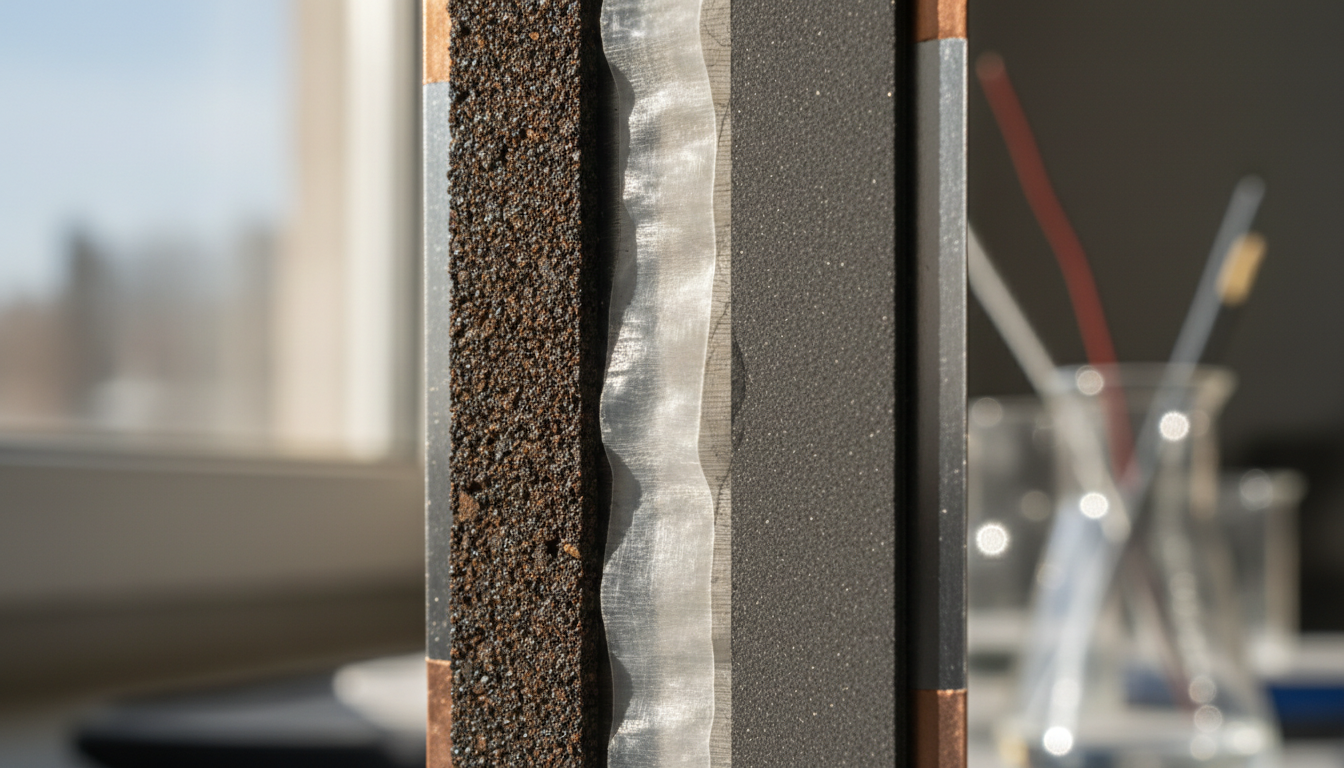
Active materials are the electrochemically active components that directly participate in the electrochemical reactions that make batteries functional. They sit inside both the cathode (positive electrode) and anode (negative electrode), and they're mixed with binders and conductive additives to form the electrode layers you'd see if you cracked open a battery cell.
The performance, lifespan, and safety of any battery depends heavily on which active materials the manufacturer chooses. Different materials offer different trade-offs between energy density, cost, charging speed, and cycle life.
Cathode Active Materials
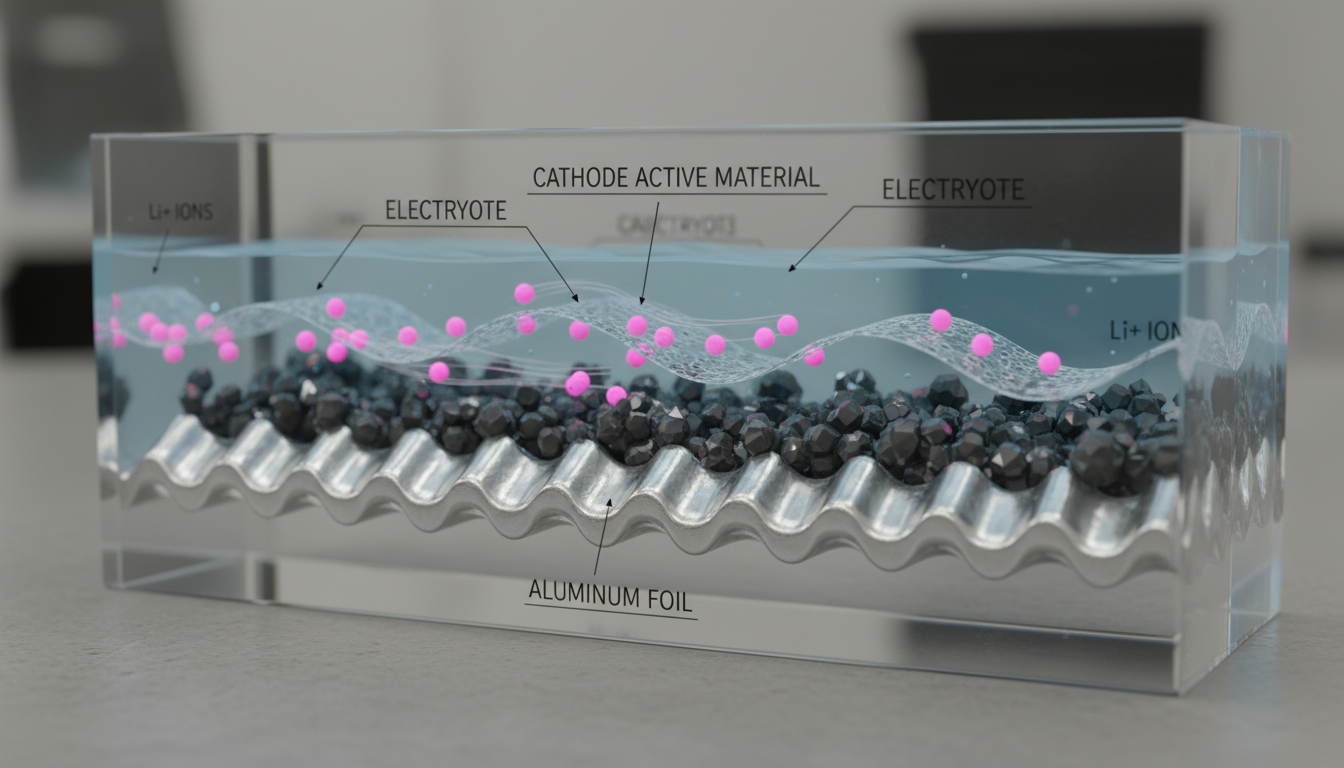
The cathode side of a lithium-ion battery uses metal oxide compounds as its active material. Cathode active materials are responsible for battery capacity and output, making them one of the most expensive components in the cell.
The most common cathode materials used in lithium-ion batteries include lithium cobalt oxide (LiCoO2), lithium manganese oxide (LiMn2O4), lithium iron phosphate (LiFePO4 or LFP), and lithium nickel manganese cobalt oxide (LiNiMnCoO2 or NMC). Each chemistry has its strengths. LCO offers high energy density but costs more and poses safety challenges. NMC balances energy, safety, and cost, making it popular in electric vehicles. LFP prioritizes safety and long cycle life, which is why it's widely used in stationary storage and some EVs.
At Highstar, we work with advanced cathode materials like ternary lithium compounds that push the boundaries of energy density and charging performance. The choice of cathode material can account for 30-40% of the total battery cell cost, so picking the right one matters both technically and economically.
Anode Active Materials
On the anode side, graphite is the most widely used ingredient for anode active materials since it offers stability when lithium ions travel back and forth during charge and discharge cycles. Graphite is affordable, conductive, and structurally stable—which is why it's been the go-to anode material for decades.
But graphite has limits. These days, energy-dense silicon is increasingly replacing graphite to improve the performance of the anode. Silicon can store more lithium ions per gram than graphite, but it also swells during charging, which can damage the electrode structure over time. That's why many manufacturers now use silicon-graphite blends to get better capacity without sacrificing durability.
Other anode materials include lithium titanate (LTO), which offers fast charging and long cycle life, though at the cost of lower energy density. We've also explored how CNT conductive materials can improve anode conductivity and performance, especially in high-power applications.
How Active Materials Are Made
Manufacturing active materials involves several steps. These synthesized materials are then ground into a fine powder and mixed with binders and solvents to create a 'slurry' ready for further processing. The slurry gets coated onto metal foils—aluminum for cathodes, copper for anodes—then dried and compressed.
The quality and consistency of this process directly affects battery performance. Poor particle size distribution, contamination, or improper mixing can lead to reduced capacity, shorter lifespan, or even safety issues. That's why manufacturers invest heavily in process control and material characterization.
Why Active Material Quality Matters
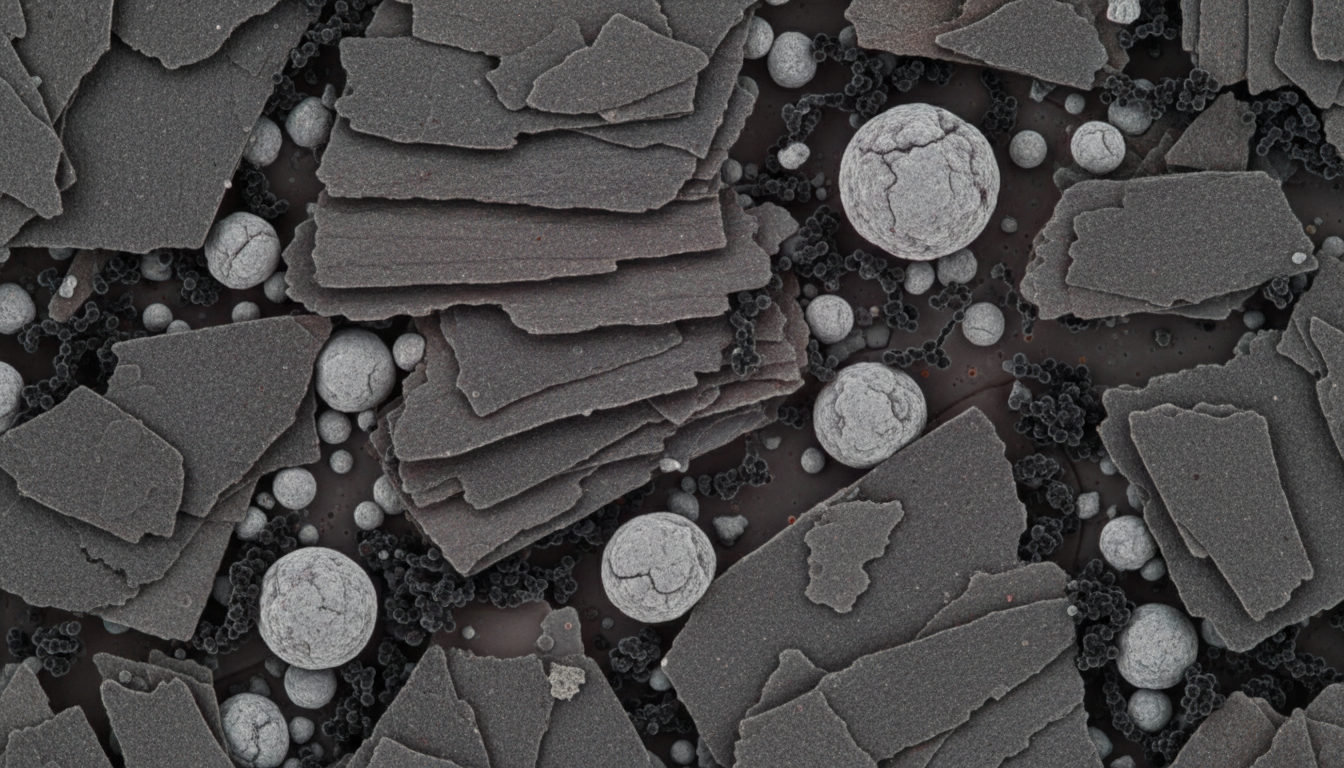
Not all active materials are created equal. Understanding the geometric attributes and the chemical and structural composition of these active materials is pivotal for optimal battery performance. Particle size, shape, porosity, and surface chemistry all play a role in how well the material performs.
Batteries with high-quality active materials charge faster, last longer, and operate more safely. Poor-quality materials can lead to capacity fade, internal resistance buildup, and in extreme cases, thermal runaway. This is why battery makers carefully qualify their material suppliers and run extensive testing before approving a new batch.
Conclusion
Active material is the foundation of battery technology. Whether it's the cathode active material determining capacity and voltage, or the anode active material enabling fast charging and long cycle life, these substances make energy storage possible. As battery demand grows for electric vehicles, renewable energy storage, and consumer electronics, the development of better, cheaper, and more sustainable active materials will be key to meeting global energy needs. Understanding what goes into these materials—and why certain chemistries work better for specific applications—helps us make smarter choices about the batteries we use every day.
FAQs
What's the difference between cathode and anode active materials?
Cathode active materials are metal oxides or phosphates that hold and release lithium ions at higher voltages, determining battery capacity and output. Anode active materials, typically carbon-based like graphite or silicon, store lithium ions at lower voltages. Together, they enable the electrochemical reactions that store and release energy during charge and discharge cycles.
Why is graphite the most common anode active material?
Graphite offers a winning combination of high electrical conductivity, low cost, structural stability, and good compatibility with lithium-ion battery chemistry. It can reversibly store lithium ions between its layered structure for thousands of cycles without degrading. While newer materials like silicon offer higher capacity, graphite remains the industry standard due to its reliability and affordability.
How do active materials affect battery cost?
Cathode active materials typically account for 30-40% of a lithium-ion battery cell's total cost, while anode materials represent about 10-15%. The choice of chemistry—whether it's expensive cobalt-rich NMC or more affordable LFP—directly impacts the final battery price. Material availability, processing complexity, and performance requirements all factor into cost.
Can active materials be recycled?
Yes, and recycling is becoming increasingly important. The valuable metals in cathode active materials—lithium, nickel, cobalt, and manganese—can be recovered from end-of-life batteries and manufacturing scrap. Advanced recycling processes can recover over 95% of these materials and reprocess them into new active materials, reducing mining needs and lowering environmental impact.
What determines which active material is best for an application?
It depends on what matters most for your use case. Electric vehicles prioritize energy density and fast charging, pointing toward high-nickel cathodes and silicon-graphite anodes. Grid storage systems value long cycle life and low cost, making LFP cathodes attractive. Portable electronics need high energy in small volumes, favoring materials like NMC or NCA. There's no one-size-fits-all answer.
Highstar attaches great importance to your personal privacy. When you visit our website, please agree to the use of all cookies. More information about the processing of personal data can be found at "Privacy Policy"


 Buy
Buy