All-Solid-State Battery: The Future of Energy Storage Explained
Related Topics
Discover how all-solid-state batteries work, their advantages over lithium-ion, and why they're set to transform electric vehicles and energy storage by 2027.
Follow us on
We're watching battery technology reach a turning point. All-solid-state batteries promise to solve some of the biggest problems facing electric vehicles and portable electronics today: limited range, slow charging, and safety concerns. But what makes these batteries different from the lithium-ion packs powering our devices right now?
Think of it this way—instead of using a liquid electrolyte like conventional batteries, all-solid-state batteries use solid materials. That one change opens the door to safer, more powerful, and longer-lasting energy storage. Companies like Toyota, BMW, and Honda are racing to bring this technology to market, with production timelines targeting 2027-2028.
In this guide, we'll break down how all-solid-state batteries work, their real-world benefits, the challenges manufacturers face, and what this means for the future of ternary lithium technology and beyond.
What Makes All-Solid-State Batteries Different
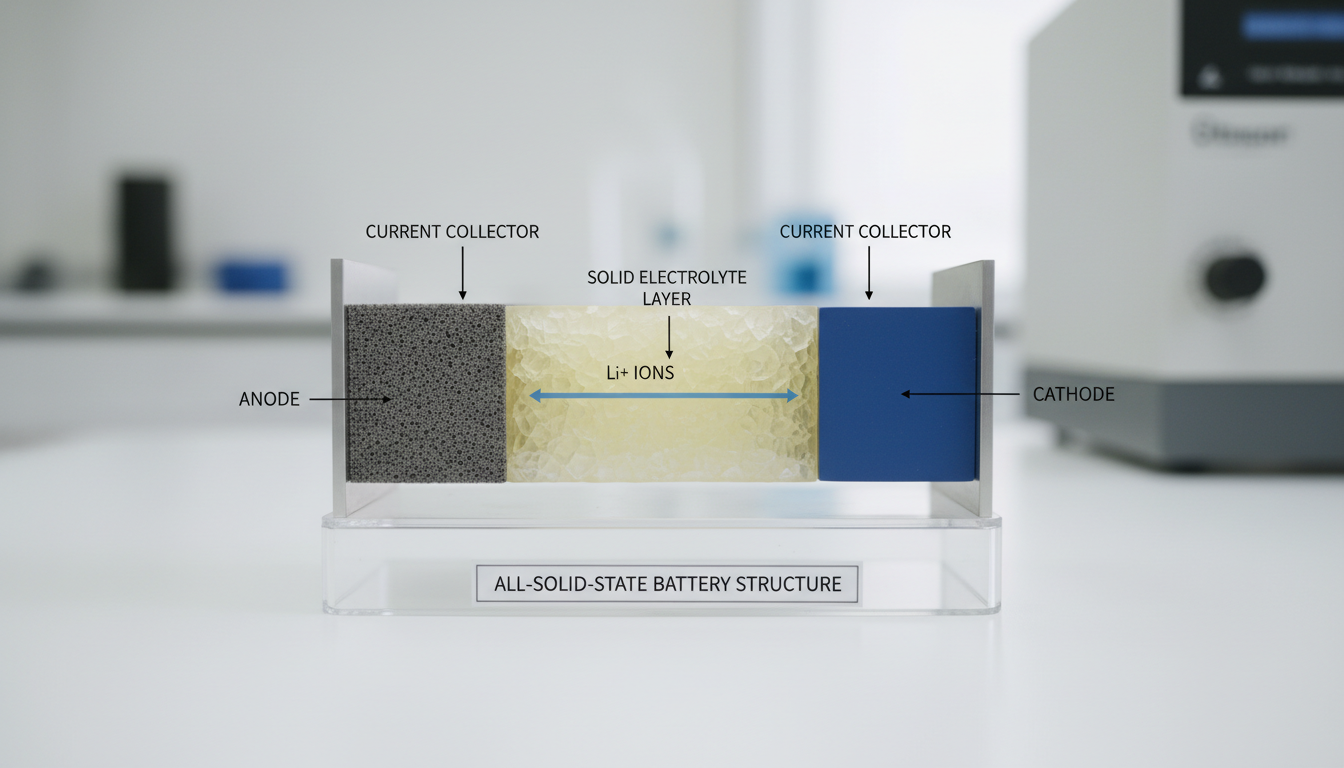
The name says it all. An all-solid-state battery uses a solid electrolyte to conduct ions between the electrodes, instead of the liquid or gel polymer electrolytes found in conventional batteries. That's the main difference.
Traditional lithium-ion batteries have three key parts: a graphite anode, a metal oxide cathode, and a liquid electrolyte that allows lithium ions to move back and forth. We also need a separator to keep the anode and cathode from touching.
Solid electrolytes currently being explored include ceramics, polymers, resins and glass composites. Each type has its own strengths. Ceramic electrolytes offer high ionic conductivity and stability. Polymer electrolytes provide flexibility. Sulfide-based materials show promise for faster ion transport.
Here's what changes when we go solid: There's no risk of electrolyte leakage, and since the solid electrolyte also serves as a separator, there's no physical contact between the cathode and anode. This design eliminates two major failure points in traditional batteries.
At Highstar, we're closely monitoring these developments because they'll reshape how we think about battery management systems and cell design.
Key Advantages Over Lithium-Ion Batteries
All-solid-state batteries aren't just different—they're better in several measurable ways.
Higher Energy Density
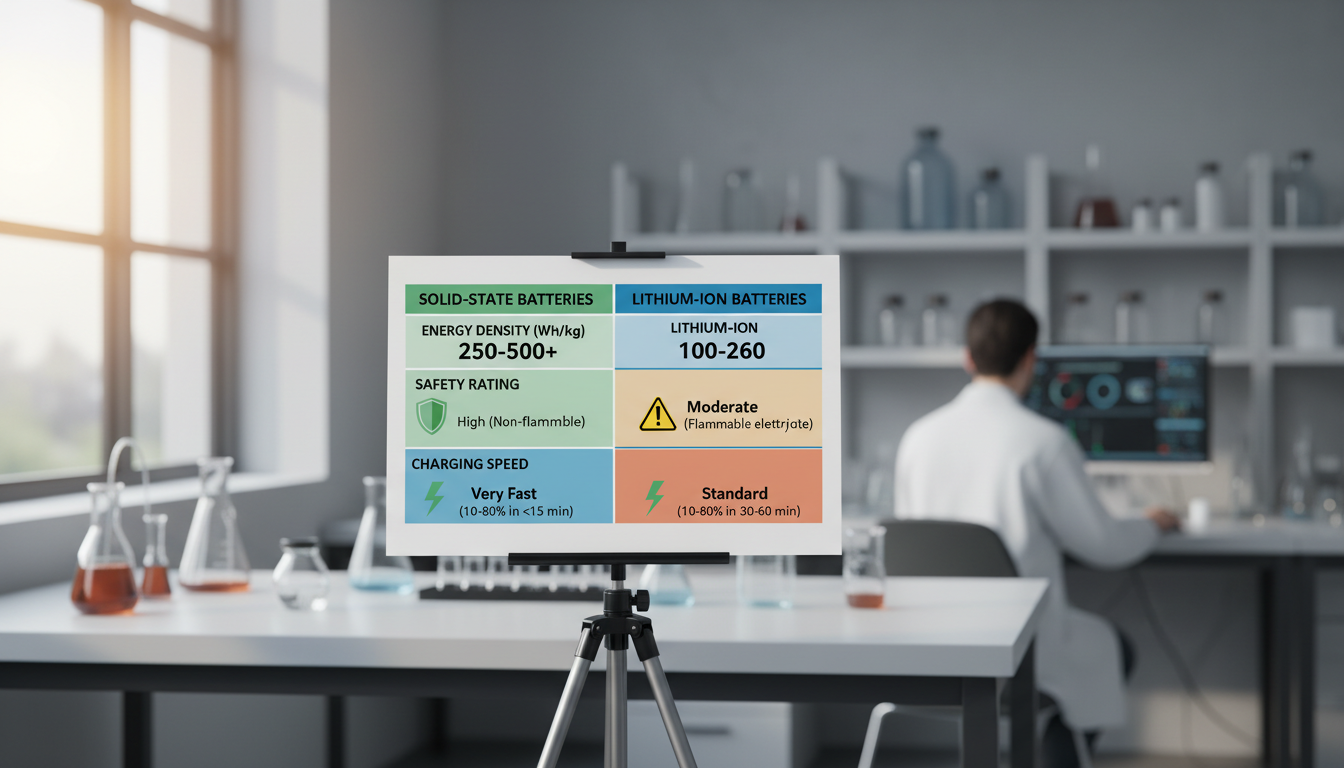
Theoretically, solid-state batteries offer much higher energy density than the typical lithium-ion or lithium polymer batteries. Current lithium-ion batteries in EVs deliver 160-250 Wh/kg. Thin-film solid-state types can reach 300-800 Wh/kg, while bulk types are around 250-500 Wh/kg.
What does this mean? A smaller, lighter battery pack that delivers the same or better range. Or the same size pack that goes much further.
Better Safety Profile
Safety concerns posed by lithium-ion batteries due to their flammable nature may be improved by all-solid-state batteries by reducing the risk of leakage, thermal runaway, and dendrite formation. The solid electrolyte won't catch fire like liquid electrolytes can. And there's no risk of leakage during operation.
Faster Charging Potential
Studies showed that solid-state batteries can charge up to six times faster than the traditional lithium-ion battery technology. While more testing is needed, early prototypes show charging from 10% to 80% in around 10-15 minutes.
Wider Operating Temperature Range
Solid-state batteries demonstrated a wide range of working temperature (-20 °C and 80 °C). They perform well in extreme cold and heat—conditions where liquid electrolyte batteries struggle.
How All-Solid-State Batteries Work
The basic principle is the same as any rechargeable battery. Lithium ions move from one electrode to another, storing and releasing energy.
During charging, lithium ions leave the cathode and travel through the solid electrolyte to the anode. Electrons flow through an external circuit. During discharge, the process reverses—ions move back to the cathode while electrons power your device or vehicle.
The solid electrolyte does two jobs at once. The solid electrolyte acts as an ideal separator that allows only lithium ions to pass through. This means we don't need the separate plastic separator used in liquid batteries.
Another big change: Solid-state batteries can use metallic lithium for the anode and oxides or sulfides for the cathode, thereby enhancing energy density. Lithium metal anodes store more energy than graphite anodes, but they've been too dangerous to use with liquid electrolytes. Solid electrolytes make them viable.
Current Challenges and Limitations
Look, we need to be honest about the obstacles. All-solid-state batteries aren't ready for mass production yet, and there are good reasons why.
Manufacturing Complexity
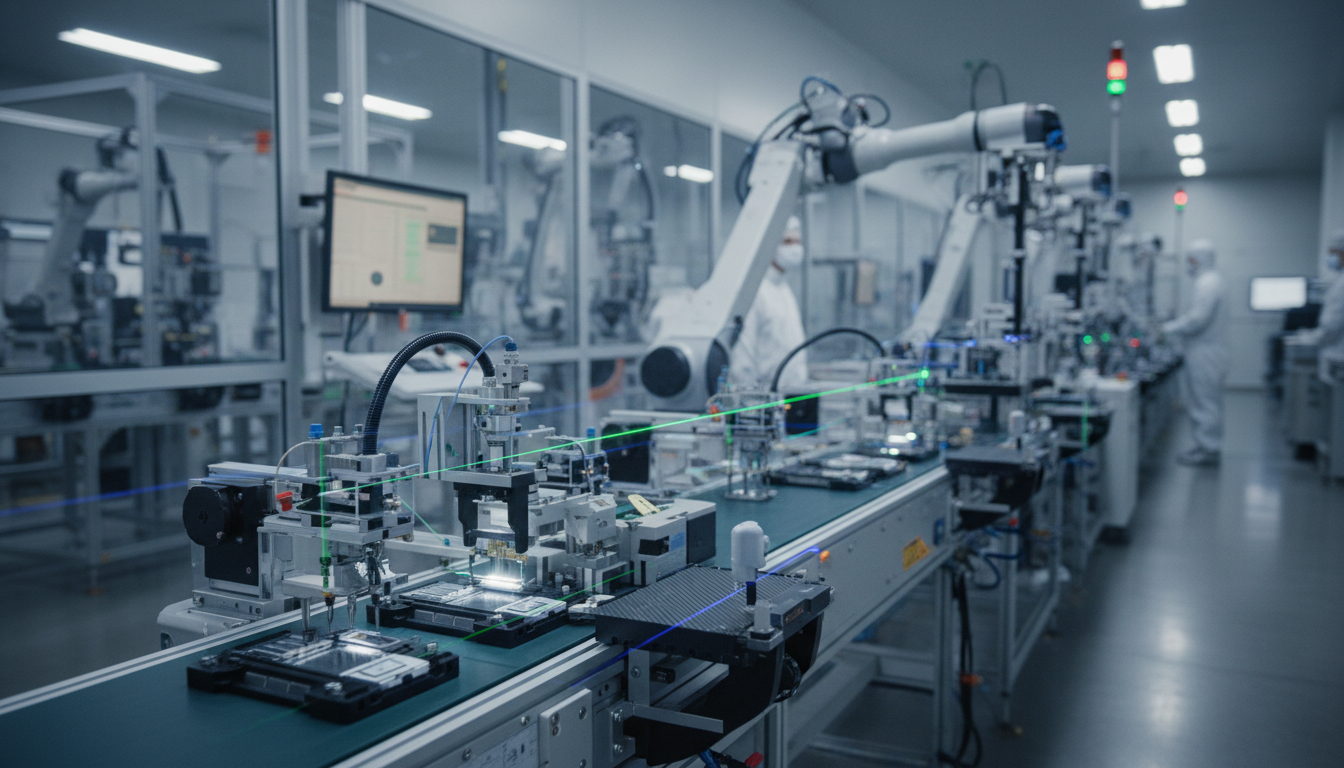
The battery suffers low production efficiency, and since the battery is only produced in smaller numbers, the cost of production can be high. Making solid electrolytes requires precision. Getting good contact between solid materials is harder than just filling a cell with liquid.
Cost Concerns
Some estimates put solid-state batteries at three-four times the price of traditional lithium-ion batteries. Materials are expensive. Equipment is specialized. And we haven't achieved economies of scale yet.
Technical Hurdles
The transition from liquid to solid electrolytes introduces challenges including reduced conductivity of solid electrolytes at room temperature. Researchers are working on improving ionic conductivity to match or beat liquid electrolytes.
Crack formation in the solid electrolyte during charge-discharge cycles is another issue. These cracks increase resistance and reduce performance over time.
Scalability Questions
What works in small, laboratory-scale batteries often faces new challenges when scaled up to the sizes needed for electric vehicles. Going from a prototype cell to a production battery pack requires solving new problems.
Who's Leading the Race to Production
Several major players are investing billions to commercialize all-solid-state batteries.
Toyota announced their plan to use a solid-state battery, starting with hybrid models in 2025. They hold more solid-state battery patents than any other company and recently partnered with Idemitsu Kosan to accelerate production.
Honda stated in 2022 that it planned to start operation of a demonstration line for the production of all-solid-state batteries in early 2024, and Nissan announced that, by FY2028, it aims to launch an electric vehicle with all-solid-state batteries.
CATL, the world's largest lithium-ion battery maker, is advancing solid-state technology at pace with more than 1,000 researchers and prototype cells hitting 500 Wh/kg. They're targeting small-scale manufacturing for 2027.
QuantumScape, backed by Volkswagen, has developed an anode-free lithium-metal battery design. Volkswagen announced that test results of a prototype solid-state battery retained 95% of its capacity after 1000 charges (equivalent to driving 500,000 km).
Samsung SDI, Solid Power, and several startups are also pushing hard to reach commercial production. The race is on.
Real-World Applications and Timeline
When will we actually see all-solid-state batteries in products we can buy?
Electric Vehicles
Solid state batteries are desirable due to their lighter weight and higher energy density compared to batteries with liquid electrolytes, which can potentially increase a vehicle's range, reduce cost, and reduce curb weight. This is the biggest target market and where we'll likely see the first widespread adoption.
Expect hybrid vehicles first, followed by fully electric models. 2027-2030 is the realistic window for commercial EV batteries.
Consumer Electronics
Murata Manufacturing announced that it would begin mass production targeting manufacturers of earphones and other wearables with cell capacity up to 25 mAh at 3.8 V. Small devices are easier to tackle than EVs because they need smaller batteries.
Industrial and Specialty Uses
All-solid-state batteries have long lifespans and excellent heat resistance, therefore it is expected to be used in harsh environments, and production of Maxell's all-solid-state batteries for use in industrial machinery has already begun.
The Road Ahead for Battery Technology
All-solid-state batteries represent a real step forward, but they won't replace lithium-ion overnight.
In the best-case scenario, solid-state batteries will be mass-produced and will hit 140 USD per kWh by 2028, whilst the worst-case scenario presumes that mass production will face obstacles and will cost 175 USD per kWh between 2032 and 2033.
We'll likely see a gradual transition. Semi-solid-state batteries—which use a hybrid of solid and liquid electrolytes—may serve as a bridge technology. NIO's 150 kWh semi-solid-state battery delivers up to 577 miles of range and is compatible with existing models.
The next 3-5 years will be telling. Companies that solve the manufacturing and cost challenges first will have a major competitive advantage. We're keeping a close eye on developments because this technology will reshape energy storage across every industry.
Conclusion
All-solid-state batteries aren't hype—they're the next logical evolution in energy storage. By replacing liquid electrolytes with solid materials, these batteries offer higher energy density, better safety, faster charging, and longer lifespans than current lithium-ion technology.
Yes, challenges remain. Manufacturing is complex, costs are high, and technical issues like ionic conductivity and scaling need solutions. But with major automakers and battery companies investing billions, we're on track to see commercial all-solid-state batteries by 2027-2030.
For electric vehicles, this means longer range, faster charging, and safer operation. For consumer electronics, it means lighter devices with better battery life. And for energy storage systems, it opens new possibilities for efficiency and reliability.
The transition won't happen overnight, but it's coming. And when it does, all-solid-state batteries will change how we think about powering everything from smartphones to electric cars.
FAQs
What is an all-solid-state battery and how does it differ from lithium-ion?
An all-solid-state battery uses a solid electrolyte instead of the liquid or gel electrolyte found in traditional lithium-ion batteries. This fundamental difference makes solid-state batteries safer, more energy-dense, and capable of faster charging. The solid electrolyte also serves as the separator, eliminating the need for additional components.
When will all-solid-state batteries be available in electric vehicles?
Major manufacturers are targeting 2027-2030 for commercial production. Toyota plans to introduce solid-state batteries in hybrid vehicles starting around 2027, while Nissan aims for 2028. Honda and other companies have similar timelines. Small-scale production and testing are already underway, but mass production faces manufacturing and cost challenges.
Are all-solid-state batteries safer than lithium-ion batteries?
Yes, they're significantly safer. Solid electrolytes are non-flammable, eliminating the fire risk associated with liquid electrolytes. There's no risk of leakage, and they're less prone to thermal runaway. They also operate safely across a wider temperature range, from -20°C to 80°C, making them more stable in extreme conditions.
What are the main challenges preventing widespread adoption of all-solid-state batteries?
The biggest obstacles are manufacturing complexity, high production costs, and technical challenges. Solid electrolytes are harder to produce than liquid ones, and achieving good contact between solid materials is difficult. Current production costs are 3-4 times higher than lithium-ion batteries. Researchers are also working to improve ionic conductivity and prevent crack formation during charging cycles.
How much more energy can all-solid-state batteries store compared to lithium-ion?
All-solid-state batteries can potentially store 2-3 times more energy than current lithium-ion batteries. While lithium-ion batteries typically achieve 160-250 Wh/kg, solid-state batteries show potential for 300-800 Wh/kg depending on the design. Some prototypes have already demonstrated 450-500 Wh/kg, which could translate to electric vehicles with double the current range.
Highstar attaches great importance to your personal privacy. When you visit our website, please agree to the use of all cookies. More information about the processing of personal data can be found at "Privacy Policy"


 Buy
Buy