Development Trends of Cathode, Anode, Separator, and Electrolyte in Battery Technology
Related Topics
Explore the latest development trends in battery components including cathode materials, silicon anodes, advanced separators, and solid-state electrolytes shaping the future of energy storage.
Follow us on
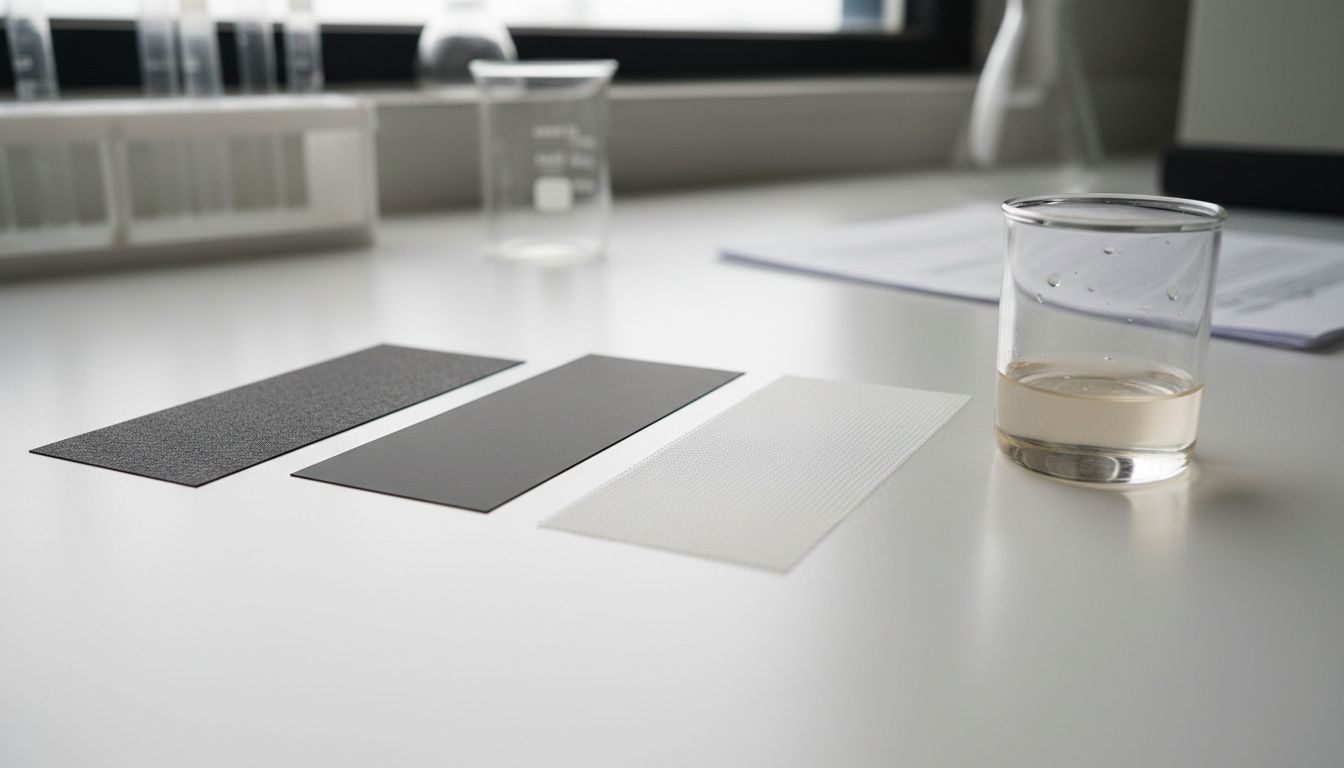
Battery technology is changing fast. We're seeing real progress in how cathode, anode, separator, and electrolyte materials are being developed and refined. These four components work together to determine how well batteries perform, how safe they are, and how long they last. At Highstar, we keep a close eye on these trends because they directly impact the batteries we produce and the solutions we offer.
The push toward better energy density, faster charging, and safer operation is driving research teams and manufacturers to rethink traditional materials. From silicon-based anodes to solid-state electrolytes, the innovations happening now will shape batteries for years to come. Here's what's changing and why it matters.
Cathode Materials Push Higher Energy Density
Advances in cathode materials continue to drive the development of safer, more efficient, and sustainable lithium-ion batteries for various applications, including electric vehicles and grid storage. We're watching two major directions: nickel-rich layered oxides and alternative chemistries.
Nickel-rich lithium metal oxides provide high specific energy but face issues with cobalt reliance and stability, prompting research to reduce cobalt content and increase nickel content. This shift helps cut costs and reduces dependence on scarce materials. Manufacturers are testing formulations with 90% or higher nickel content, though they need to solve stability problems at high voltages.
Olivine-based cathode materials, such as lithium iron phosphate, prioritize safety and stability but exhibit lower energy density, leading to exploration into isomorphous substitutions and nanostructuring to boost performance. Both paths show promise, depending on whether you need maximum energy or maximum safety.
Silicon Anodes Replace Traditional Graphite
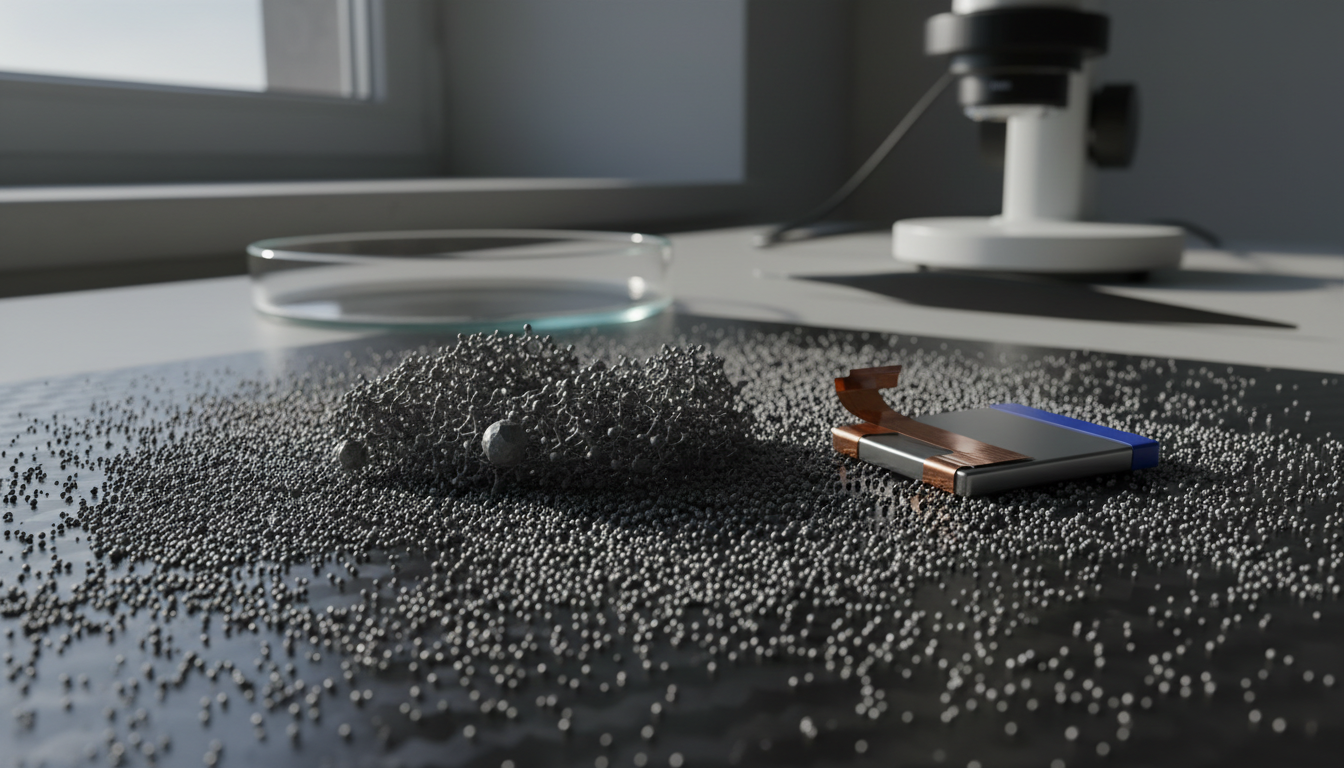
Graphite has been the standard anode material for decades, but silicon is stepping in. Multiple solutions are under development that can utilize higher percentages of silicon, ranging from silicon-carbon composites to nanostructured silicon material, and start-ups such as Group14 Technologies, Nexeon, and Sila Nano are building production facilities with the aim of deploying material commercially, at scale, over the next 2-3 years.
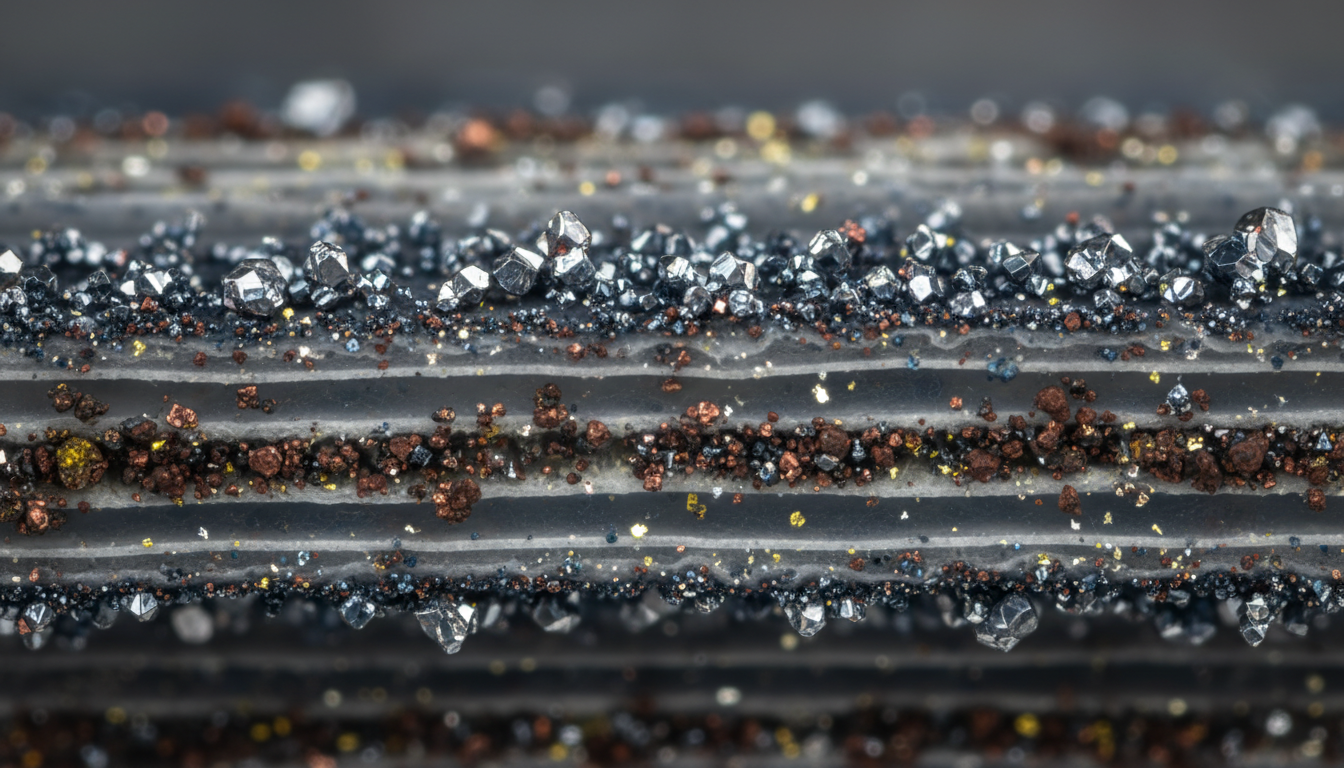
Silicon can store about 10 times more lithium than graphite, which translates to batteries that hold more energy in the same space. But there's a catch: silicon swells during charging, which can crack the electrode and reduce battery life. Researchers are tackling this with composite materials that blend silicon with carbon, or by using silicon nanoparticles that handle the expansion better.
Issues may limit silicon's utility, including swelling upon lithiation (which can lead to particle cracking, particle isolation, and electrode delamination) and electrolyte side reactions, and understanding the mechanisms of solid electrolyte interphase formation and failure is necessary for functioning silicon anodes. Companies are getting closer to making silicon anodes work reliably in commercial batteries, which could arrive in vehicles within 2-3 years.
Separators Get Smarter and Safer
Separators don't get as much attention as cathodes and anodes, but they play a key role in battery safety. Direct contact between cathode and anode may cause short circuit, which can lead to safety accidents like fires, and serving as a safeguard that blocks the physical contact is the Lithium-ion Battery Separator.
Companies are striving to overcome the limitation of existing separators that lose their durability at temperatures over 130℃, and LG Chem has developed separators which can withstand heat of over 200℃ by coating ceramic particles and polymeric binders on the surface. This kind of coating makes batteries safer in high-temperature conditions or during thermal runaway events.
Functional separators are also being designed for next-generation systems like lithium-metal and lithium-sulfur batteries. Functional separators have been actively studied and developed with features like polysulfide barriers and dendrite suppression. These innovations help solve problems that standard polyethylene or polypropylene separators can't handle.
Solid-State Electrolytes Take Center Stage
Liquid electrolytes work well but they're flammable. That's why in all-solid state batteries, the liquid electrolyte is replaced by a solid compound which allows lithium ions to migrate within it, and over the past 10 years new families of solid electrolytes have been discovered with very high ionic conductivity, similar to liquid electrolyte.
Solid electrolytes are non-flammable when heated, unlike their liquid counterparts, and permit the use of innovative, high-voltage high-capacity materials, offering denser, lighter batteries with better shelf-life as a result of reduced self-discharge. Research teams are testing sulfide-based materials, oxide ceramics, and polymer electrolytes—each with different strengths.
In 2011, researchers demonstrated the first solid-electrolyte capable of achieving a bulk ionic conductivity in excess of liquid electrolyte counterparts at room temperature. Since then, materials like argyrodites and halide conductors have pushed performance even higher. Electrolytes composed of lithium, scandium, indium and chlorine conduct lithium ions well but electrons poorly, creating an all-solid-state battery that functions without significantly losing capacity for over a hundred cycles at high voltage (above 4 volts), and the chloride nature of the electrolyte is key to its stability at operating conditions above 4 volts.
But challenges remain. Although great improvements have been made, especially in solid-state electrolytes, fundamental challenges still remain for the solid-state systems in terms of chemistry and mechanics. Getting good contact between solid materials and preventing dendrite growth are two big problems teams are working to solve.
Manufacturing and Scaling Challenges
New battery technology breakthroughs typically involve new components or materials, new manufacturing processes and new raw material supply chains, all requiring significant investment, manufacturing expertise and time, and only a small number of new technologies make it past the pilot production stage. This is why we see promising lab results that take years to reach production.
LIB industry has established the manufacturing method for consumer electronic batteries initially and most mature technologies have been transferred to current state-of-the-art battery production, though manufacturers have different cell designs including cylindrical, pouch, and prismatic, the cell manufacturing processes are very similar. New materials need to fit into existing production lines, or companies need to invest heavily in new equipment.
Innovations such as silicon-based anodes and dry electrode coating are making progress, with large automakers working toward their adoption. Dry coating processes, for example, cut out solvents and reduce energy use during manufacturing—changes that make sense both economically and environmentally.
What This Means for the Future
Recent breakthroughs in silicon-based anodes, solid-state electrolytes, and advanced cell designs promise to push energy densities beyond 400 Wh/kg and extend cycle lives to over 5000 cycles. That's roughly double what today's best lithium-ion batteries achieve.
Battery development isn't just about one component getting better. The continuous improvement and optimization of these components contribute to advancements in energy density, cycle life, safety, and overall battery performance. Cathodes, anodes, separators, and electrolytes all need to work together.
At Highstar, we're focused on integrating these trends into practical products. Whether it's our ternary lithium batteries or our work with active materials, we're applying what's being developed in labs to real-world energy storage solutions. The development trends we're seeing today—higher nickel cathodes, silicon anodes, ceramic-coated separators, and solid-state electrolytes—will define the batteries that power electric vehicles, grid storage, and portable devices in the coming decade.
Conclusion
The development trends across cathode, anode, separator, and electrolyte materials are reshaping battery technology from the ground up. Nickel-rich and iron phosphate cathodes are balancing energy and safety. Silicon anodes are replacing graphite to boost capacity. Separators are getting ceramic coatings for better thermal stability. Solid-state electrolytes are replacing flammable liquids for safer, denser batteries.
These aren't distant possibilities—they're moving from research labs into production facilities. The next generation of batteries will charge faster, last longer, and operate more safely because of these material innovations. We're watching these trends closely and working to bring them into our battery products as the technology matures.
FAQs
What are the main benefits of silicon anodes over graphite?
Silicon anodes can store about 10 times more lithium than graphite, which means batteries can hold more energy in the same space. This translates to longer range for electric vehicles and smaller, lighter batteries for portable devices. The main challenge is managing silicon's expansion during charging, which researchers are addressing through composite materials and nanostructuring techniques.
Why are solid-state electrolytes considered safer than liquid ones?
Solid-state electrolytes are non-flammable, unlike the organic liquid electrolytes used in current lithium-ion batteries. They can't leak and don't pose the same fire risks during thermal runaway events. They also allow the use of lithium metal anodes and high-voltage cathodes, which can increase energy density while reducing safety concerns.
How do ceramic-coated separators improve battery safety?
Ceramic coatings on separators help them maintain their structure at temperatures above 200℃, well beyond the melting point of standard polyethylene separators. This prevents short circuits during thermal events and gives batteries more time to cool down before catastrophic failure. The ceramic particles also improve electrolyte wettability, which can reduce internal resistance.
What's holding back the commercialization of silicon anode batteries?
The biggest issue is silicon's volume expansion during lithiation—it can swell by up to 300%, which causes cracking and capacity loss over repeated cycles. Researchers are solving this through silicon-carbon composites, nanostructured materials, and improved binder systems. Several companies expect to bring silicon anode batteries to market within 2-3 years for electric vehicles.
Which cathode chemistry will dominate future battery production?
It depends on the application. Nickel-rich chemistries (like NMC 811 or even higher nickel content) will likely dominate electric vehicles where energy density matters most. Lithium iron phosphate will continue growing in applications where safety, cost, and cycle life are priorities—like stationary storage and some lower-range EVs. Both chemistries will coexist, serving different market needs.
Highstar attaches great importance to your personal privacy. When you visit our website, please agree to the use of all cookies. More information about the processing of personal data can be found at "Privacy Policy"


 Buy
Buy