Cylindrical Battery: What You Need to Know About These Power-Packed Cells
Related Topics
Explore cylindrical batteries—their design, advantages, common sizes like 18650 and 21700, and applications in EVs, laptops, and power tools. Learn how they compare to prismatic cells.
Follow us on
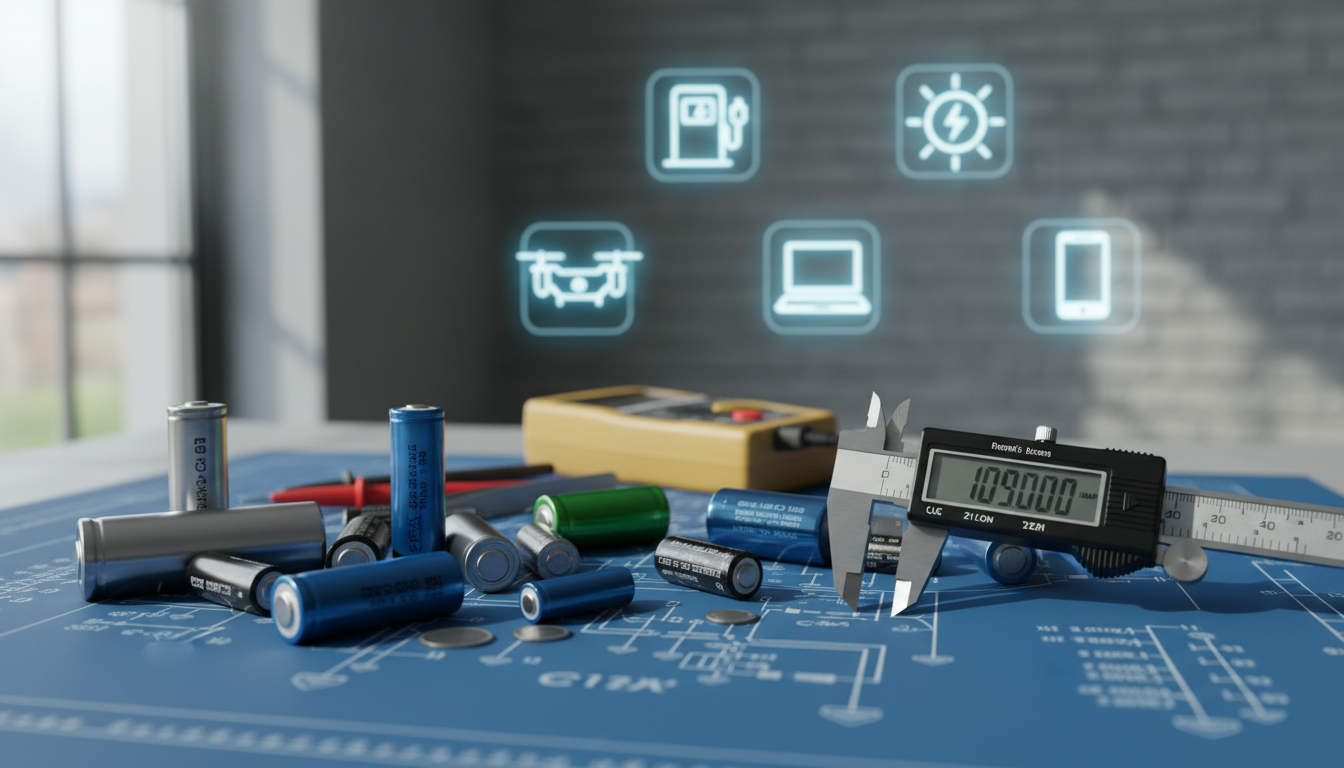
Cylindrical batteries power everything from your laptop to electric vehicles. The cylindrical cell is the most commonly used form for all types of cells, primary (non-rechargeable) and secondary (rechargeable), across various chemistries like Lithium-ion (Li-ion). These round, tube-shaped cells have been around for decades, and they're not going anywhere. We'll break down what makes them tick, where they shine, and how they stack up against other battery formats.
At Highstar, we specialize in advanced battery technology including ternary lithium cells that meet the demands of modern applications. Let's look at why cylindrical batteries remain a go-to choice across industries.
What Makes a Cylindrical Battery Different
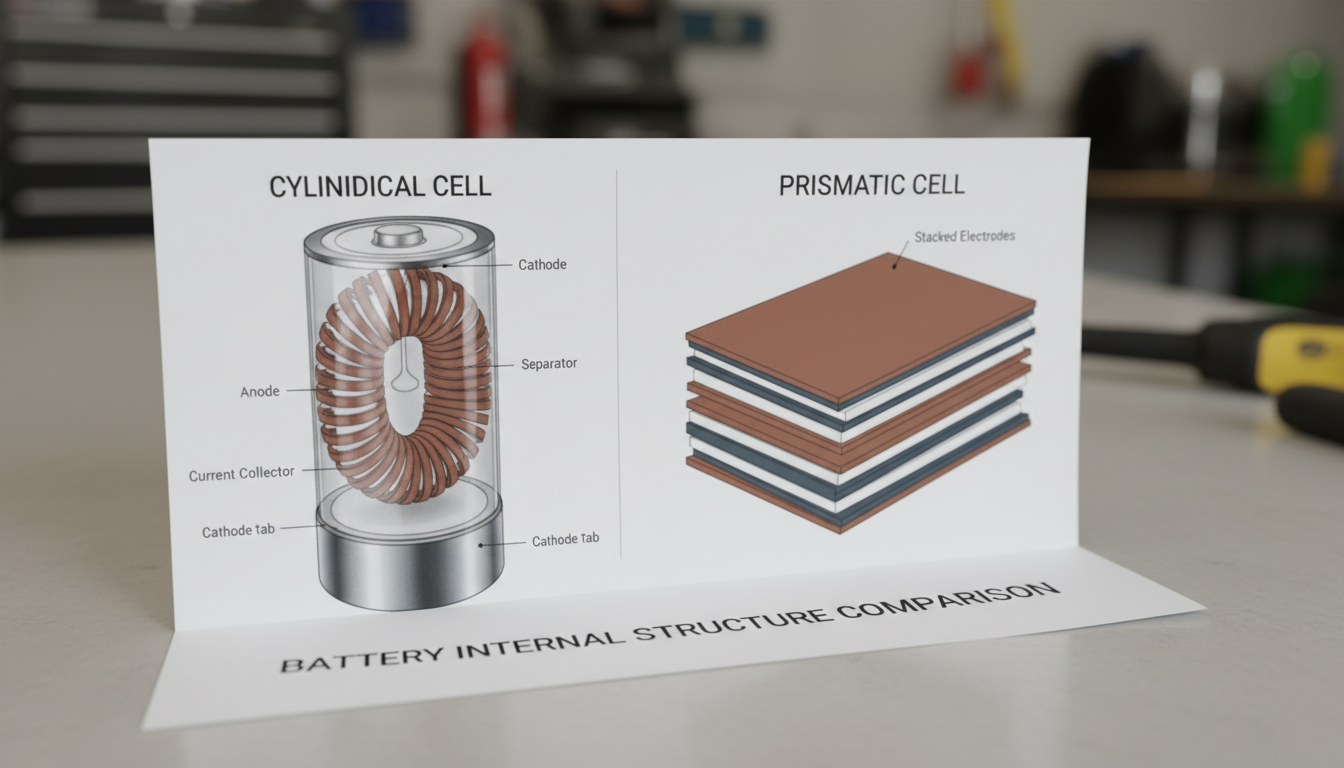
A cylindrical cell is a cell enclosed in a rigid cylinder can. Cylindrical cells are small and round, making it possible to stack them in devices of all sizes. The design features electrodes that are wound tightly in a spiral configuration inside a metal casing—think of a jelly roll structure. The cylindrical cell continues to be one of the most widely used packaging styles for primary and secondary batteries. The advantages are ease of manufacture and good mechanical stability.
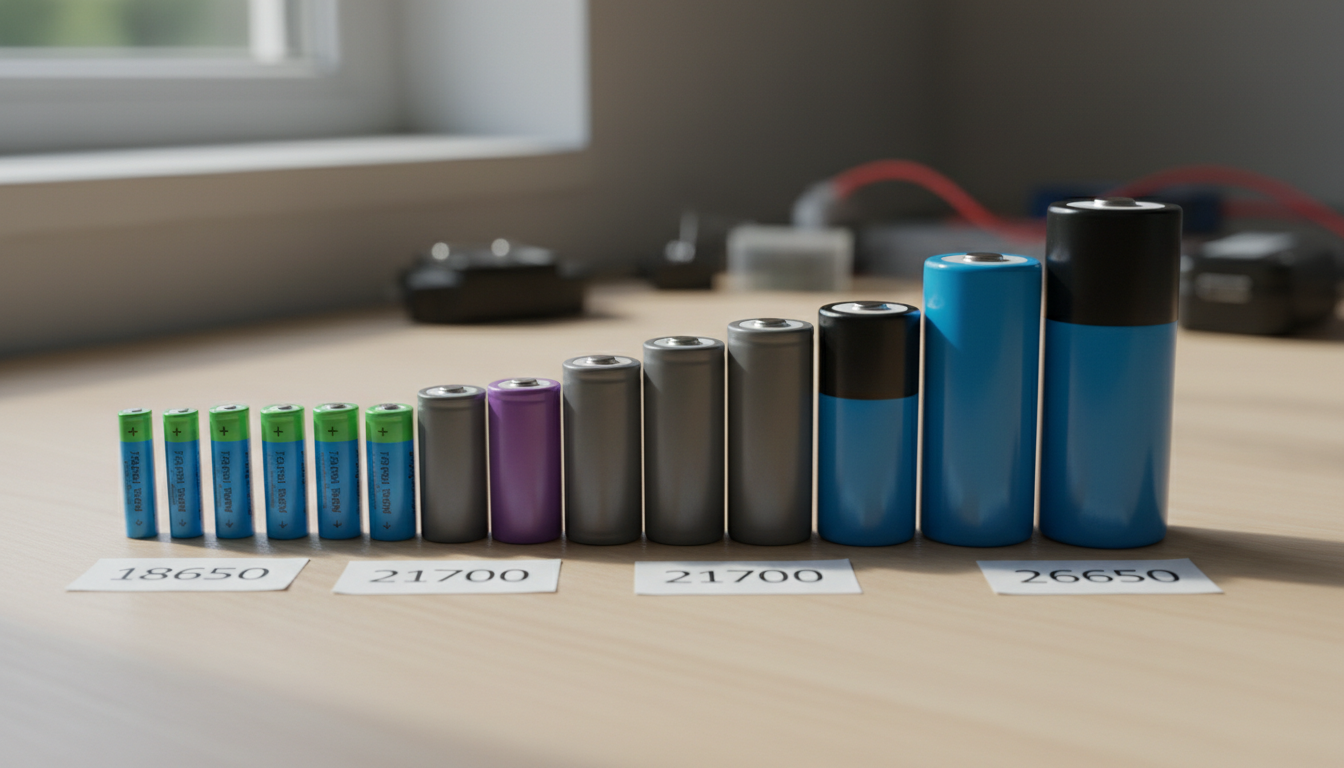
The naming system tells you exactly what size you're dealing with. The first two digits are the nominal diameter of the cell in millimetres, and the two following digits are generally the height in millimeters, with the fifth digit indicating cylindrical shape. So an 18650 battery measures 18mm in diameter and 65mm in length. Simple math.
Common Cylindrical Battery Sizes and Their Uses
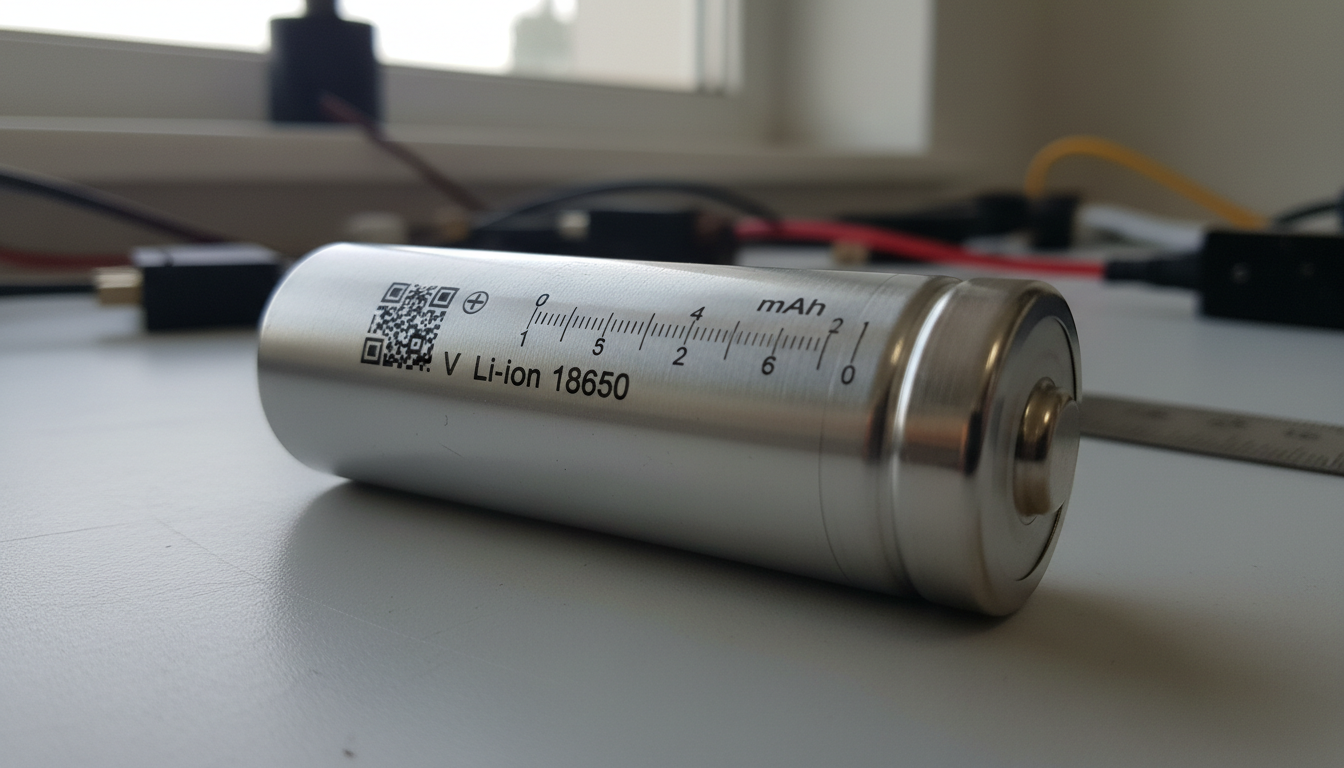
Several standard sizes dominate the market. The 18650 illustrated in Figure 2 remains one of the most popular cell packages. Typical applications for the 18650 Li-ion are power tools, medical devices, laptops and e-bikes. This format became famous when Tesla used thousands of them in early electric vehicle models.
The 21700 cell has gained traction recently. A 21×70 mm cell with 3000–5000 mAh capacity. It offers higher energy density than 18650 and is used in EVs, e-bikes, and solar lighting systems. Other common sizes include the compact 14500 (similar to AA batteries), the larger 26650, and even the newer 4680 format that Tesla introduced.
The tubular cylinder can withstand high internal pressures without deforming. This mechanical strength means these batteries handle stress well—vibration, thermal cycling, and mechanical expansion don't easily damage them. One of the key advantages of cylindrical lithium batteries is their ability to radiate heat efficiently, helping to regulate temperature naturally.
The round shape creates natural gaps when cells are packed together. The shape of the round cells offers maximum airflow between each cell for better temperature control. The heat can dissipate quickly for better performance. This cooling advantage makes them great for high-performance applications.
Manufacturing costs stay lower too. Cylindrical cell technology offers longer cycle life, often exceeding 20,000 cycles compared to 2,000-5,000 cycles for prismatic cells. Cylindrical battery production benefits from manufacturing optimization and standardized sizes, making them more cost-effective per unit.
How Cylindrical Batteries Compare to Prismatic Cells
The battery world has two main contenders: cylindrical and prismatic. Prismatic cells are much larger than cylindrical cells and hence contain more energy per cell. To give a rough idea of the difference, a single prismatic cell can contain the same amount of energy as 20 to 100 cylindrical cells. But bigger isn't always better.
Cylindrical cells may store less energy than prismatic cells, but they have more power. This means that cylindrical cells can discharge their energy faster than prismatic cells. When you need quick bursts of power—like accelerating an electric vehicle or starting a power tool—cylindrical cells deliver.
Space efficiency differs between the two. Prismatic cells pack tighter with less wasted space, but if one cell in a prismatic battery fails, the entire battery pack may become compromised. In contrast, cylindrical cells are connected in series and parallel configurations, reducing this risk.
Feature
Cylindrical
Prismatic
Shape
Round, tube-like
Rectangular, flat
Energy per cell
Lower
Higher
Power discharge
Faster
Slower
Thermal management
Better air circulation
Needs cooling systems
Manufacturing cost
Lower
Higher
Cycle life
10,000-20,000+ cycles
2,000-5,000 cycles
Real-World Applications
Cylindrical cells are also used in e-bikes, medical devices, and satellites. The versatility comes from standardized sizes and proven reliability. Consumer electronics rely heavily on them—your laptop battery pack probably contains multiple 18650 cells arranged in series and parallel.
Electric vehicles use thousands of cylindrical cells. They are also essential in space exploration because of their shape; other cell formats would be deformed by the atmospheric pressure. The last Rover sent on Mars, for example, operates using cylindrical cells. The Formula E high-performance electric race cars use the exact same cells as the rover in their battery. If they work on Mars, they'll probably work in your application.
Considerations When Choosing Cylindrical Batteries
Think about your specific needs. In the context of electric vehicles, the number of cylindrical cells in the battery system is large, which increases the complexity of the battery system. Regardless of the organization or management system, compared to the other two types of batteries, the system level cost of cylindrical batteries is relatively high. More cells mean more connections to manage.
Safety features matter. Many lithium and nickel-based cylindrical cells include a positive thermal coefficient (PTC) switch. When exposed to excessive current, the normally conductive polymer heats up and becomes resistive, stopping current flow and acting as short circuit protection. Look for cells with built-in protection circuits.
Capacity varies by model and chemistry. The most popular cylindrical battery (18×65 mm), offering 1500–3500 mAh. Balances size and performance, used in laptops, power tools, e-bikes, and e-scooters. Match your capacity requirements to available options.
Conclusion
Cylindrical batteries continue dominating multiple industries for good reason. Their mechanical strength, thermal management, cost-effectiveness, and proven track record make them a solid choice for applications ranging from portable electronics to electric vehicles and space exploration. While prismatic cells offer some advantages in space efficiency and energy density, cylindrical cells deliver better power output, longer cycle life, and lower manufacturing costs.
The standardized sizing system makes integration straightforward, and decades of manufacturing experience keep quality high and prices competitive. Whether you're designing a new product or replacing existing batteries, cylindrical cells deserve serious consideration. Their round shape might seem simple, but the engineering behind them is anything but.
FAQs
What does the number on a cylindrical battery mean?
The five-digit number indicates physical dimensions. The first two digits show diameter in millimeters, the next two show height in millimeters, and the last digit (usually 0) indicates cylindrical shape. An 18650 battery is 18mm wide and 65mm tall.
How long do cylindrical lithium batteries last?
Quality cylindrical lithium cells typically last 10,000 to 20,000+ charge cycles, significantly longer than prismatic cells which average 2,000-5,000 cycles. Actual lifespan depends on chemistry, usage patterns, charging practices, and operating temperature. With proper care, they can last 5-10 years in most applications.
Can you replace one cylindrical cell in a battery pack?
Technically yes, but it's not recommended. Battery packs should use cells with matched capacity and age. Replacing a single cell with different characteristics can cause imbalance, reduce performance, and create safety risks. It's better to replace entire modules or packs.
Why do electric vehicles use thousands of small cylindrical cells instead of fewer large ones?
Smaller cells offer better thermal management with natural air gaps, distribute risk (one failure doesn't compromise the pack), and benefit from mature manufacturing with lower costs. The modular approach also allows flexible pack configurations and easier cooling system design.
Are cylindrical batteries safer than prismatic batteries?
Both can be safe when properly designed and managed. Cylindrical cells handle internal pressure better due to their shape and resist swelling. They also offer better heat dissipation. However, prismatic cells have fewer connections which reduces failure points. Safety depends more on quality, protection circuits, and thermal management than cell shape alone.
Highstar attaches great importance to your personal privacy. When you visit our website, please agree to the use of all cookies. More information about the processing of personal data can be found at "Privacy Policy"


 Buy
Buy