ESS (Energy Storage System): Everything You Need to Know in 2025
Related Topics
Discover what ESS (Energy Storage Systems) are, how they work, types, benefits, and applications. Learn about battery storage systems transforming renewable energy in 2025.
Follow us on
We're living in a time when energy is everything. From powering our homes to running massive data centers, the demand for reliable electricity keeps growing. But here's the catch: renewable energy sources like solar and wind don't produce power 24/7. That's where ESS, or Energy Storage Systems, come into play. These systems are changing the game by storing excess energy when it's available and releasing it when we need it most.
Think of an ESS as a giant battery that helps balance the ups and downs of energy production and consumption. When your solar panels are soaking up sunshine during the day, an ESS captures that extra power. Then, when the sun goes down and you're still watching TV or running the dishwasher, that stored energy kicks in. It's pretty straightforward, but the impact is massive. We're talking about better grid stability, lower energy bills, and a cleaner planet.
In this guide, we're breaking down everything about energy storage systems. We'll walk you through what they are, how they actually work, the different types you can choose from, and why they matter for your home or business. Plus, we'll look at real-world applications and answer the questions people are asking most. Let's get started.
What Is an Energy Storage System (ESS)?
Energy storage is the capture of energy produced at one time for use at a later time to reduce imbalances between energy demand and energy production. In simpler terms, an ESS is any technology or device that stores energy so you can use it later. An energy storage system (ESS) for electricity generation uses electricity (or some other energy source, such as solar-thermal energy) to charge an energy storage system or device, which is discharged to supply (generate) electricity when needed at desired levels and quality.
ESS tech has been around for decades, but it's really taking off now. Why? Because we're shifting toward renewable energy sources that are intermittent by nature. Solar panels only work when the sun is shining, and wind turbines need wind to spin. This gap between the energy supply and demand is balanced using an Energy Storage System. These systems store surplus energy during peak production times and discharge it during high demand or when generation is low.
The beauty of ESS is versatility. You can find these systems in homes, commercial buildings, industrial facilities, and even at the utility scale. They range from small battery packs that power your smartphone to massive grid-scale installations that can store enough electricity to power thousands of homes. Modern energy storage systems come with advanced controllers, monitoring software, and safety features that make them more reliable and efficient than ever before. Companies like Highstar are at the forefront of developing cutting-edge battery materials that make these systems even more powerful.
How Energy Storage Systems Work
So, how does an ESS actually work? It all comes down to three main steps: capturing energy, converting and storing it, and then releasing it when needed. An ESS energy storage system involves three important steps – energy capture, conversion and storage, and controlled release.
Step 1: Energy Capture In the first stage of capturing energy, the energy is gathered from sources, such as solar panels, wind turbines or electric grid during low peak periods. For example, if you have solar panels on your roof, they convert sunlight into electrical energy during the day. Any excess electricity that you don't immediately use gets sent to the energy storage system.
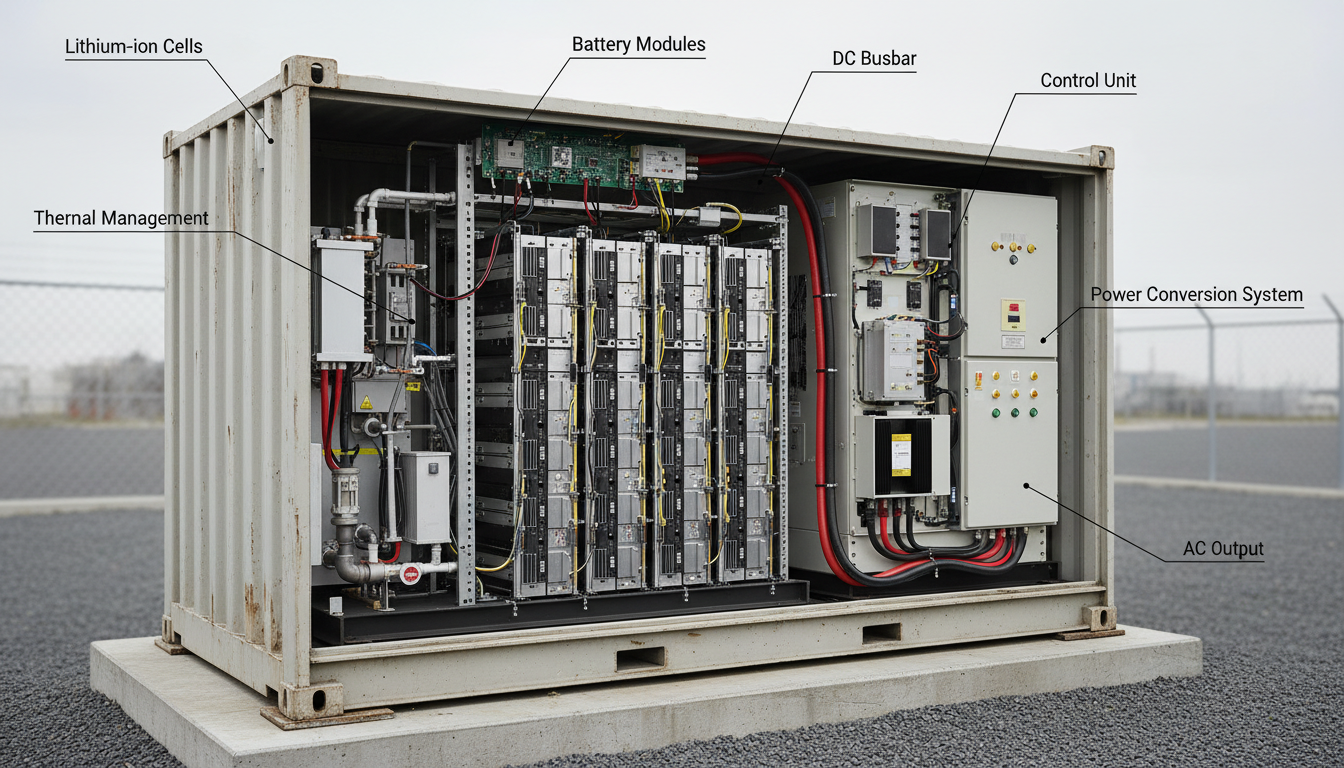
Step 2: Conversion and Storage Next, the captured energy has to be converted and stored in an accessible and stable form. Technologies like lithium-ion batteries convert and store the electricity very efficiently until it is required. A typical ESS includes a power conversion system (PCS) that handles AC to DC conversion for charging and DC to AC conversion for discharging. The battery management system (BMS) monitors the health of the batteries, balances charging across cells, and protects against overcharging or overheating.
Step 3: Controlled Release When demand spikes or when your solar panels aren't producing energy (like at night), the ESS releases the stored electricity back into your home or the grid. For example, when there is more supply than demand, such as during the night when continuously operating power plants provide firm electricity or in the middle of the day when the sun is shining brightest, the excess electricity generation can be used to charge storage devices. When demand is greater than supply, storage facilities—even those in individuals' homes—can discharge their stored energy to the grid. This seamless process keeps your lights on and your appliances running without interruption.
Types of Energy Storage Systems
Energy storage isn't one-size-fits-all. There are several types of ESS technologies, each with unique characteristics, benefits, and use cases. Let's break down the most common ones you'll encounter.
Battery Energy Storage Systems (BESS)
In this respect BESS (Battery Energy Storage Systems) are highly effective. They use batteries (mostly lithium-ion) to store energy and then release it as needed. Battery systems are the most popular choice for residential and commercial applications because they're compact, scalable, and relatively affordable.
Lithium-ion batteries dominate the market right now. Lithium-ion batteries (like those in cell phones and laptops) are among the fastest-growing energy storage technologies because of their high energy density, high power, and high efficiency. They're lightweight, have long lifespans, and can handle thousands of charge-discharge cycles. Companies are even developing next-gen anode materials like silicon-graphite to improve performance and energy density.
Other battery types include lead-acid, sodium-sulfur, nickel-cadmium, and flow batteries. Flow Batteries: Ideal for long-duration energy storage, flow batteries use liquid electrolytes to store energy, making them highly scalable and suitable for large-scale energy storage applications. Each has its pros and cons depending on the application, cost considerations, and energy capacity requirements.
Mechanical Energy Storage
Among the prominent types of mechanical energy storage are Pumped Hydroelectric Energy Storage (PHES), Compressed Air Energy Storage (CAES), Flywheel Energy Storage (FES), and Gravity Energy Storage (GES). These systems store energy in the form of kinetic or potential energy.
Pumped hydro storage is the most established form of large-scale energy storage. Pumped hydro storage, the most prevalent form of large-scale energy storage, operates on a simple principle: water is pumped to a higher elevation during low-demand periods and released to generate electricity when demand peaks. This form of storage requires significant geographical features but offers a reliable, scalable solution for energy storage over longer durations.
Compressed air energy storage (CAES) works by using surplus electricity to compress air, which is then stored in underground caverns or tanks. When electricity is needed, the air is released and expanded through a turbine to generate power. Flywheel systems store energy as rotational kinetic energy in a rapidly spinning disc, which can deliver bursts of power very quickly.
Thermal Energy Storage (TES)
Thermal Energy Storage: This method involves storing energy in the form of heat, which can be used for various applications, including heating, cooling, and power generation. TES systems are commonly used in concentrated solar power plants, where molten salt is heated during the day and then used to generate steam and electricity at night.
Ice storage air conditioning systems use off-peak electricity to store cold by freezing water into ice. The stored cold in ice releases during melting process and can be used for cooling at peak hours. This approach is widely used in commercial buildings to reduce peak electricity demand and lower energy costs.
Electrochemical and Other Technologies
Electrochemical energy storage system undergoes chemical process to store and produce electricity. Batteries are the most widely used electrochemical energy storage systems in industrial and household applications. Beyond traditional batteries, emerging technologies like supercapacitors and solid-state batteries are gaining attention. Solid-State Batteries: These batteries promise higher energy densities and improved safety over traditional lithium-ion batteries. They are considered the future of battery storage technology.
Benefits of Energy Storage Systems
Why should you care about ESS? Because they offer a ton of benefits that go way beyond just storing electricity. Let's look at some of the biggest advantages.
Grid Stability and Reliability
Energy storage can provide backup power during disruptions. The same concept that applies to backup power for an individual device (e.g., a smoke alarm that plugs into a home but also has battery backup), can be scaled up to an entire building or even the grid at large. Storage provides flexibility for the grid, to ensure uninterrupted power to consumers, whenever and wherever they need it. When storms knock out power lines or equipment fails, ESS can kick in to keep critical systems running.
Energy storage systems contribute to grid reliability by providing backup power during blackouts or grid failures. In situations where the primary power source is disrupted, such as natural disasters or equipment failures, energy storage systems can provide a reliable and immediate power supply, ensuring critical services remain operational. This reliability is a game-changer for hospitals, data centers, and other facilities that can't afford downtime.
Integration of Renewable Energy
Energy storage can smooth out the delivery of variable or intermittent resources such as wind and solar, by storing excess energy when the wind is blowing and the sun is shining, and delivering it when the opposite is happening. Without storage, a lot of renewable energy goes to waste. ESS captures that surplus and makes sure it gets used.
Renewable energy sources like solar and wind are intermittent in nature, depending on factors such as weather conditions and daylight hours. Energy storage systems play a vital role in integrating these renewable sources into the grid by storing excess energy when generation exceeds demand and releasing it when there is a shortage. This capability helps to maintain a consistent power supply and increases the penetration of renewable energy in the overall energy mix. This is huge for hitting sustainability targets and reducing our dependence on fossil fuels.
Cost Savings and Economic Benefits
Energy storage can save operational costs in powering the grid, as well as save money for electricity consumers who install energy storage in their homes and businesses. Energy storage can reduce the cost to provide frequency regulation and spinning reserve services, as well as offset the costs to consumers by storing low-cost energy and using it later, during peak periods at higher electricity rates.
This practice, called energy arbitrage, lets you buy electricity when prices are low (like overnight) and use it when prices spike (during peak afternoon hours). Over time, this can add up to serious savings on your energy bills. Plus, businesses can reduce demand charges by shaving their peak electricity consumption with stored energy.
Environmental Impact
As we're collectively moving towards net zero, installing a BESS at your home or place of work is an excellent way to reduce your carbon footprint. Harnessing renewable energy through BESS reduces your greenhouse gas emissions and minimises pollution, offering you peace of mind as you commit to your personal carbon footprint goals. By enabling more renewable energy on the grid and reducing the need for fossil fuel plants, ESS helps cut carbon emissions and fight climate change.
Applications of Energy Storage Systems
ESS technology isn't just for tech geeks or big utilities. It's being used everywhere, from homes to factories to massive grid-scale projects. Here are some of the most common applications.
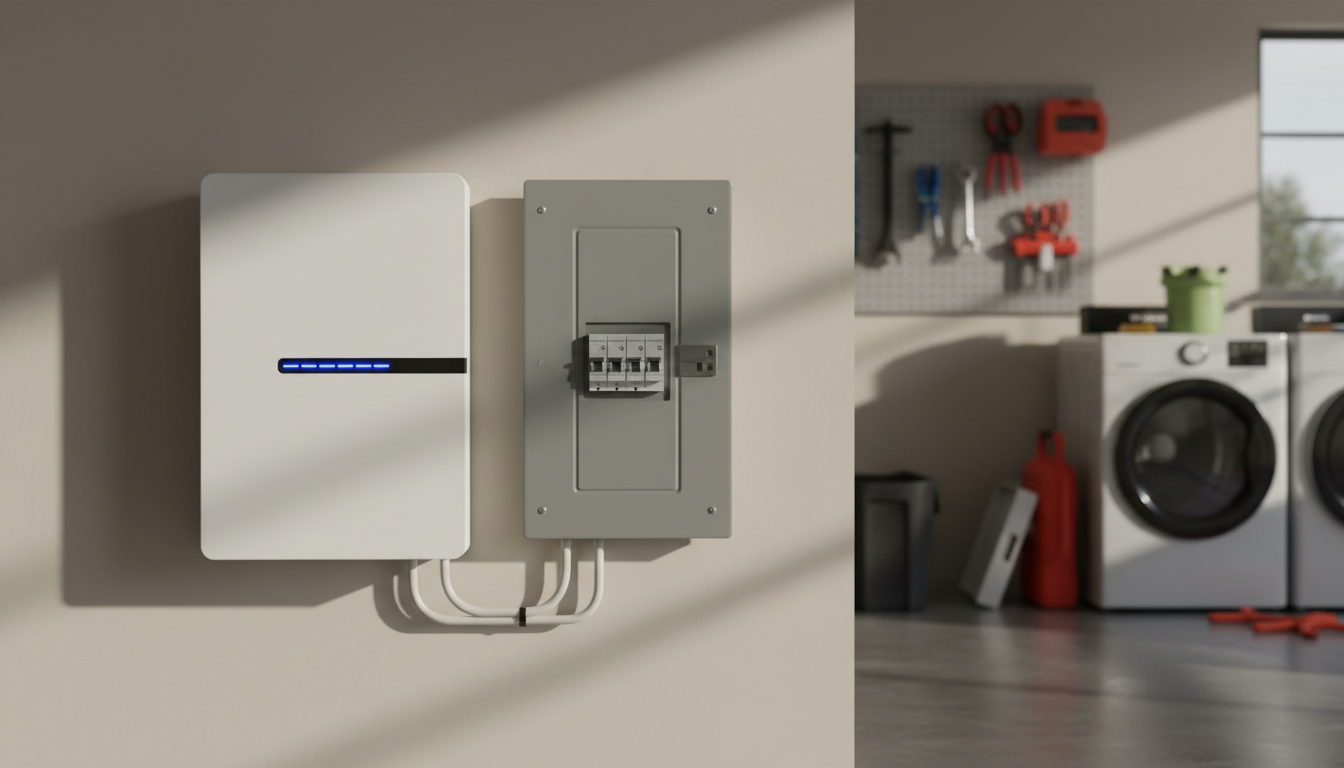
Residential Energy Storage
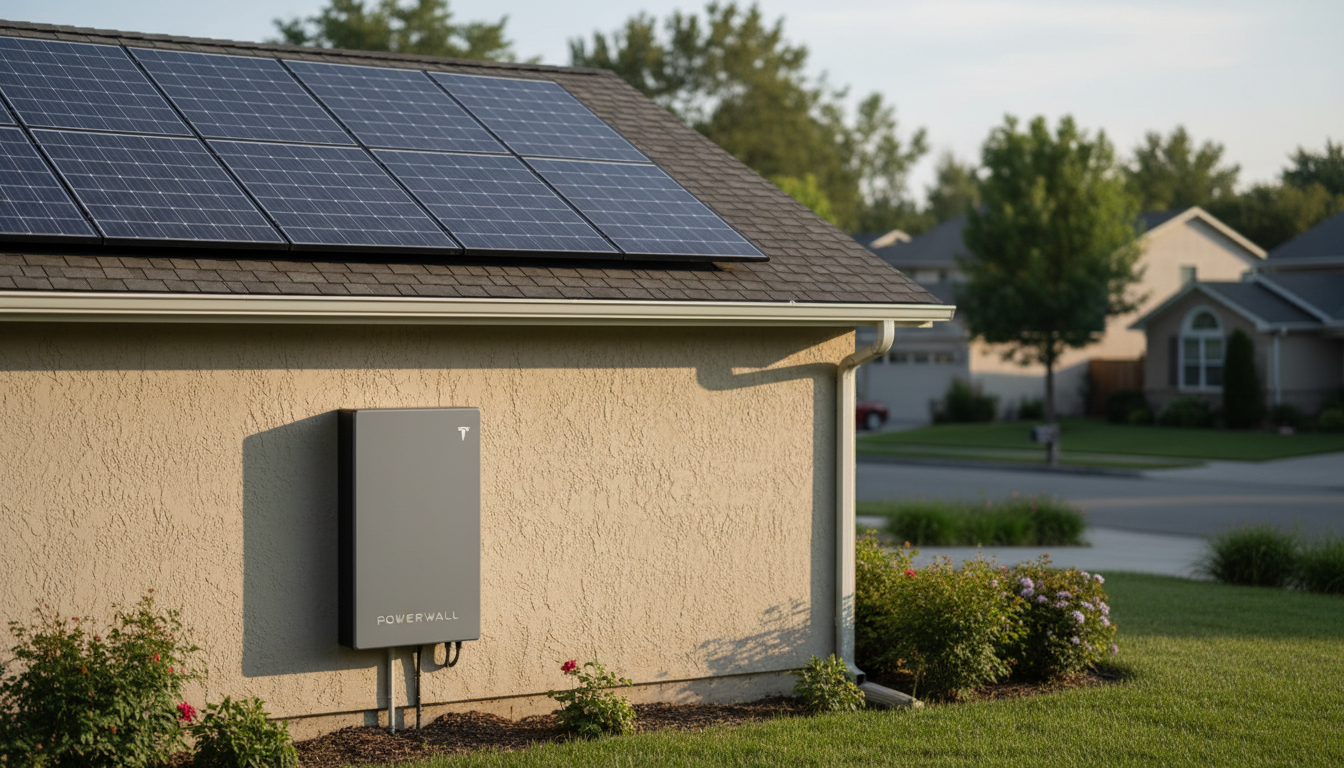
Homeowners are installing battery systems to pair with their solar panels, creating what's often called a solar-plus-storage system. BY storing excess energy produced from renewable sources like solar panels, homeowners can use this stored energy during power outages or peak demand times, improving grid efficiency and cost savings. This setup gives you more control over your energy use, lowers your electricity bills, and provides backup power during outages.
Residential ESS typically range from 5 to 15 kWh in capacity, enough to power essential appliances for several hours or even a full day. Popular products like Tesla Powerwall and other home battery systems are making this technology accessible to everyday consumers.
Commercial and Industrial Applications
As mentioned, in commercial and industrial settings, BESS can provide significant financial benefits through demand charge reduction, energy cost management, and improved energy reliability. Businesses use ESS to manage peak demand, reduce electricity costs, and ensure uninterrupted operations.
For example, a manufacturing facility might use stored energy during peak production hours to avoid high demand charges from the utility. Retail stores, office buildings, and warehouses are also adopting ESS to lower operating costs and improve sustainability. Some companies even use ESS to participate in demand response programs, where they get paid for reducing their electricity consumption during grid stress events.
Grid-Scale Energy Storage
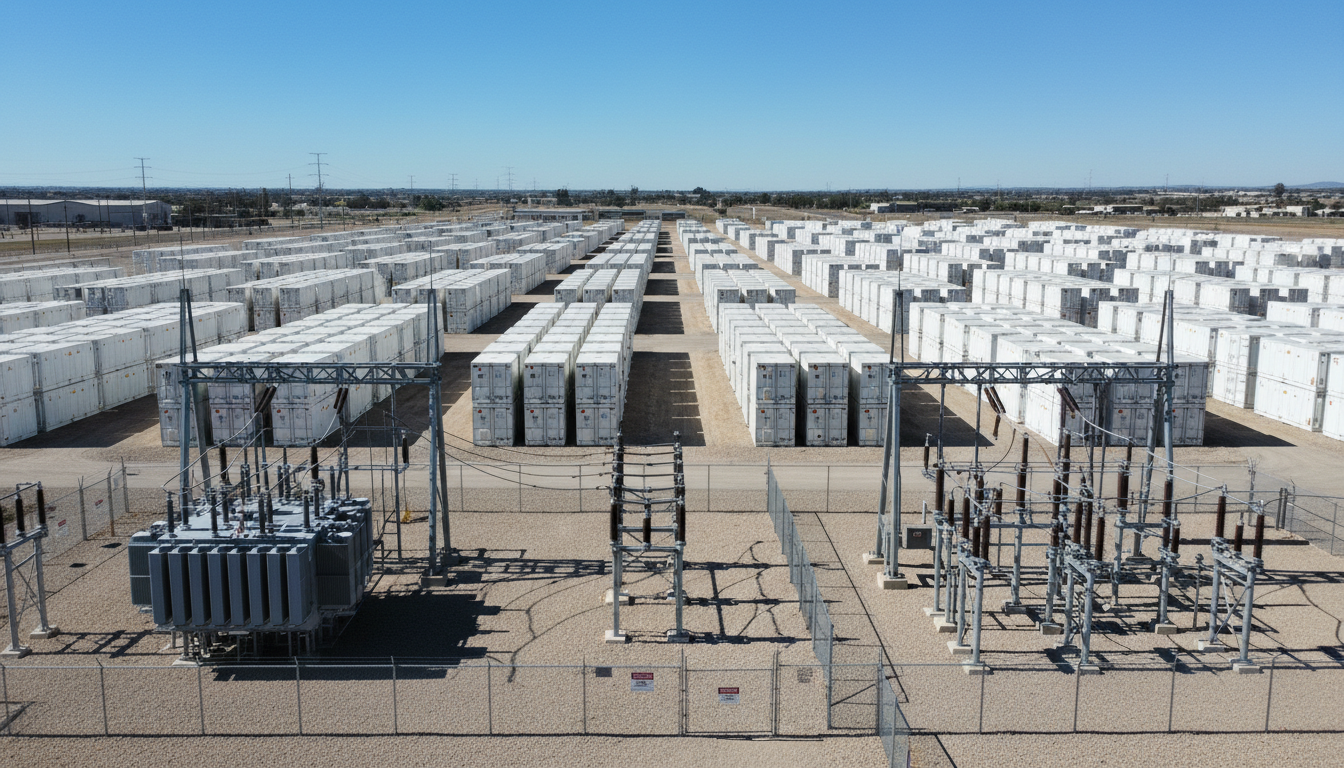
Utility-scale battery energy storage, a key solution for stabilizing the power grid, is an essential component in diversifying and future-proofing the U.S. energy landscape. The American Clean Power Association (ACP) projects that grid-scale storage installations will grow at an impressive rate of 32% annually through 2028, reaching a total capacity of 62 gigawatts — enough energy to supply uninterrupted electricity to more than 10 million homes.
Utility-scale ESS installations can store hundreds of megawatt-hours of electricity and discharge it over several hours. These systems help balance supply and demand across entire regions, reduce the need for expensive peaker plants, and support the integration of large-scale renewable energy projects like wind and solar farms.
Microgrids and Off-Grid Systems
Integration with microgrids—ESSs are being integrated into microgrids that supply a relatively small geographic area or customer base to provide some or all of the uses and benefits of electricity storage listed above. A microgrid ESS may be isolated from a larger grid, or it may be connected to a larger grid with automatic isolation (disconnect) from the larger grid during grid supply interruptions.
Microgrids are becoming popular in remote areas, military bases, university campuses, and communities that want energy independence. ESS plays a critical role in these setups by storing energy from local solar or wind sources and ensuring a reliable power supply even when disconnected from the main grid.
How to Understand Energy Storage Systems Safety Standards
Safety is a big deal when it comes to energy storage systems, especially battery-based systems that contain high levels of energy. Residential energy storage systems (ESS) using lithium-ion batteries can present safety challenges for homeowners and firefighters. That's why there are strict standards and codes in place to ensure these systems are installed and operated safely.
NFPA 855 and Fire Safety
NFPA 855, "Standard for the Installation of Energy Storage Systems", provides guidelines and requirements for the safe design, installation, operation, and maintenance of energy storage systems. The standard was developed by the National Fire Protection Association (NFPA), an organization that focuses on reducing the risk of fire and improving safety in a wide range of industries.
NFPA 855: Standard for the Installation of Stationary Energy Storage Systems (ESS), produced in updated form on a three-year cycle, provides minimum installation requirements for deployment of energy storage at residential, commercial, and industrial (C&I), and utility scales. Its recommendations are adopted by local authorities having jurisdiction (AHJs), various US states and are heavily referenced by other stakeholders, such as financiers and insurers. This standard covers everything from site selection and spacing requirements to fire detection, suppression systems, and emergency response planning.
UL 9540 and Testing Standards
For ESS, the standard is UL 9540, Standard for Energy Storage Systems and Equipment. UL 9540 covers the complete ESS, including battery system, power conversion system (PCS), and energy storage management system (ESMS). This certification ensures that the system has been tested for electrical safety, fire hazards, and overall performance.
The 2023 edition of NFPA 855 and the 2024 edition of the International Fire Code require fire and explosion testing to be conducted in certain situations. Both editions reference that such testing shall be conducted on a representative ESS in accordance with UL 9540A, the Standard for Test Method for Evaluating Thermal Runaway Fire Propagation in Battery Energy Storage Systems. These rigorous testing protocols help ensure that ESS installations are safe for homes, businesses, and communities.
Key Takeaways About ESS
Energy Storage Systems are more than just batteries. They're the backbone of our transition to a cleaner, more reliable energy future. Whether you're a homeowner looking to go solar, a business owner trying to cut costs, or a utility planning for the future, ESS has something to offer.
Here's what you need to remember:
ESS captures and stores energy for later use, balancing supply and demand on the grid.
Multiple technologies exist, from lithium-ion batteries to pumped hydro and thermal storage.
Benefits include grid stability, cost savings, renewable energy integration, and reduced emissions.
Applications range from residential solar-plus-storage to massive grid-scale installations.
Safety standards like NFPA 855 and UL 9540 ensure systems are installed and operated safely.
The future is promising, with falling costs, improving technology, and strong policy support.
As we move toward a more sustainable energy system, ESS will play an increasingly vital role. The technology is here, it's proven, and it's getting better every day. Now's the time to learn about it, embrace it, and make it work for you.
Frequently Asked Questions (FAQs)
What is ESS and how does it work? ESS stands for Energy Storage System, which captures excess energy (usually from renewable sources) and stores it for later use. The system charges when energy production is high and discharges when demand exceeds supply, helping balance the grid and reduce energy costs.
What are the main types of energy storage systems? The main types include Battery Energy Storage Systems (BESS) using lithium-ion or other chemistries, mechanical storage like pumped hydro and compressed air, thermal energy storage using heat or cold, and emerging technologies like solid-state batteries and hydrogen storage.
How much does a home energy storage system cost? Residential ESS costs vary widely depending on capacity, brand, and installation complexity. A typical home battery system (10-15 kWh) can range from $8,000 to $15,000 or more, including installation. However, federal tax credits and local incentives can significantly reduce the upfront cost.
Are energy storage systems safe for homes? Yes, when properly installed and maintained. Modern ESS units are designed with multiple safety features including thermal management, battery management systems, and fire suppression. They must meet strict safety standards like UL 9540 and NFPA 855 to ensure safe operation in residential settings.
Can energy storage systems work without solar panels? Absolutely. While ESS is often paired with solar panels, it can also charge from the grid during off-peak hours when electricity is cheaper and discharge during peak times. This practice, called energy arbitrage, can save money on electricity bills even without solar panels
Highstar attaches great importance to your personal privacy. When you visit our website, please agree to the use of all cookies. More information about the processing of personal data can be found at "Privacy Policy"


 Buy
Buy