Global Ambassador Program Battery Leaders: Building Tomorrow's Energy Workforce
Related Topics
Discover how global battery ambassador programs are shaping industry leaders, driving innovation, and building skilled workforces for the clean energy transition.
Follow us on
The battery industry is growing faster than ever, and with it comes a need for passionate leaders who can spread knowledge, build networks, and drive the clean energy revolution forward. Global ambassador programs are stepping up to fill this gap by connecting battery professionals, fostering collaboration, and creating pathways for the next generation of battery leaders. Whether you're in the U.S., Africa, or Asia, these programs are transforming how we approach energy storage and sustainable technology.
At Highstar, we're watching this movement closely. As a leader in battery technology, we see firsthand how ambassador programs create ripple effects across communities, industries, and entire economies. Let's dig into what these programs are all about, who they're helping, and how they're changing the game for battery innovation worldwide.
What Is a Global Ambassador Program for Battery Leaders?
Global battery ambassador programs aim to support skills enhancement, knowledge transfer and battery technology development for emerging economies. These initiatives bring together mid-career and senior professionals who are passionate about battery research, energy storage, and clean energy transitions. Ambassadors seek to foster collective efforts from all industries and collaboration between people within and at the boundaries between sectors to achieve global energy sustainability.
Think of battery ambassadors as connectors. They bridge the gap between cutting-edge research happening in labs and the real-world needs of communities that need reliable, affordable energy. Battery Ambassadors play a key role in gathering battery experts in their country to be part of this initiative. These folks aren't just talking heads—they're boots-on-the-ground leaders who organize workshops, attend conferences, and build networks that make battery tech accessible to more people.
Many programs focus on emerging economies where energy access is still a daily struggle. The ambition is that they would then build a network of battery specialists in their own countries, as we seek to build a wider battery network. This approach creates a multiplier effect, where one trained ambassador can spark change across an entire region. Whether it's promoting next-gen anode materials like silicon-graphite or sharing best practices on ternary lithium batteries, these programs make a real difference.
Battery Ambassadors in Emerging Economies
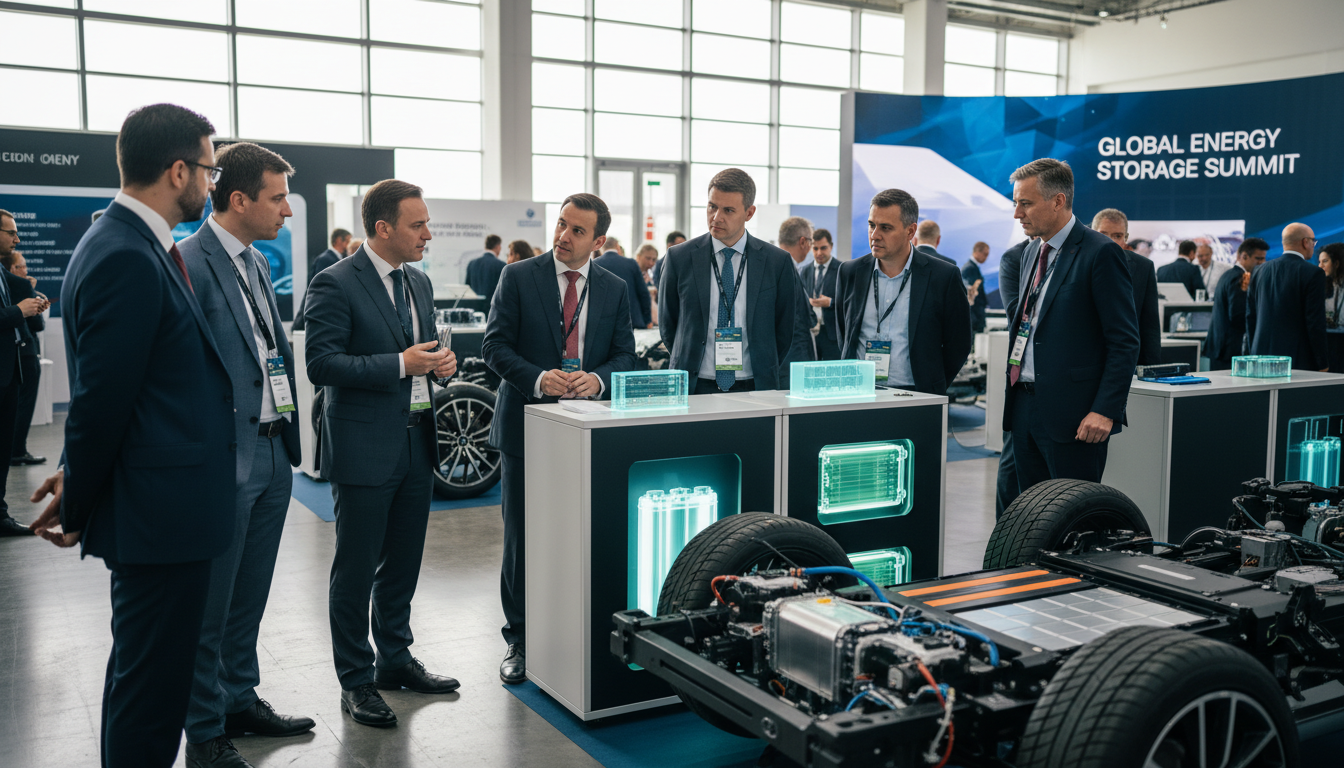
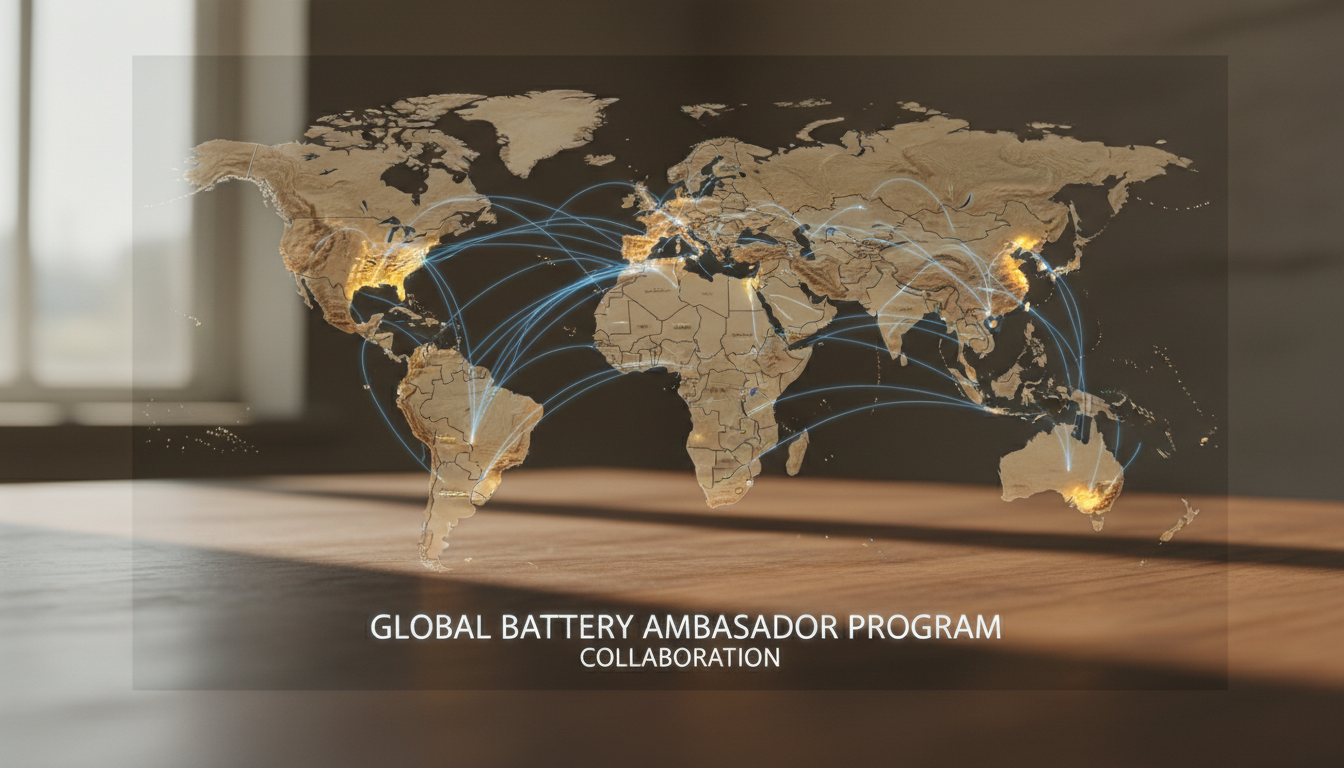
The Faraday Institution appointed a cohort of 13 Battery Ambassadors representing Bangladesh, Fiji, Ghana, Kenya, Malawi, Malaysia, Nepal, Nigeria, Pakistan, Rwanda, South Africa, Zambia and Zimbabwe, and these key representatives are being funded to attend conferences to network with the UK battery community and build collaborations. This represents one of the most ambitious efforts to democratize battery knowledge globally.
Why focus on emerging economies? Simple—these regions face the biggest energy challenges and have the most to gain from battery breakthroughs. Between 750-800 million people globally lack access to a reliable source of electricity, and battery energy storage can enhance the reliability of energy supply and maximise power availability from low-carbon, renewable energy sources. Ambassador programs help local experts understand new technologies, navigate complex supply chains, and tailor solutions to their unique needs.
Ambassadors from these countries work on everything from second-life batteries to electric vehicle adoption. Research focuses on utilisation and recycling of electric vehicle batteries, including working with ReLiB on second-life batteries and e-waste. They're not just learning—they're teaching their communities, advocating for policy changes, and pushing for local manufacturing capabilities that can create jobs and reduce costs.
Who Are Battery Leaders and What Do They Do?
Battery leaders come from all walks of life. Ambassadors can be selected from multi-disciplinary clean energy fields, including industry, government, and universities, and the cohort is made up of proactive and highly qualified women and men who are leaders in the clean energy field and champions of gender equality. We're talking about professors, engineers, entrepreneurs, and government officials—anyone with the skills and drive to make energy storage better for everyone.
What exactly do these leaders do? Ambassadors are given opportunities to attract, retain, and inspire the next generation of female leaders in the clean energy sector through public speaking engagements, serving as a role model, and championing careers of up-and-coming professionals in the field. They speak at conferences, mentor students, write research papers, and consult with policymakers. They also serve as vital feedback channels, telling manufacturers and researchers what's working on the ground and what needs improvement.
Many battery leaders also focus on workforce development. Programs create ecosystems of universities, community colleges, vocational and secondary schools as well as government, industry, labor, and non-profit partners, helping build and train a diverse domestic workforce and promote job creation for battery and EV technicians, electricians, skilled workers, and engineers. By training the next generation, these leaders ensure that battery innovation doesn't slow down when they retire.
Benefits of Ambassador Programs for the Battery Industry
So what's in it for the industry? Plenty. Ambassador programs create standardized knowledge that companies can rely on. National workforce strategy enables a rapid expansion of high-quality training and education programs in advanced battery manufacturing, and by facilitating upfront industry engagement and alignment, collaboration speeds up approval processes for new battery training programs and provides the foundation for national credentials. This means better-trained workers, fewer safety incidents, and higher-quality products hitting the market.
These programs also help companies tap into new markets. When ambassadors educate communities about battery benefits, demand grows. People start asking for solar+storage systems, electric buses, and backup power solutions. Companies that support ambassador programs often find themselves with ready-made customer bases and partnerships they couldn't have built on their own.
There's also the talent pipeline. Investments aim to train up to 14,000 workers through programs, creating a robust pipeline of skilled workers. For manufacturers scrambling to hire qualified technicians and engineers, ambassador programs are a godsend. They're essentially pre-training workers who understand battery fundamentals, safety protocols, and industry best practices before they ever walk through a factory door.
How to Become a Battery Ambassador
Interested in becoming an ambassador yourself? Most programs have a few basic requirements. Candidates should be mid to senior academics (scientists or engineers) working on or with a strong interest in battery technology or energy storage research. However, different programs have different focuses—some want industry veterans, others prefer academics, and some are open to passionate enthusiasts with strong community ties.
Programs look for individuals who support environmental causes, have a passion for adventure and living without limits, and are people who truly want to make a difference in the world. You don't need to be a PhD to make an impact. What matters more is your ability to communicate, build relationships, and stay committed to the mission. Many consumer battery companies run their own ambassador programs focused on lifestyle influencers and outdoor enthusiasts, while research institutions focus on academics and engineers.
The application process usually involves submitting your background, explaining your goals, and showing how you'll use the ambassador role to create change. Benefits include introductions to a wealth of subject specialists and industry partners, networking opportunities with research communities, and online webinar series on relevant topics delivered by experts. Some programs also offer travel grants, conference access, and direct mentorship from industry leaders.
Battery Workforce Challenge Programs
The U.S. Department of Energy unveiled its Battery Workforce Challenge Program, a comprehensive initiative aimed at bolstering the U.S. workforce in battery technology and electric vehicles, managed by Argonne National Laboratory and setting up regional workforce training hubs across the nation. These programs go beyond traditional ambassador roles by creating hands-on learning experiences for students and workers.
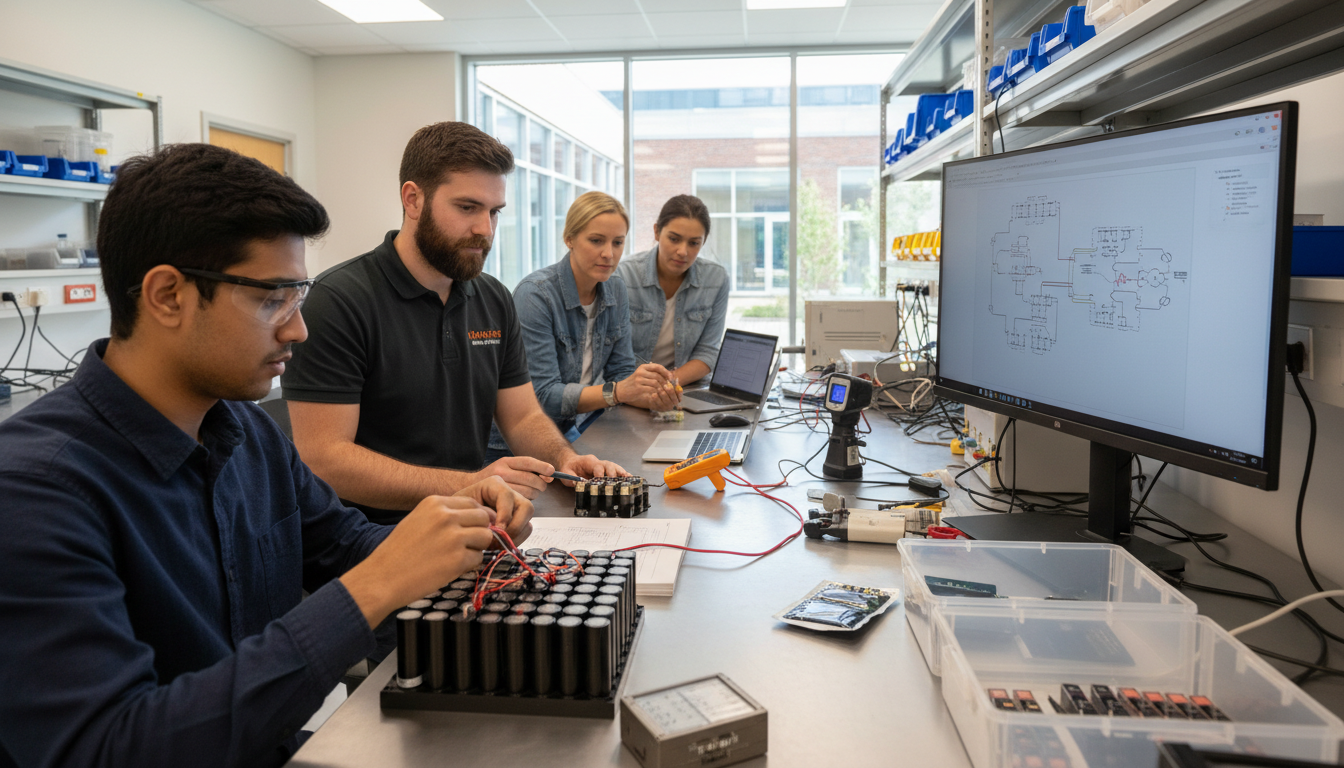
Schools follow industry design and development processes focused on battery design, simulation, controls development, testing, vehicle integration and demonstration throughout three-year competitions, and students design custom battery packs utilizing production battery cells and complete professional battery design reviews with subject-matter experts. This isn't classroom theory—it's real engineering work that prepares students for actual industry jobs.
The impact is already showing. Clean energy jobs grew by 4.2% in 2023, adding 142,000 new jobs—more than double the growth rate of the overall US workforce, and these jobs accounted for 56% of new energy sector jobs. Programs like these are a big reason why. They're creating a workforce that can actually do the work the industry needs, not just talk about it.
Real-World Impact: Success Stories from Battery Ambassadors
The proof is in the results. Research projects representing investments of £610k progress the development of improved and lower cost battery technologies tailored for deployment in emerging economies. Ambassadors are directly involved in projects testing sodium-ion batteries in Africa, developing flow batteries for microgrids, and creating localized battery assembly facilities that provide jobs and reduce import costs.
One standout example involves flow battery technology. Studies found that liquid flow batteries can achieve cost savings of 20-50% over lithium-ion and lead acid chemistries when used in micro grids. Battery ambassadors were key to making these field tests happen—they identified communities that needed the technology, helped navigate local regulations, and educated users on proper maintenance.
In workforce development, the numbers speak for themselves. Public and private sponsors invest $23.6M in financial and in-kind support to train over 14,000 workers. These aren't just statistics—they're real people getting real skills that lead to real jobs. Many of these workers wouldn't have access to battery training without ambassador-led programs bringing resources to their communities.
FAQs
What qualifications do you need to become a battery ambassador?
Most programs require mid-to-senior level experience in battery research, engineering, or related fields. Some consumer-focused programs accept passionate enthusiasts with strong social media presence or community influence. Key qualities include communication skills, commitment to sustainability, and ability to build networks.
Do battery ambassador programs pay participants?
It varies by program. Academic and research-focused programs often provide travel grants, conference access, and networking opportunities rather than direct payment. Consumer battery brand ambassador programs may offer product sponsorships, commissions, or discounts. Government workforce programs typically provide training and certification rather than compensation.
How long do battery ambassador programs last?
Most formal programs run for 1-2 years with options to renew. Some workforce training programs are multi-year commitments, while brand ambassador relationships may be ongoing as long as both parties find value. Time commitments range from a few hours monthly to more intensive involvement during conferences or training events.
Can battery ambassadors work across multiple countries?
Yes! Many global programs specifically encourage cross-border collaboration. Ambassadors often attend international conferences, participate in virtual networks spanning continents, and share knowledge across regions. The goal is building a global battery community, not siloed national efforts.
What's the difference between battery workforce programs and ambassador programs?
Workforce programs focus on training workers for specific battery industry jobs through hands-on education, apprenticeships, and credentials. Ambassador programs emphasize knowledge sharing, networking, and advocacy to build broader awareness and capability. Many initiatives combine both elements to create comprehensive ecosystem development.
Highstar attaches great importance to your personal privacy. When you visit our website, please agree to the use of all cookies. More information about the processing of personal data can be found at "Privacy Policy"


 Buy
Buy