Solid Electrolyte: The Game-Changing Technology Behind Safer Batteries
Related Topics
Discover how solid electrolyte technology is transforming battery safety and performance. Learn about types, benefits, and real-world applications in EVs and beyond.
Follow us on
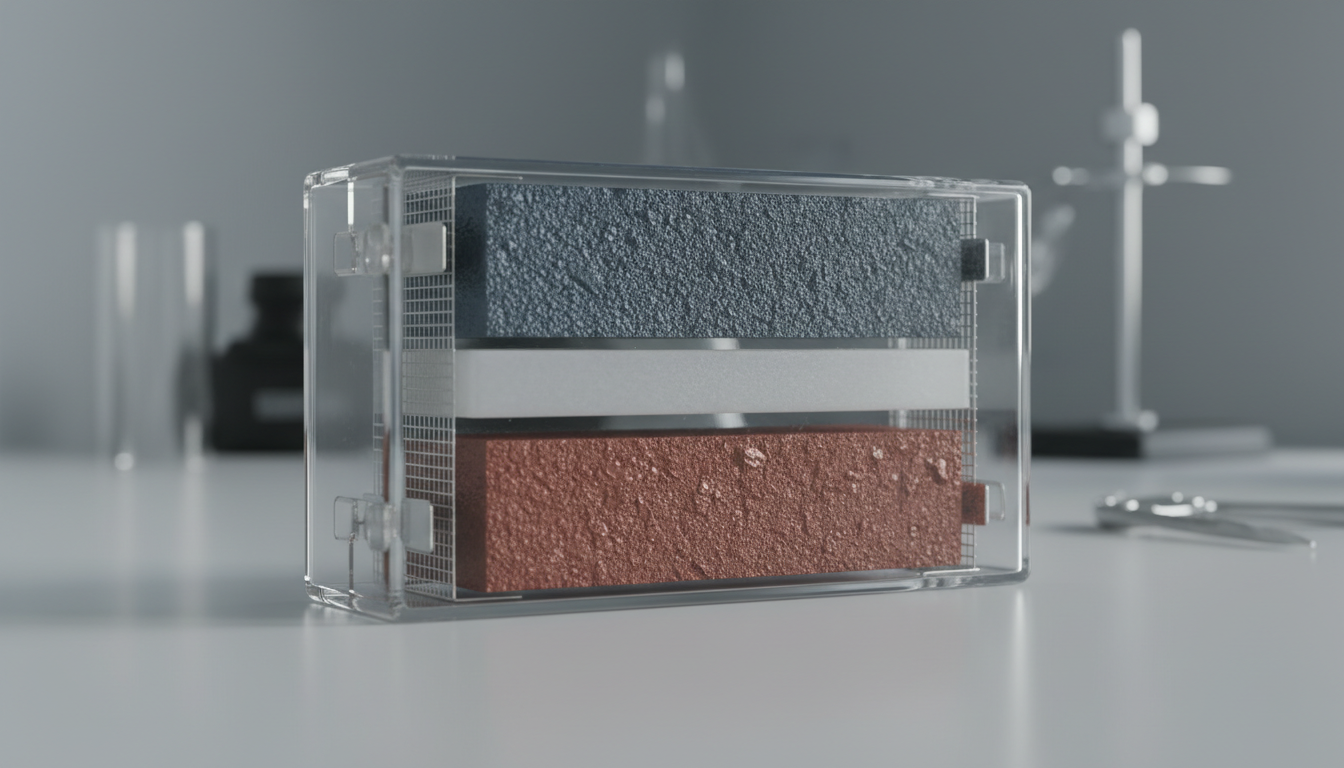
Battery fires have made headlines for years, and there's a good reason why. Traditional liquid electrolytes are flammable, volatile, and pose safety risks. But what if we could replace them with something safer? That's where solid electrolyte technology comes in. A solid-state electrolyte is a solid ionic conductor and electron-insulating material that's become the characteristic component of solid-state batteries. Think of it as swapping out the liquid inside your battery for something that won't catch fire, leak, or degrade as quickly.
We're seeing this technology move from labs to real products. Toyota announced a partnership with Idemitsu Kosan to produce solid-state batteries for their electric vehicles starting in 2028, while Factorial Energy opened a battery manufacturing facility in Massachusetts and began shipping cells to Mercedes-Benz. But beyond the hype, what makes solid electrolytes different, and are they ready to replace what we use today?
What Makes Solid Electrolyte Different
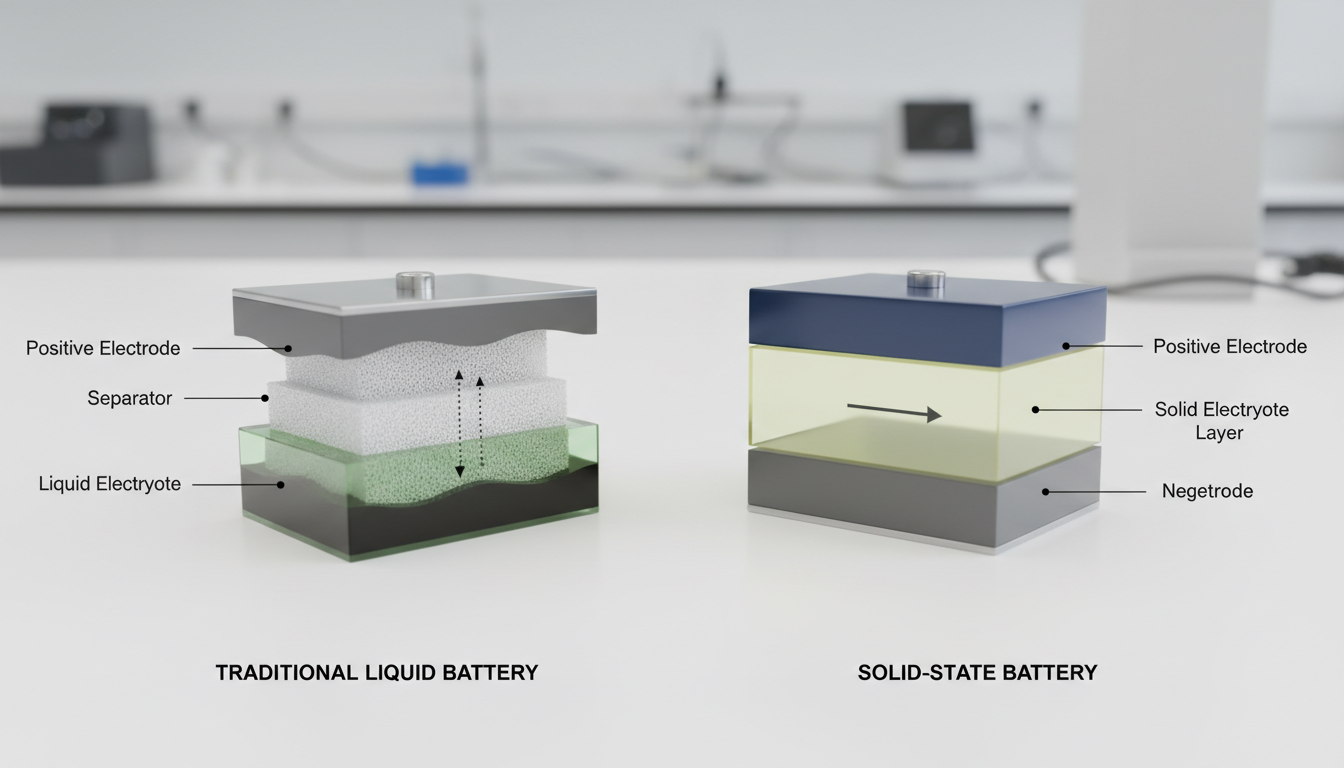
Solid-state batteries use a solid electrolyte to conduct ions between electrodes, instead of liquid or gel polymer electrolytes found in conventional batteries. The change sounds simple, but the impact is huge. In regular lithium-ion batteries, the separator is totally submerged in liquid electrolyte which becomes the medium through which lithium ions move between cathode and anode. With solid electrolytes, the material itself acts as both the separator and the ion conductor.
This dual function simplifies battery design. It's possible to fabricate an ultrathin film or layered battery because solid electrolytes simultaneously serve as an electrolyte and a separator. No more worrying about liquid leaking or the separator failing. The solid electrolyte acts as an ideal separator that allows only lithium ions to pass through, blocking electrons and preventing short circuits.
Types of Solid Electrolyte Materials
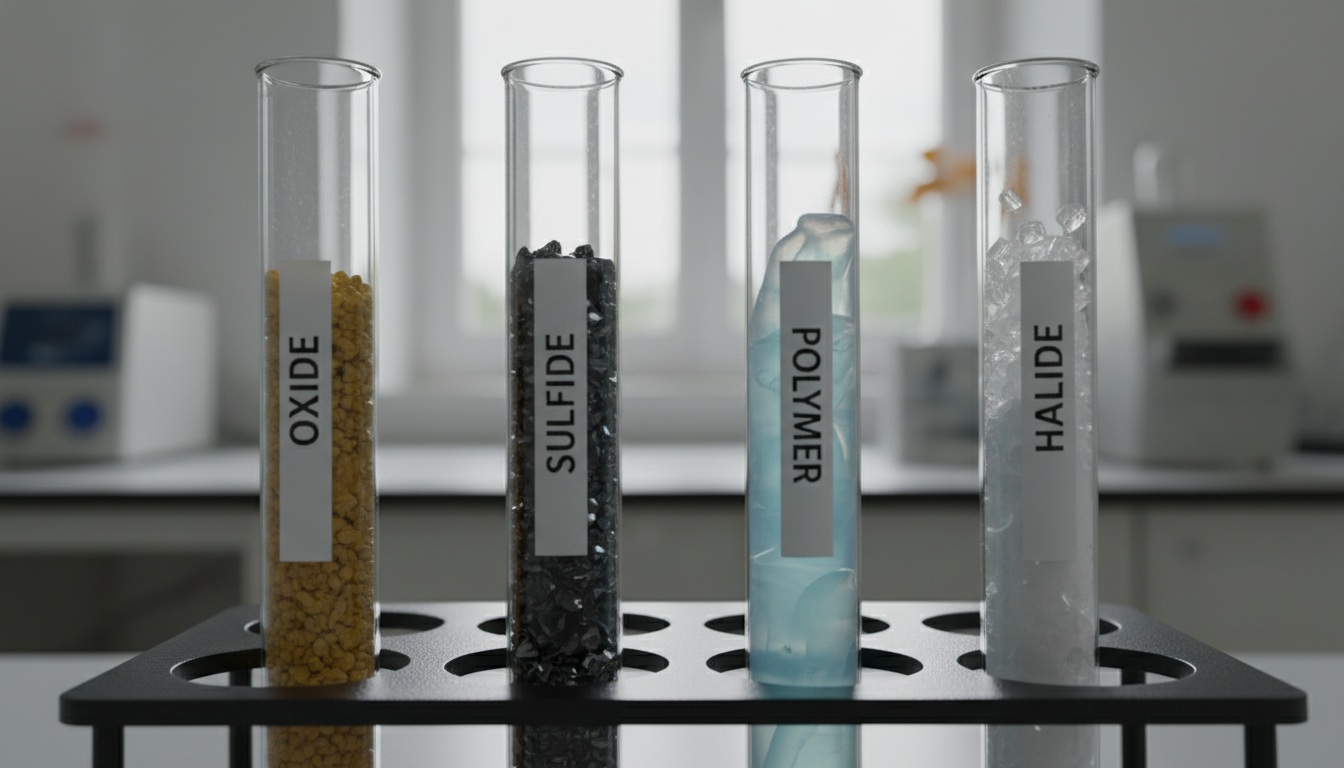
Material types can be divided into four categories: oxides, sulfides, polymers, and halides. Each type brings different strengths to the table, and none is perfect for every application.
Oxide electrolytes include materials like garnet-type Li7La3Zr2O12 (LLZO) which has high ionic conductivity (10^-3 to 10^-4 S/cm) and good chemical stability against Li metal. They have the best electrochemical stability, mechanical stability and thermal stability, and can be adapted to high-voltage cathode materials and metal lithium anodes. The downside? Room temperature ionic conductivity is low, poor contact with solid-solid interfaces, and they're usually thick (>200μm), which greatly reduces volume energy density.
Sulfide electrolytes are the speed demons. They have high room temperature conductivity close to that of liquid electrolytes (10^-4 to 10^-2 S/cm), moderate hardness, and good mechanical properties. But here's the catch: they have poor interface stability with electrodes and are very sensitive to moisture—they can react with trace water in air and release toxic hydrogen sulfide gas. The sulfide route offers high ionic conductivity but is sensitive to humidity and has poor stability.
Polymer electrolytes are the flexible option. They're defined as solvent-free salt solution in a polymer host material that conducts ions through polymer chains and are much easier to process than inorganic solid electrolytes. They offer good safety, flexibility, and interface contact, and are easy to form film. The problem? Ionic conductivity is very low at room temperature and thermal stability is poor.
Halide electrolytes are the new kids on the block. They have low electronic resistance, high ion selectivity, and high reduction stability. But they're still in the laboratory stage with poor chemical stability and oxidative stability, and have high ion resistance.
Key Advantages Over Liquid Electrolytes
Safety tops the list. Solid electrolytes are basically incombustible and have much higher safety than batteries with an organic electrolyte. Solid electrolytes greatly reduce the risk of thermal runaway, and because most are nonflammable, solid-state batteries have a much lower fire risk. We've linked to our guide on all-solid-state battery technology for more details on safety benefits.
This shift not only improves battery safety but also opens the door for higher energy density. Why? Solid electrolytes are compatible with lithium metal anodes, and lithium metal boasts a much higher theoretical capacity than graphite, enabling batteries with significantly more energy packed into the same size. For electric vehicles, this could mean longer range. For portable electronics, extended lifespans.
There's no risk of electrolyte leakage, which is a common problem of liquid electrolyte batteries. Solid electrolyte systems are more stable than liquid electrolyte systems, especially aqueous electrolyte systems, offering better shelf life. And solid electrolytes enable a broader range of operating temperatures and voltages—they can operate at temperatures above 60°C while traditional batteries generally only operate from -20 to 60°C.
Current Challenges and Limitations
Let's be real—solid electrolytes aren't perfect. One major disadvantage is low ionic conductivity at ambient temperature, more than one order of magnitude lower than organic electrolytes. This affects how fast batteries can charge and discharge.
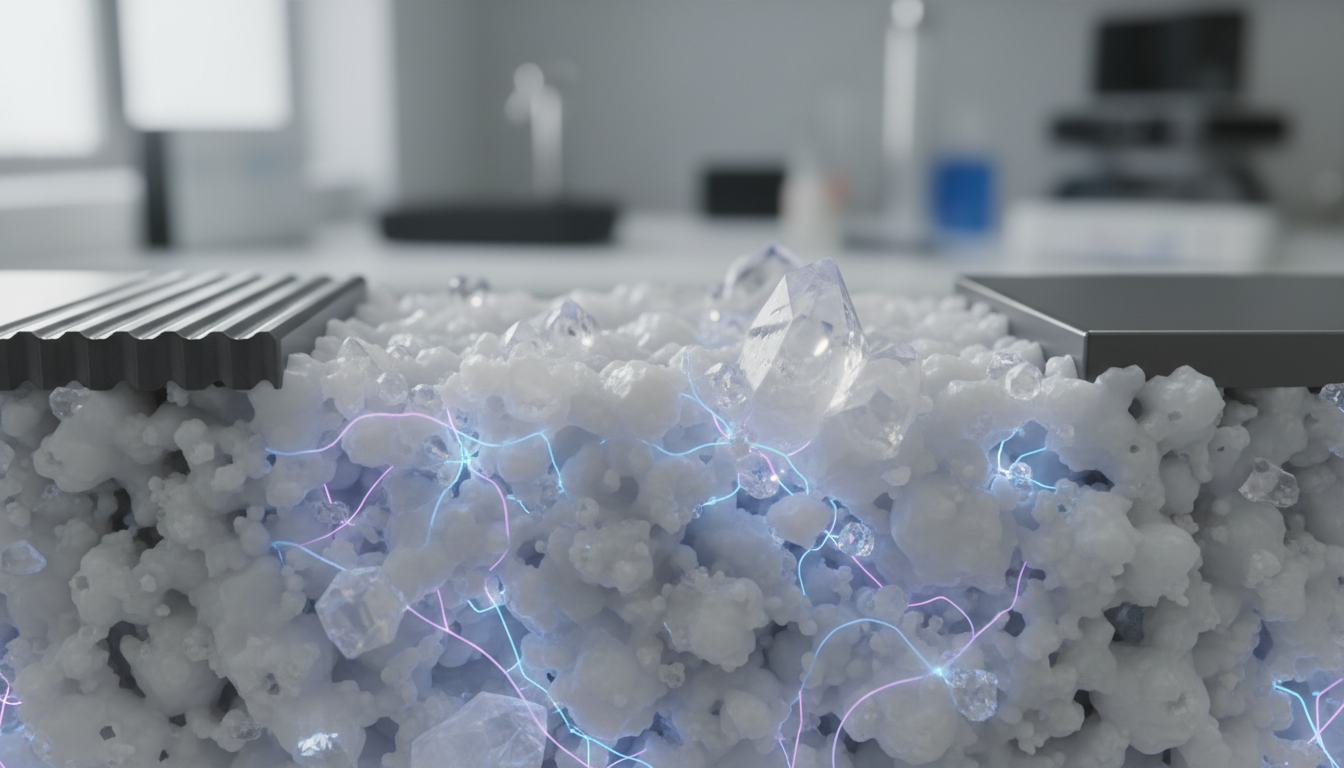
Solid-state batteries with inorganic electrolytes often deliver lower-than-expected performance caused by poor interfacial contact between electrolyte and electrode. Getting solid materials to touch properly isn't easy. Ensuring stable and low-resistance interfaces between the solid electrolyte and electrodes is crucial. Problems include lithium dendrite formation that can short-circuit batteries and chemical reactions at interfaces that degrade electrolyte and reduce battery life.
Then there's cost. New production methods are being developed to deposit electrolyte at a third of the cost of cheapest currently available compounds, which would lower the price of solid-state batteries significantly. But we're not there yet. Manufacturing at scale remains a hurdle, with materials currently expensive and not available in large quantities—sulfide electrolytes cost five times that of liquid electrolytes and will require 100,000 metric tons of sulfide production plus dedicated recycling systems to bring costs down.
Real-World Applications and Market Outlook
Where are we actually using solid electrolytes today? Solid-state batteries are found in pacemakers and in RFID and wearable devices. Small-scale applications where safety matters most and cost is less of a concern.
For electric vehicles, the timeline is getting clearer. Major automakers including Toyota, Honda, and Mercedes-Benz have committed to solid state battery deployment between 2027-2030, with Toyota's aggressive 2027-2028 target representing the most ambitious commercial timeline. The industry generally believes solid-state batteries will develop progressively along the path of semi-solid → quasi-solid → all-solid, with small-scale installation trials expected by end of 2025 and widespread trials from 2026-2027.
We manufacture ternary lithium batteries and offer both pouch cells and cylindrical cells as we monitor solid electrolyte developments. Market forecasts suggest oxide and sulfide electrolyte-based solid-state batteries will emerge onto the market between 2025 and 2030, with total capacity estimated at 15-40 GWh in 2030 and 55-120 GWh in 2035—still relatively small compared to the overall lithium-ion battery market.
Currently, multiple electrolyte routes exist including sulfide, oxide, and polymer, each with advantages and disadvantages—in the future, a situation with multiple routes coexisting for different application scenarios is likely. No single winner has emerged yet.
Future Outlook and Development Trends
It's not yet clear which electrolyte variant will dominate—although polymers are the most widely used systems today, the advantages of solid-state batteries cannot be fully exploited due to poor ionic conductivity at room temperature and the heating that's therefore required.
Oxide and sulfide electrolytes are both still further away from commercialization, but their potential properties could lead to polymer electrolytes being displaced in the medium term. Oxide electrolytes are particularly promising due to their operation at ambient temperatures, but interface problems need to be resolved and inexpensive production processes developed before commercialization.
The path forward involves balancing multiple factors. While advantages are compelling—higher energy density, improved safety, faster charging, and extended lifespan—significant challenges remain before widespread commercialization, with success depending on overcoming technical challenges including interfacial resistance, manufacturing scalability, and cost reduction.
Conclusion
Solid electrolyte technology represents a real shift in how we build batteries, offering better safety, longer operating temperature ranges, and the potential for higher energy density. We've moved past the pure research phase—companies are building manufacturing facilities and setting production timelines between 2027 and 2030.
But challenges remain. Ionic conductivity at room temperature lags behind liquid electrolytes. Interface engineering needs work. Manufacturing costs are high, and no single material type has won out yet. The industry is taking a pragmatic approach, starting with semi-solid designs that mix solid and liquid elements before moving to all-solid configurations.
For applications where safety matters most—medical devices, premium electric vehicles, aerospace—solid electrolytes make sense today. For mass-market adoption, we're looking at the late 2020s at the earliest. The technology isn't perfect, but it's getting better. And in a world increasingly dependent on batteries, that progress matters.
Visit our main site to learn more about our current battery technologies and how we're preparing for the solid-state future.
FAQs
What is a solid electrolyte and how does it work?
A solid electrolyte is a solid material that conducts ions (like lithium ions) while blocking electrons. It replaces the flammable liquid found in traditional batteries. When a battery charges or discharges, lithium ions move through the solid material from one electrode to the other, creating electrical current. The solid structure acts as both the ion conductor and the physical separator between electrodes, simplifying battery design while improving safety.
Which type of solid electrolyte is best?
There's no single best option yet. Sulfide electrolytes offer the highest ionic conductivity but are sensitive to moisture and can release toxic gases. Oxide electrolytes provide excellent stability and safety but have lower conductivity and interface challenges. Polymer electrolytes are flexible and easy to manufacture but struggle with conductivity at room temperature. Halides show promise but are still in early development. The best choice depends on your specific application—safety requirements, operating temperature, cost constraints, and performance needs.
Are solid electrolyte batteries safer than lithium-ion batteries?
Yes, they're safer. Solid electrolytes are non-flammable and eliminate the risk of liquid leakage. They greatly reduce thermal runaway risks—the chain reaction that causes battery fires. Heat generation during thermal events is only 20-30% of what conventional batteries produce. They can't leak like liquid electrolytes, and they suppress lithium dendrite growth that can cause short circuits. However, semi-solid designs that still contain some liquid electrolyte don't eliminate fire risk completely.
When will solid electrolyte batteries be available commercially?
Timelines vary by application. Small solid-state batteries are already used in pacemakers and RFID devices. For electric vehicles, Toyota targets 2027-2028, while other major automakers aim for 2027-2030. Semi-solid batteries (which use both solid and liquid electrolytes) are entering the market now in premium vehicles. Full all-solid-state batteries for mass-market EVs will likely arrive in the late 2020s or early 2030s, once manufacturers solve cost and production challenges.
What are the main challenges facing solid electrolyte technology?
Four big hurdles remain. First, ionic conductivity at room temperature is lower than liquid electrolytes, affecting charging speed and power output. Second, getting good contact between solid electrolytes and solid electrodes is difficult—poor interfaces increase resistance and reduce performance. Third, manufacturing costs are high, with some solid electrolyte materials costing 5 times more than liquid alternatives. Fourth, production methods need to scale from laboratory to gigafactory levels, requiring new equipment and quality control processes that don't exist yet.
Highstar attaches great importance to your personal privacy. When you visit our website, please agree to the use of all cookies. More information about the processing of personal data can be found at "Privacy Policy"


 Buy
Buy